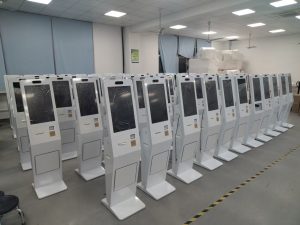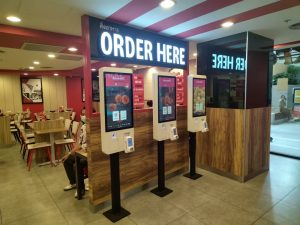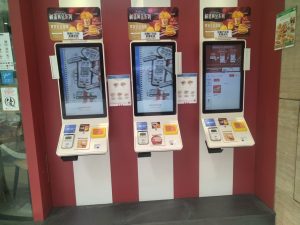
Self-service is most effective when it becomes one well-integrated option within the wider restaurant service model.
With the proposal of smart city and smart living initiatives, rapid technological development, intensifying competition, and rising guest expectations, traditional restaurant management can no longer meet the needs of restaurant businesses or user standards. A new smart-dining ecosystem that is more autonomous, personalized, convenient, and intelligent – an “connected digital” restaurant operating model – has emerged accordingly.
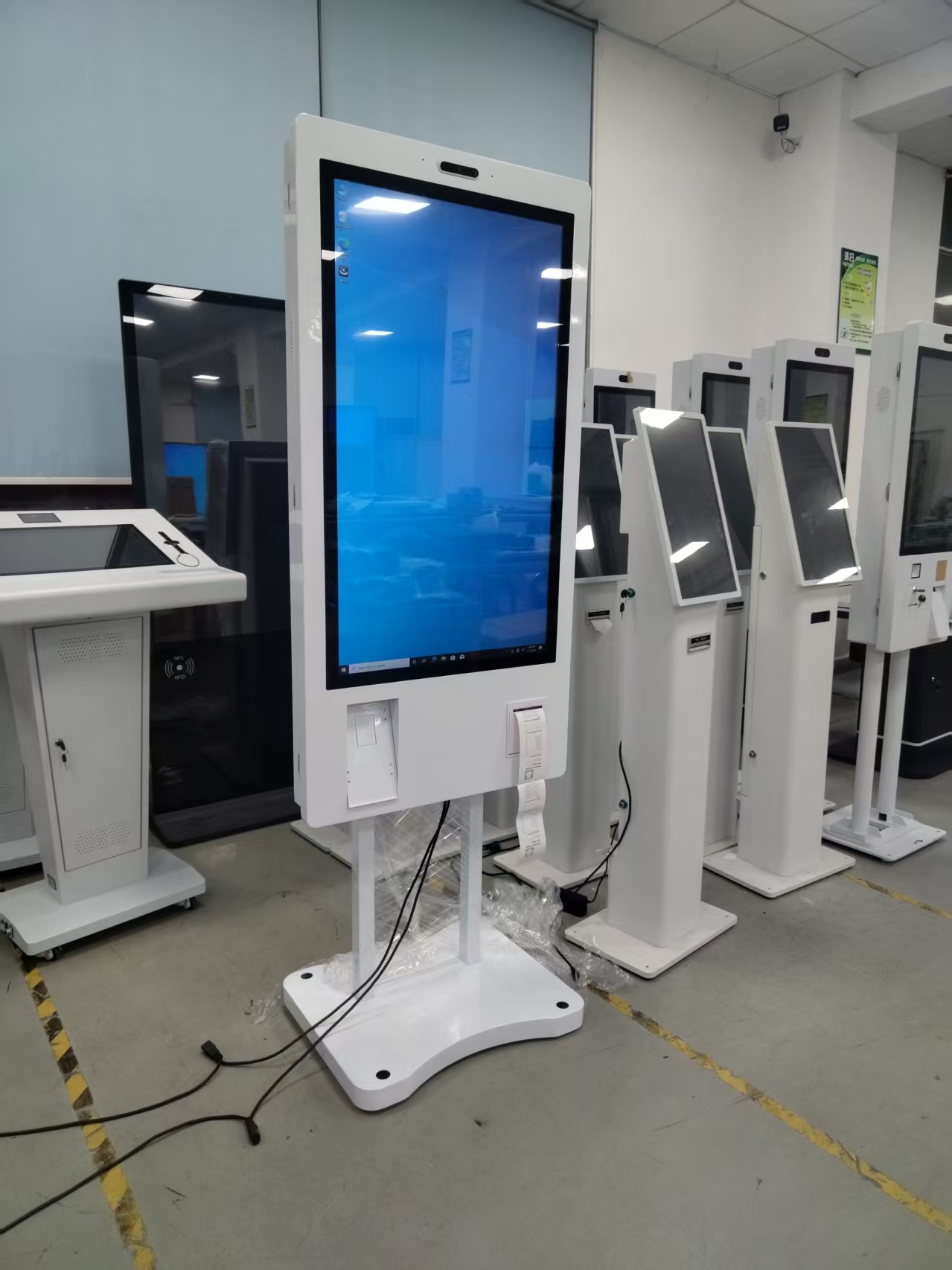
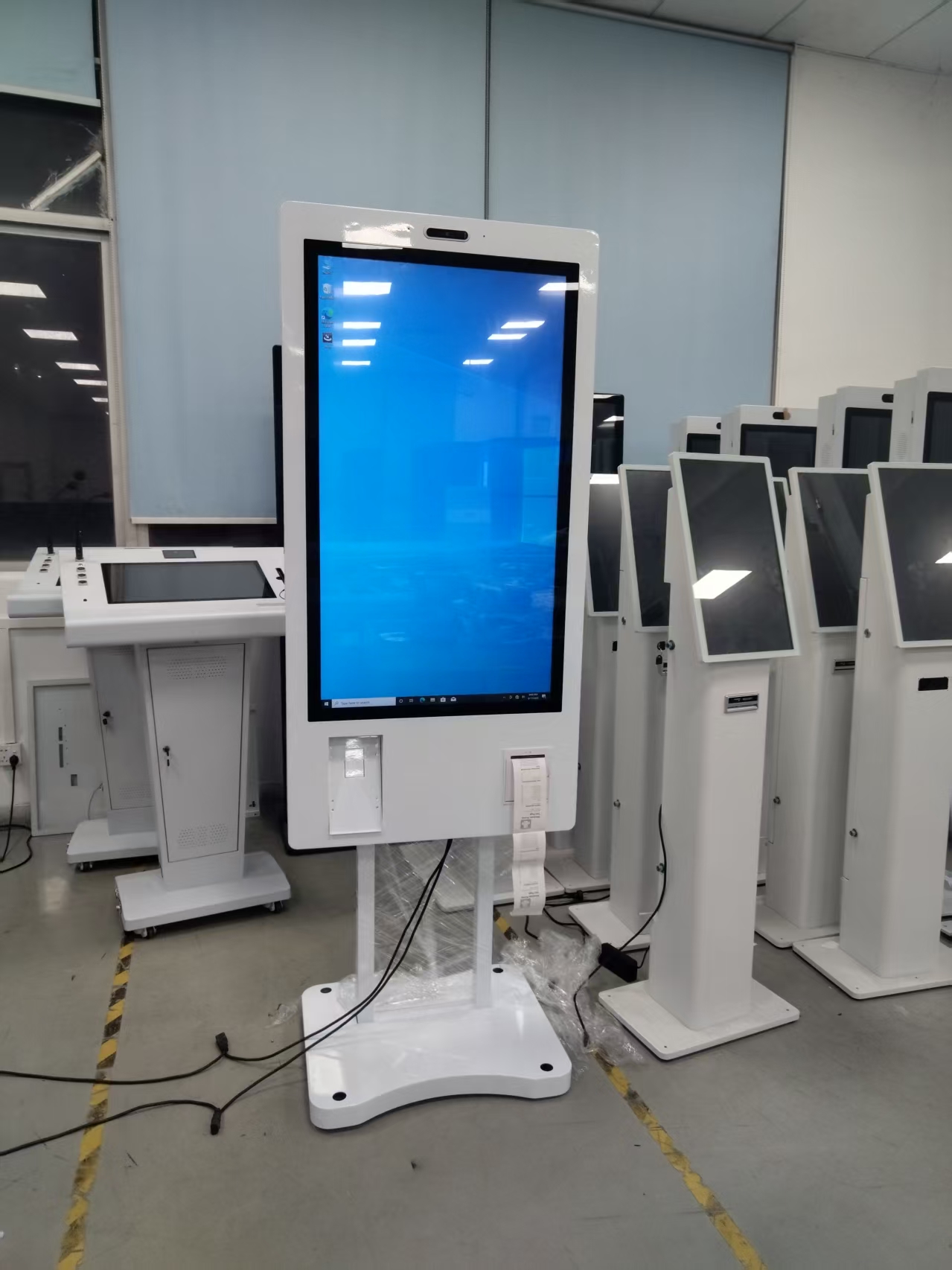
Many restaurants have already introduced self-ordering kiosks. The kiosk is convenient and easy to use: after ordering via the kiosk or their mobile phone, guests settle the bill with a mobile wallet or QR payment code; the kiosk prints a receipt while the kitchen simultaneously prints the order ticket, then the food is prepared and the number called – users simply pick up their meal with the ticket.
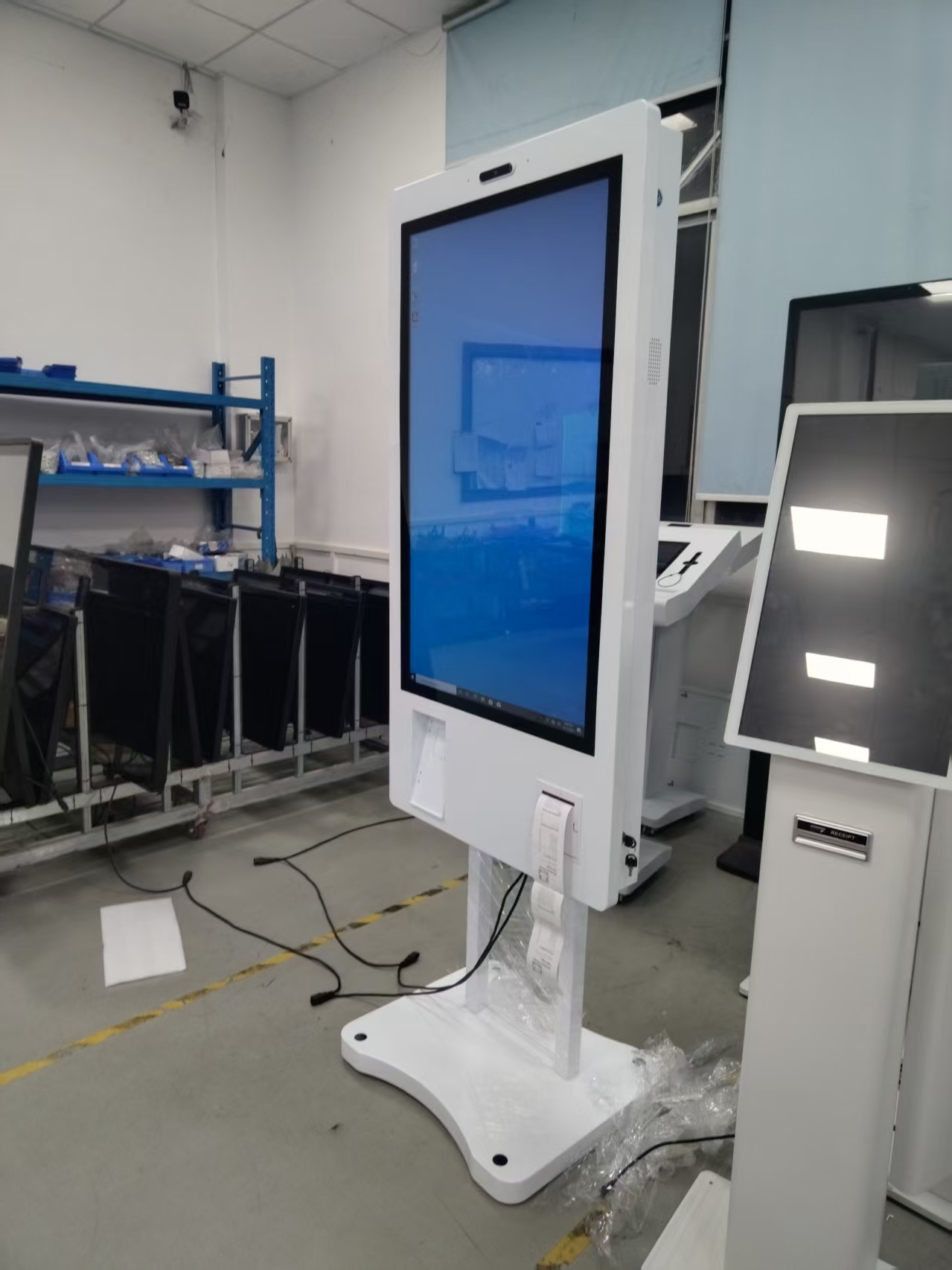
So what are the benefits of a self-ordering kiosk? For guests, consumption is freer and more autonomous – QR-code payment settles the bill quickly, reducing queuing time and better fitting the modern fast-paced lifestyle. For restaurant operators, it helps the restaurant reduce service staff, greatly saving the time costs of training and management; the “labor shortage” that plays out every holiday season will also be effectively eased, reducing hiring headaches. It shortens guests’ waiting time before and after meals while raising table turnover, reducing guest loss at peak hours, and reducing missed orders and walkouts. And when no one is ordering, the kiosk screen can even run advertisements – one machine, many uses.
How does the self-ordering kiosk achieve self-service? Beyond the kiosk’s own software, scanning hardware support is also required – and that scanning hardware is usually what we call the QR code scanning module.
It must be admitted that the traditional restaurant model is developing toward digitization, intelligence, and efficiency. Smart dining uses the “connected digital” mindset to organically combine online and offline operations management, greatly optimizing the business links of the traditional restaurant industry and making “providing mobile access to restaurant services” a reality.
Practical Conclusion
Smart restaurant self service can support digital menus, direct ordering and flexible payment while allowing staff to focus on assistance and hospitality. The final configuration should be verified against the real menu, transaction flow, installation space and support plan before deployment.
Deployment and Operating Checks
Planning for smart restaurant self service should begin with the actual service flow rather than a generic demonstration setup. Before launch, test the workflow associated with smart restaurant self service during realistic peak demand and confirm how staff will assist users. Documentation for smart restaurant self service should cover cleaning, updates, network recovery and peripheral checks. A deployment involving smart restaurant self service should pass consistent information to payment and back-office systems.
Explore related hardware configurations in the self-service kiosk product range.