

Put Digital Assistance Where Visitors Need It
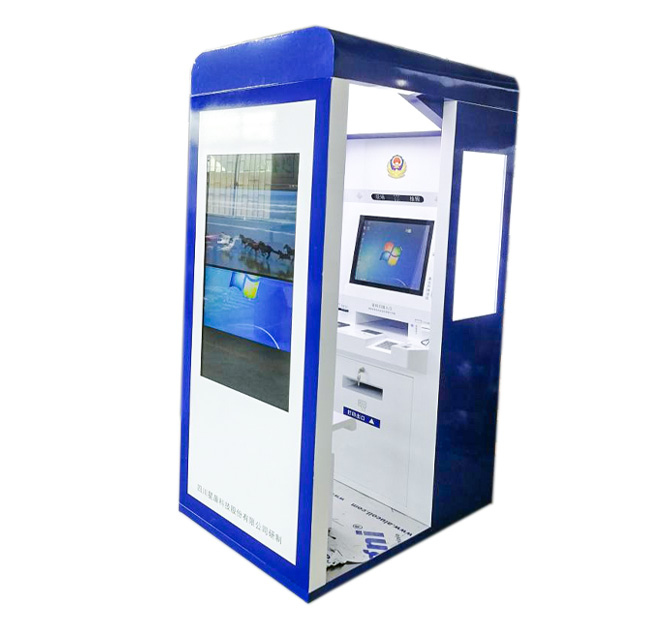
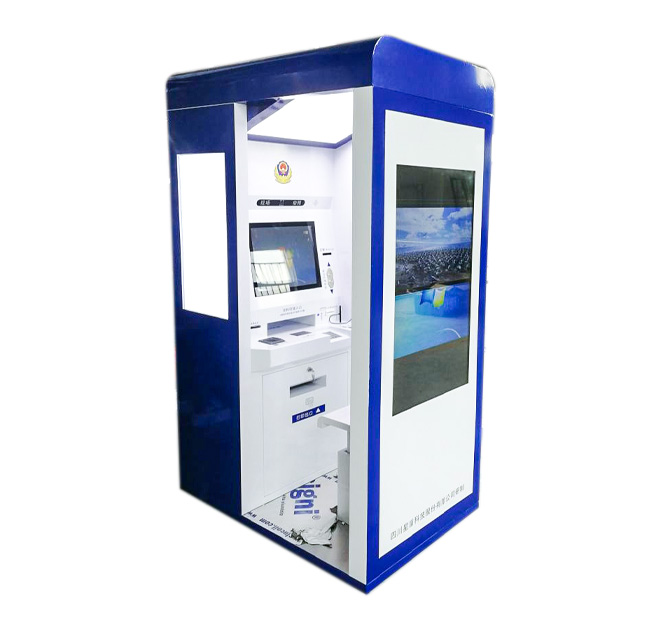
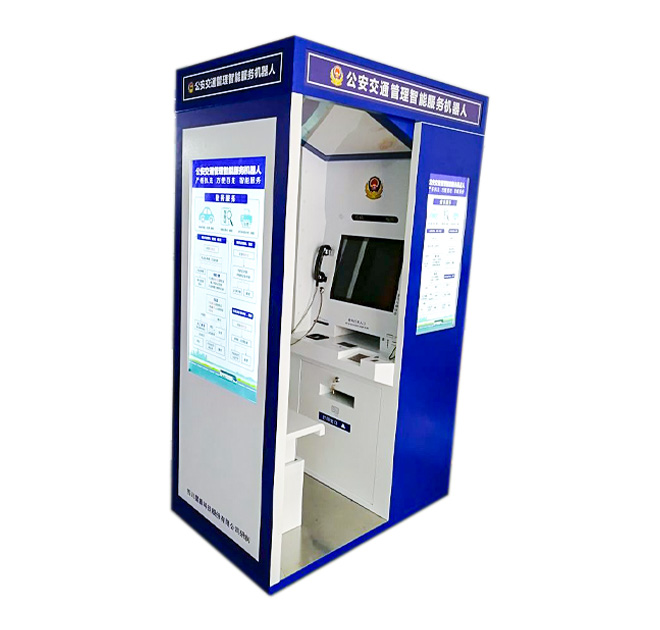
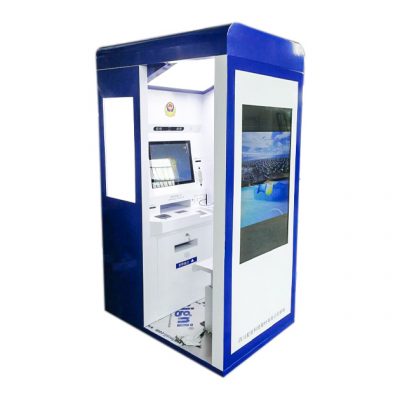
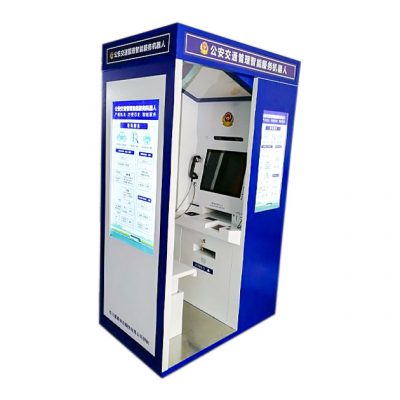
An AI self service terminal provides an approachable digital contact point for locations that receive repeated questions throughout the day. The enclosed full-height structure and large front display give the machine enough visual presence for reception areas, showrooms, transport facilities and public service halls. It can present an animated assistant, searchable information, wayfinding content or a guided service menu according to the software supplied for the project.
The machine is customizable hardware for an intelligent interaction solution. AI responses, speech recognition, knowledge-base access and analytics depend on the selected software and system integration. These functions should not be assumed from the enclosure alone. ZXTLCD can configure the display, computing platform and peripheral openings around confirmed program requirements.
From Welcome Screen to Completed Task
At a building entrance, the terminal can welcome visitors and direct them to departments, meeting rooms or service counters. In a retail showroom, it may explain product differences, play demonstrations and collect inquiry details. At an exhibition, it can provide a consistent brand introduction in several languages while staff concentrate on technical or commercial discussions.
The large touchscreen supports visual navigation with clear buttons, product images and step-by-step prompts. A well-designed interface keeps the most common tasks visible on the first screen and reserves deeper information for users who request it. When deployed as an AI self service terminal, voice or avatar functions can complement touch interaction, but a complete touch workflow remains useful in noisy venues and for visitors who prefer privacy.
Configured Around Software and Peripherals
Projects differ in processing load, connectivity and peripheral requirements. Android or Windows hardware can be considered when compatible with the customer application. Optional cameras, microphones, speakers, QR scanners, card readers or printers can be evaluated, but their presence and position must be confirmed before enclosure production. Because the current product has no published fixed screen size or computer specification, procurement teams should provide minimum performance requirements.
Service access matters during long-term operation. Internal components should remain reachable for maintenance without disturbing the public-facing finish. Ventilation, cable management, network access and mounting stability should be planned for the real environment. For multi-location deployment, buyers should also decide how content and software updates will be managed. A standardized internal layout and documented replacement procedure make it easier for local technicians to maintain several terminals consistently.
Applications Beyond a Conventional Robot
This self service terminal can support smart reception, hospital navigation, government information, shopping-mall directories, hotel guidance, campus services and corporate visitor management. It is also suitable for digital-human presentations where the content needs a human-like delivery style without requiring a staff member to remain beside the display throughout the day.
Before ordering, the project team should test screen readability, microphone pickup, speaker volume and user response time in conditions similar to the final venue. The quotation should separate the enclosure, display, computer and optional peripherals so replacements can be matched to the approved component list. Send the venue, software operating system, screen orientation, camera or audio functions, network method and branding files for a project-specific proposal.
Planning a Consistent Multi-Site Rollout
Organizations deploying several terminals should establish a standard software image, approved peripheral list and remote support process before production. Reception staff can document the questions visitors ask most often, then use those findings to improve the opening menu and knowledge content. Network teams should confirm whether devices connect through Ethernet, managed Wi-Fi or a protected local network. If cameras and microphones are included, privacy notices and data-retention policies must be handled by the solution owner. Spare displays, computers and input devices can be specified for sites where rapid recovery is important. A pilot installation should measure completion time, staff intervention and user comprehension before the same configuration is repeated across other locations.