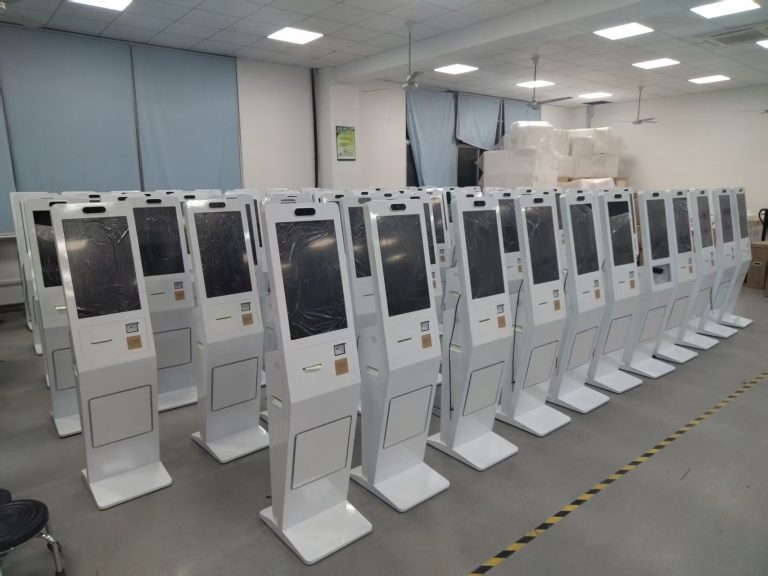
Software and peripheral errors are easier to manage when staff record symptoms and follow a consistent recovery procedure.
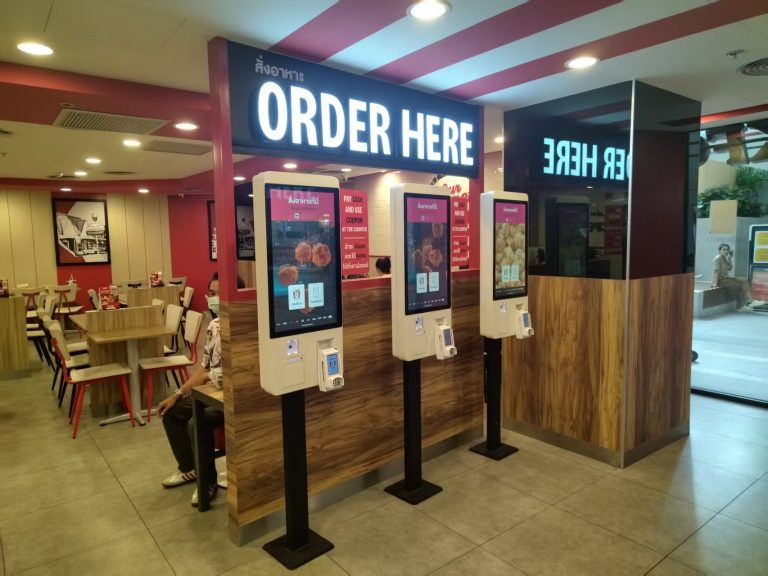
Modern self-ordering terminals do more than collect payment; they coordinate the full front-of-house transaction flow.
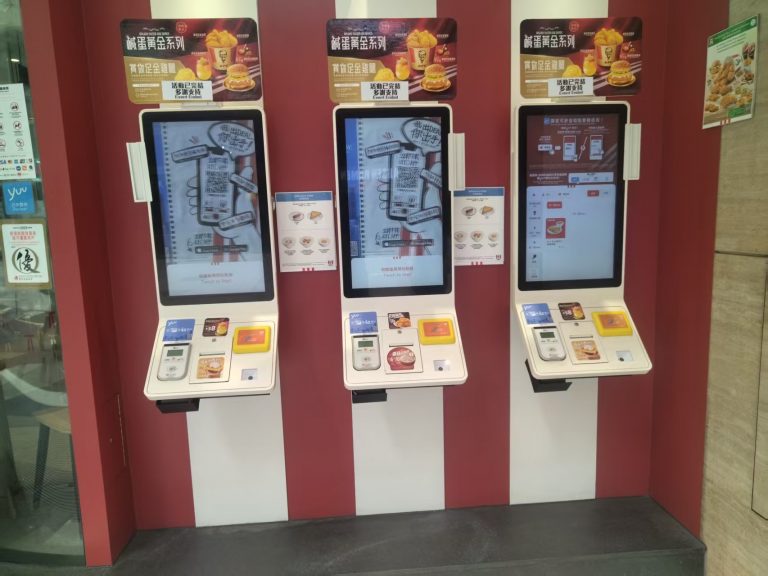
The right terminal depends on the transaction flow, product type, payment requirements and service environment rather than appearance alone.
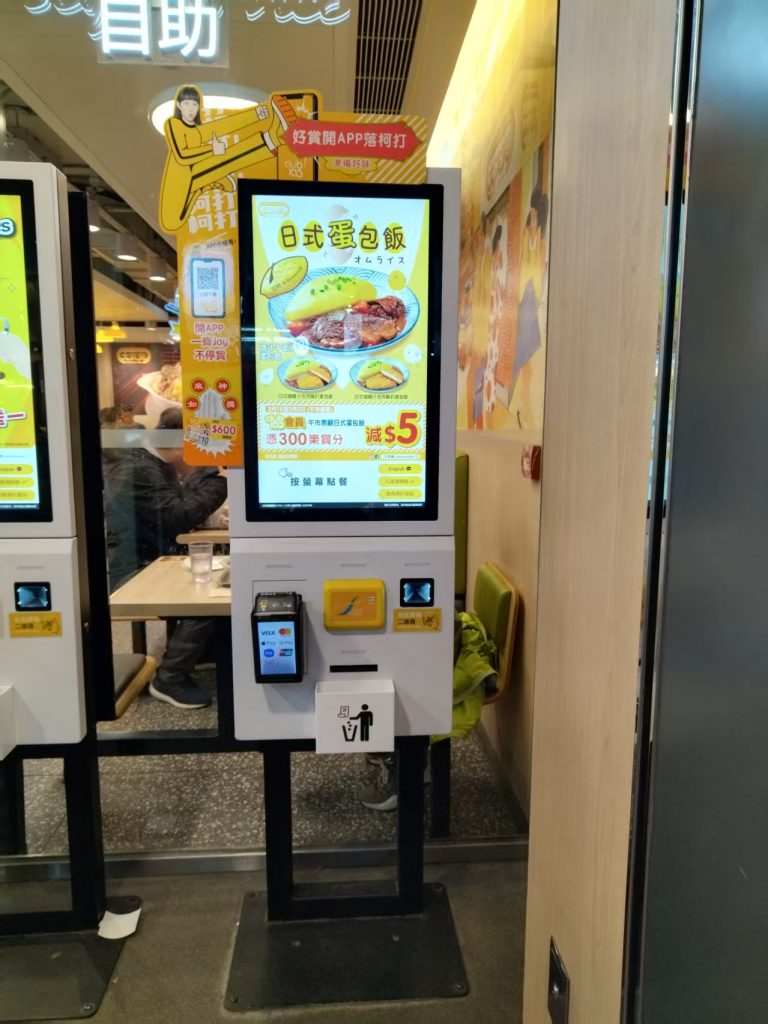
Different restaurant formats share basic ordering functions but require different screen layouts, peripherals and installation plans.
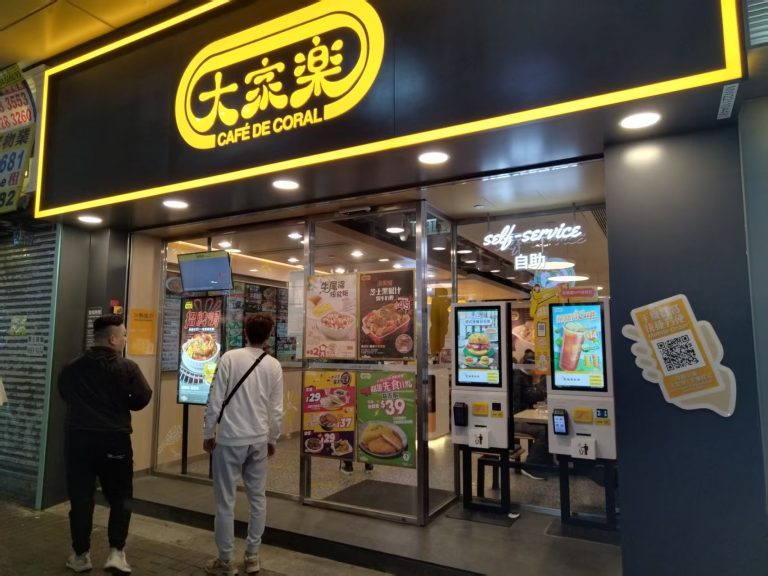
Cafeterias can improve peak-period flow when ordering, payment and meal pickup are planned as one connected process.
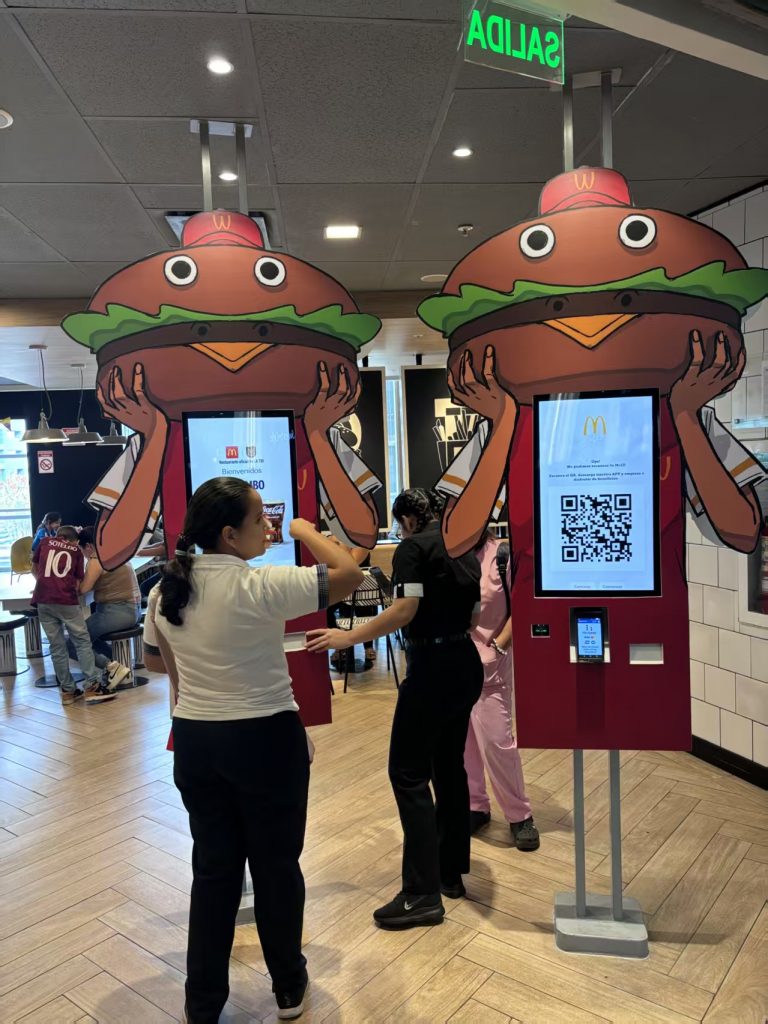
Four practical questions can show whether self-service will solve a real operating problem or simply add another device to manage.
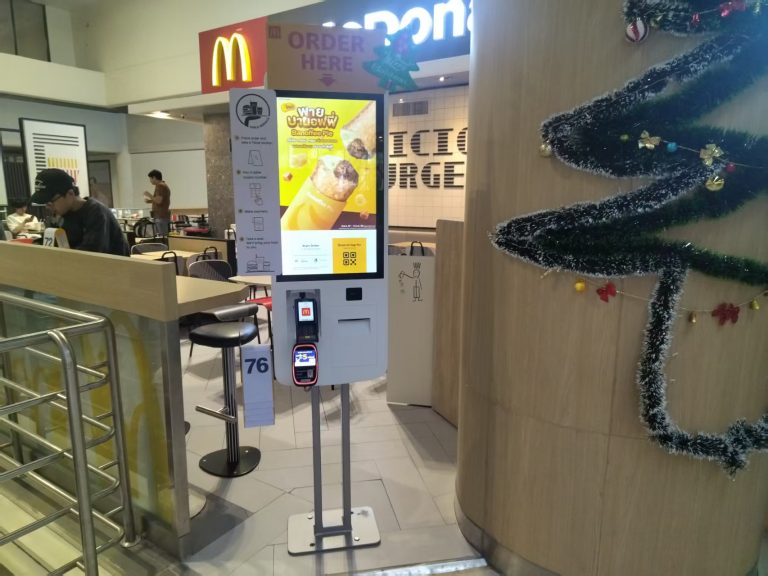
A restaurant POS combines hardware and management software, so selection should reflect the store's actual service and reporting needs.