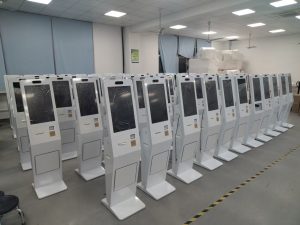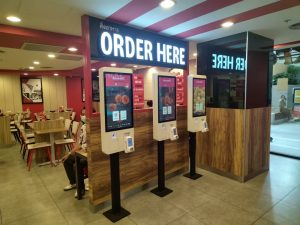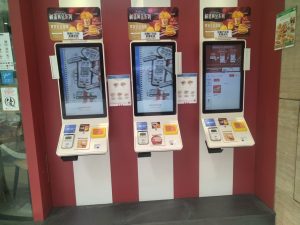
High foot traffic does not guarantee completed sales when queues, menu confusion and payment delays interrupt the ordering journey.
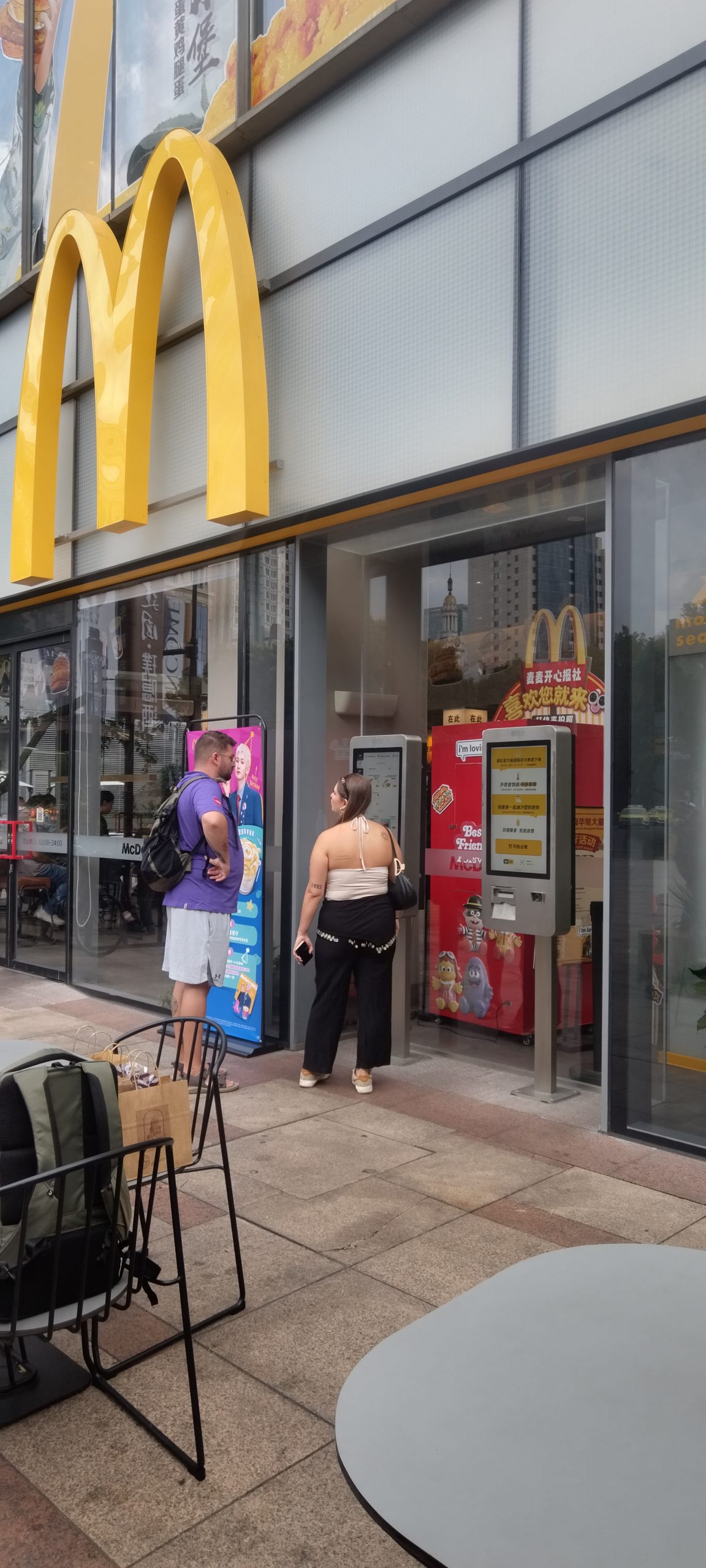
Most restaurant owners have experienced this frustrating moment: at mealtime the restaurant is packed, queues stretch out the door, and the place looks buzzing with guests – yet at the end of the day, the books show flat revenue and razor-thin profits. You clearly have no shortage of guests, so why can’t you retain sales or make money?
Many people mistakenly believe low revenue means insufficient foot traffic or poor food, so they go all-in on promotions, menu changes, and traffic-driving campaigns – while overlooking the most critical issue: your store’s ordering process is quietly eating away your profits.
For most restaurants, the profit leak is never a lack of guests – it is wasted traffic, dragged-down efficiency, and internal labor drain.
Today, let’s talk about how optimizing your ordering process can turn “empty foot traffic” into real, tangible revenue and profit.
Packed but not profitable? The problem lies in the ordering stage
Take a close look at your store’s peak hours and you’ll find that many hidden losses are buried in the traditional manual ordering process.
Many guests, few servers – ordering can’t keep pace
During lunch and dinner rushes, guests flood in while staff run off their feet – greeting guests, taking orders, running the register, verifying orders, and handling complaints. Guests stand at the door with no one to receive them, and after sitting down they wait endlessly to order. Their patience wears thin, and eventually they simply walk out. What looks like a bustling full house is actually a massive loss of foot traffic.
Manual ordering causes wrong and missed orders, silently draining profit
With staff stretched thin at peak hours, handwritten and verbal orders are error-prone – missed dishes, wrong dishes, and duplicate orders are common. Wrong orders mean comped meals and remakes, which waste ingredient costs, trigger guest dissatisfaction, damage the store’s reputation, and drive away repeat guests.
Slow ordering directly drags down table turnover
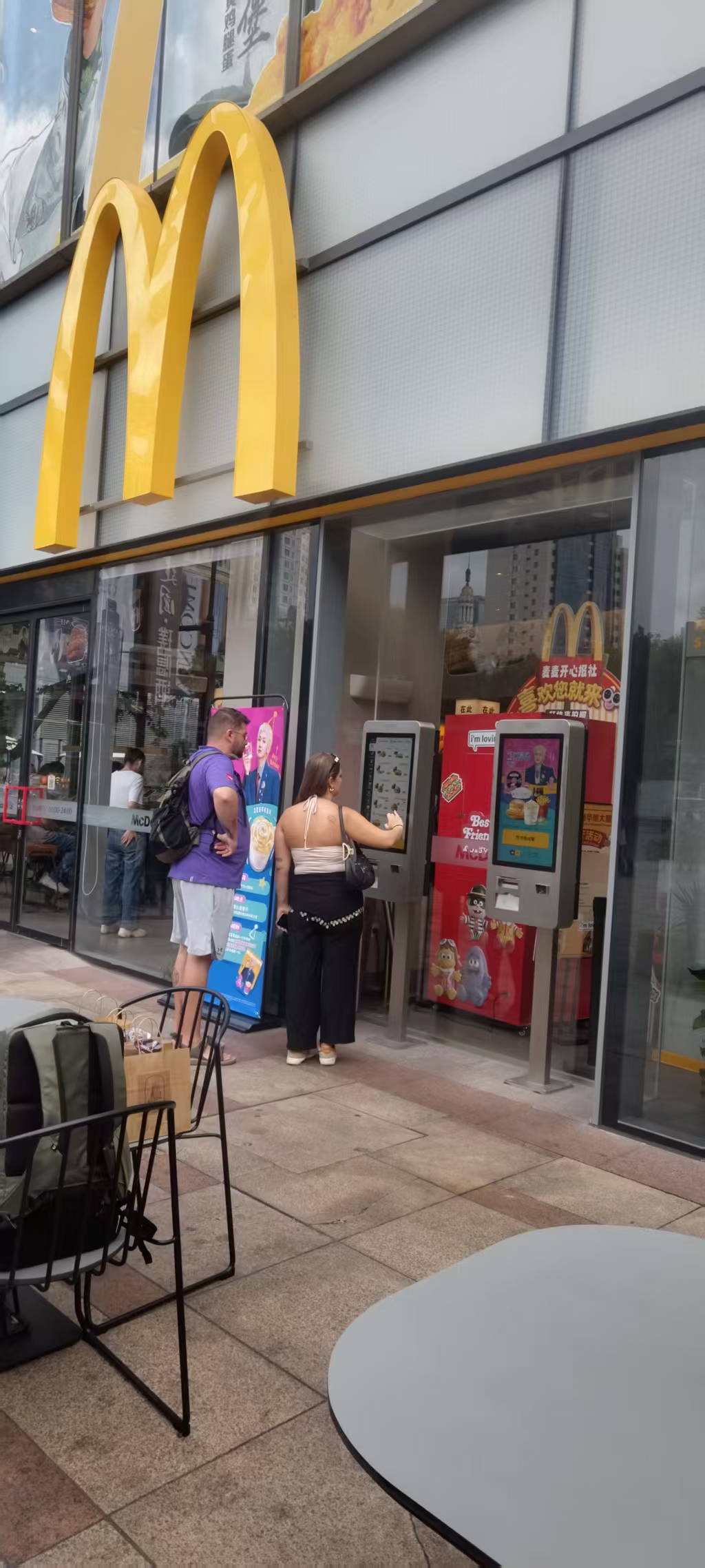
Traditional manual ordering and checkout take a long time – from entering the store to confirming an order can easily take three to five minutes per table. The more orders pile up at peak times, the slower the kitchen output, the longer guests linger, and the lower the table turnover. No matter how large the foot traffic, the store simply can’t capture it.
Stubbornly high labor costs eat up most of the profit
To cope with peak-hour ordering pressure, stores hire extra cashiers and servers year-round. In the off-season the extra hands sit idle; in peak season they’re barely enough. High monthly wages plus room and board squeeze out most of the profit – a whole month of hustle, and you’re really just working to pay your labor costs.
These seemingly minor process problems add up to: huge traffic, low conversion, high costs, and thin profits.
Don’t fight the rat race – process upgrades are the key to breaking through
The restaurant industry is long past the era of “good food equals good money.” With identical dishes and identical pricing, why do others enjoy steady traffic and doubled revenue while your packed store makes nothing?
The core gap lies in operational efficiency.
Smart restaurant owners have long stopped blindly competing on price and traffic-driving. Instead, they optimize processes at the root, reduce waste, and improve conversion. Once the ordering process runs smoothly, the store’s profit margin naturally opens up.
The smart self-ordering kiosk is the lowest-cost, highest-efficiency upgrade solution for small and medium restaurants – purpose-built to cure the “high traffic, low revenue” problem.
One kiosk solves most of a store’s operational headaches
Many owners think a kiosk is just a tool to replace manual ordering. In fact, it is a revenue-boosting powerhouse that revitalizes the business across traffic conversion, cost control, and reputation.
Second-speed self-ordering captures every wave of guests
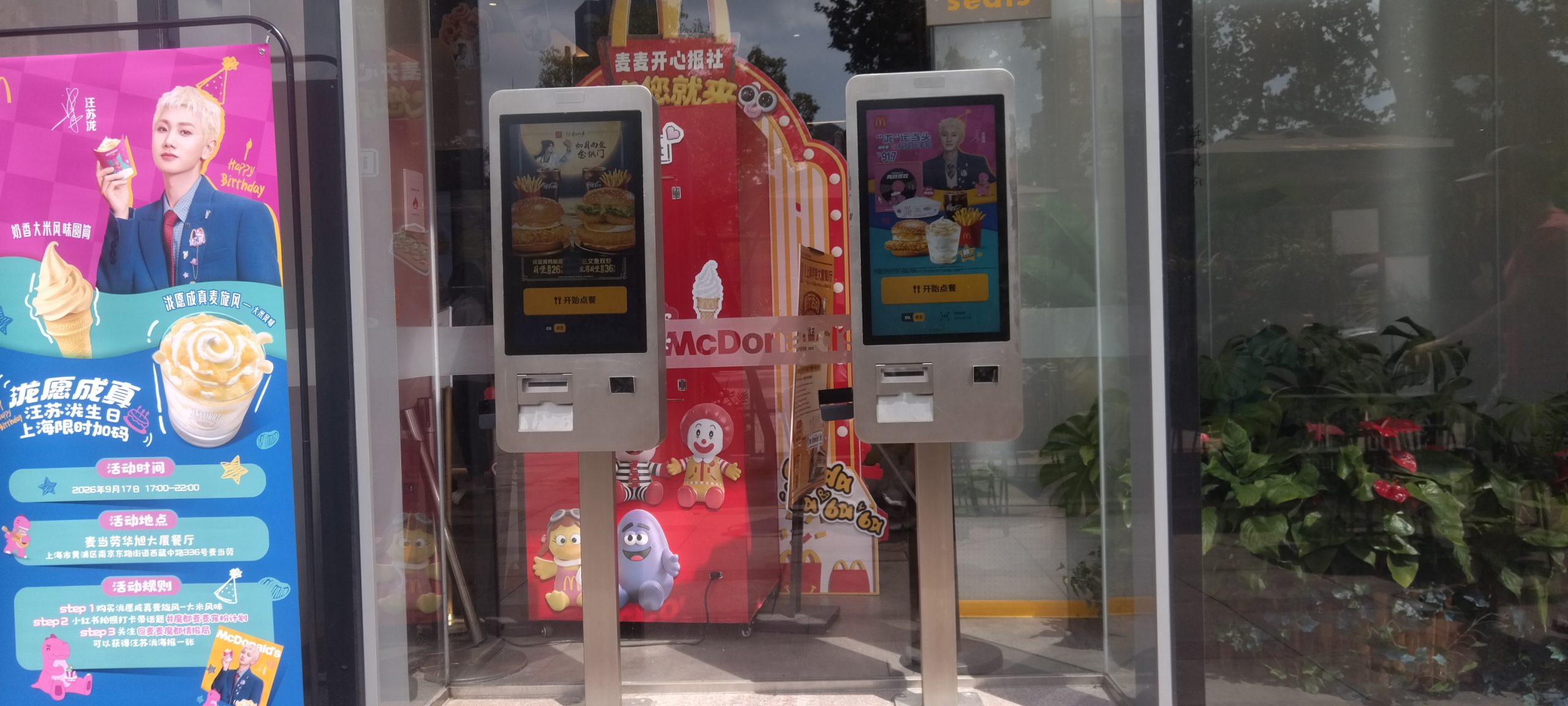
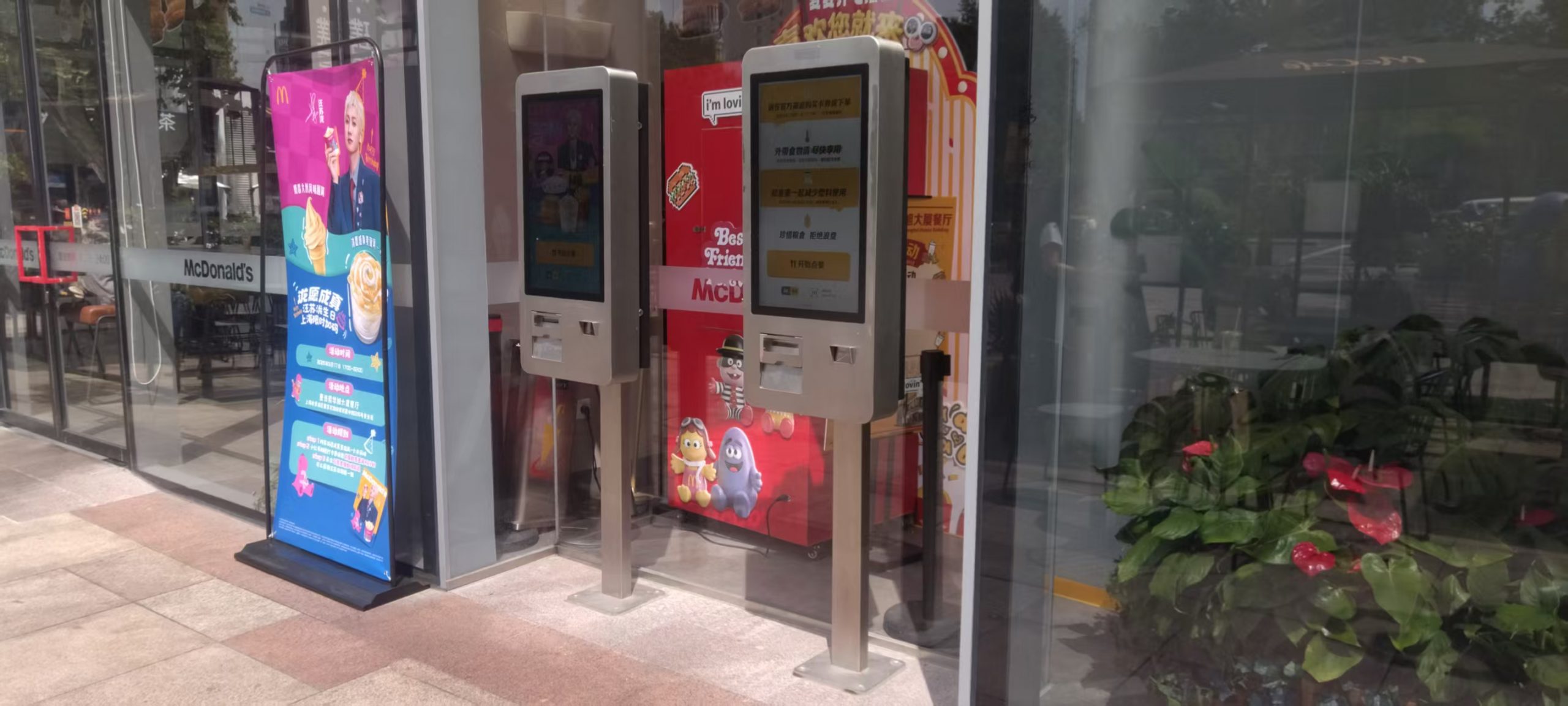
Guests walk in and, without waiting for a server, scan a code or touch the screen to order, add items, and pay – no staff involvement needed at any point. Even at packed peak hours, guests no longer abandon queues, so natural foot traffic is captured to the maximum and waste is eliminated.
With clearly categorized menus and intuitive text-and-image displays, guests browsing on their own are also more likely to add snacks and drinks – steadily and quietly raising the average ticket.
No more human error, less hidden waste
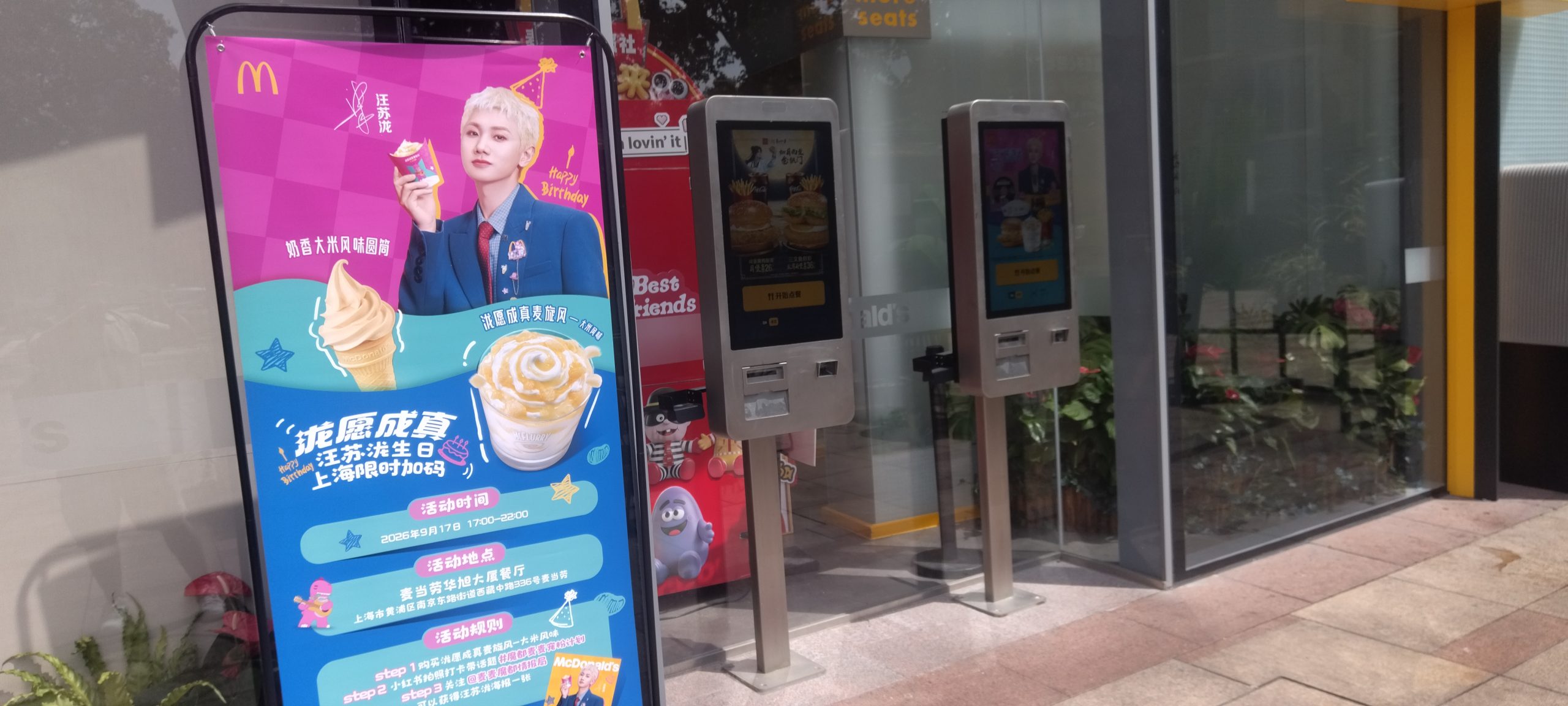
Kiosk orders sync automatically to the kitchen and POS systems, entered by the system throughout with total accuracy – reducing missed, wrong, and duplicate orders. No more absorbing ingredient waste and comped-meal losses from human error; every order becomes valid revenue, drastically reducing hidden losses.
Major labor savings, lower operating costs
One smart kiosk can replace the workload of 1 – 2 cashier/order-taking staff, so the store no longer needs to over-hire for peak hours. Streamlining staffing reasonably saves thousands of yuan per month – tens of thousands per year – flowing straight into net profit.
The remaining staff can focus on preparing and serving food and serving guests, raising overall service quality and creating a virtuous business cycle.
Faster turnover expands the revenue ceiling
Ordering and payment processes are dramatically accelerated, orders sync to the kitchen instantly, and food preparation speeds up significantly. Guests order without waiting and dine without dawdling; table turnover rises markedly, so the same business hours can accommodate more guests and generate more revenue.
A standardized store image that wins guest goodwill
The smart self-ordering model is simple, efficient, and clean – saying goodbye to the chaos and rush of manual ordering. It elevates the store’s modern feel while giving guests a more relaxed, convenient dining experience, resulting in better word of mouth and more repeat business.
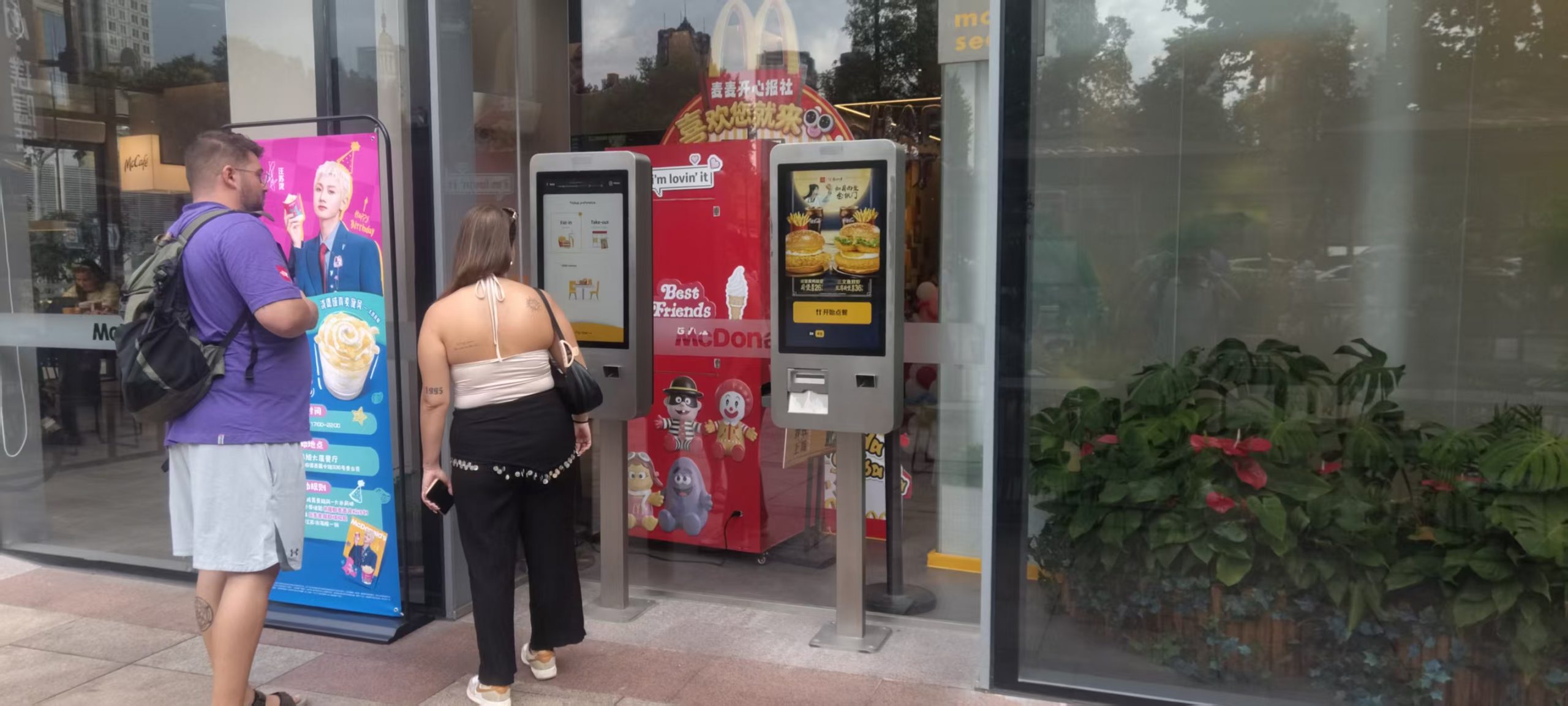
Many owners think a kiosk is just a tool to replace manual ordering. In fact, it is a revenue-boosting powerhouse that revitalizes the business across traffic conversion, cost control, and reputation.
Second-speed self-ordering captures every wave of guests
Guests walk in and, without waiting for a server, scan a code or touch the screen to order, add items, and pay – no staff involvement needed at any point. Even at packed peak hours, guests no longer abandon queues, so natural foot traffic is captured to the maximum and waste is eliminated.
With clearly categorized menus and intuitive text-and-image displays, guests browsing on their own are also more likely to add snacks and drinks – steadily and quietly raising the average ticket.
No more human error, less hidden waste
Kiosk orders sync automatically to the kitchen and POS systems, entered by the system throughout with total accuracy – reducing missed, wrong, and duplicate orders. No more absorbing ingredient waste and comped-meal losses from human error; every order becomes valid revenue, drastically reducing hidden losses.
Major labor savings, lower operating costs
One smart kiosk can replace the workload of 1 – 2 cashier/order-taking staff, so the store no longer needs to over-hire for peak hours. Streamlining staffing reasonably saves thousands of yuan per month – tens of thousands per year – flowing straight into net profit.
The remaining staff can focus on preparing and serving food and serving guests, raising overall service quality and creating a virtuous business cycle.
Faster turnover expands the revenue ceiling
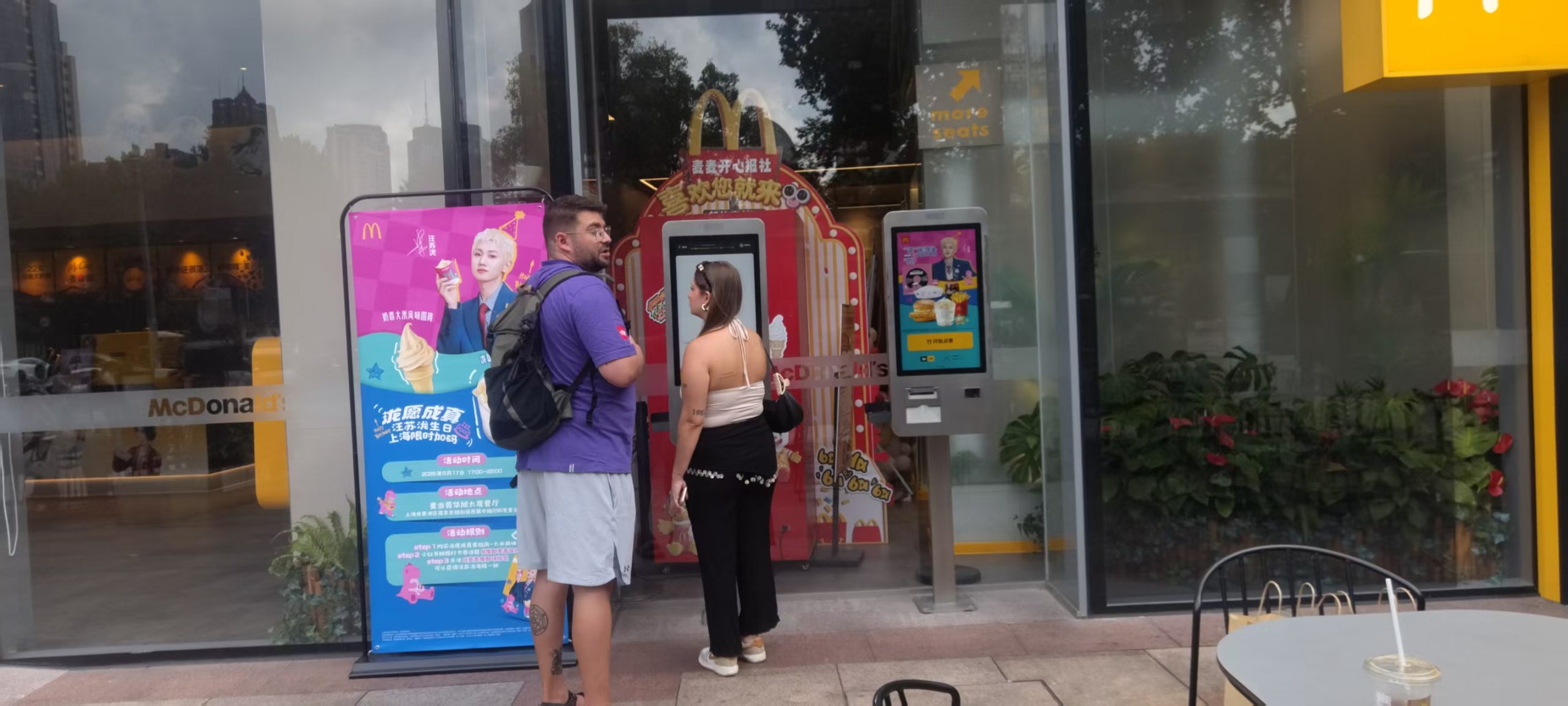
Ordering and payment processes are dramatically accelerated, orders sync to the kitchen instantly, and food preparation speeds up significantly. Guests order without waiting and dine without dawdling; table turnover rises markedly, so the same business hours can accommodate more guests and generate more revenue.
A standardized store image that wins guest goodwill
The smart self-ordering model is simple, efficient, and clean – saying goodbye to the chaos and rush of manual ordering. It elevates the store’s modern feel while giving guests a more relaxed, convenient dining experience, resulting in better word of mouth and more repeat business.
The truth about making money in restaurants: optimize inward, cultivate outward
Competition in the restaurant industry keeps intensifying, and the cost of acquiring guests keeps climbing. Many stores lure guests with low prices and sell at a loss for traffic – only to squander the guests they worked so hard to attract. Rather than spending big on aggressive guest acquisition, it’s better to first retain your existing traffic and make the most of existing resources.
Foot traffic is a store’s foundation; efficiency is the core of profitability. While you’re still grinding through peak hours with manual labor, absorbing wrong-order losses, and bearing high staffing costs, competitors are already using smart kiosks to optimize processes, cut costs, and grow revenue.
The same traffic with a different process is the difference between making money and not making money.
No major renovation, no big price hikes, no strenuous marketing – one smart kiosk easily clears your store’s biggest operational pain points.
Smooth out the ordering process, drive down operating costs, and drive up traffic conversion – so every bit of popularity turns into tangible profit.
Practical Conclusion
Learn how a clearer restaurant ordering process can reduce queue friction, improve menu decisions and help busy stores convert traffic into completed orders. The final configuration should be verified against the real menu, transaction flow, installation space and support plan before deployment.
Deployment and Operating Checks
Planning for restaurant ordering process should begin with the actual service flow rather than a generic demonstration setup. Before launch, test the workflow associated with restaurant ordering process during realistic peak demand and confirm how staff will assist users. Documentation for restaurant ordering process should cover cleaning, updates, network recovery and peripheral checks. A deployment involving restaurant ordering process should pass consistent information to payment and back-office systems.
Explore related hardware configurations in the self-service kiosk product range.