How to Choose the Right Industrial LCD Screen?
Against the backdrop of industrial automation and digital transformation, a display is no longer just a simple "display terminal." In scenarios such as production line MES workstations, equipment status monitoring, and outdoor data collection, it often needs to simultaneously satisfy a series of requirements including vibration resistance, wide temperature range, high brightness, dust and water protection, and specific interface compatibility. For precisely this reason, more and more equipment manufacturers and system integrators are choosing the OEM/ODM contract manufacturing model to customize industrial monitors that match the characteristics of their own equipment.
I. Why Do Industrial Monitors Need OEM/ODM Contract Manufacturing?
Unlike consumer displays, working conditions at industrial sites are often demanding. A display deployed next to a CNC machine tool may have to endure more than 8 hours of continuous vibration every day; a screen installed on an outdoor charging pile faces direct summer sun and winter cold; a touchscreen on a food production line must withstand frequent wiping with cleaning agents.
These scenarios impose clear requirements on a display's structural design, component selection, and protection rating. Generic commercial displays can hardly cover so many segmented needs at once—the brightness may be insufficient, making the screen unreadable in bright light; the interfaces may not match, requiring adapters after installation; or the whole unit may lack protective treatment, developing problems after just a few months of use.
This is where the value of industrial monitor OEM/ODM contract manufacturing lies: it is not a "start-from-scratch" R&D project, but rather engineering adaptation and optimization on the basis of mature solutions for specific working conditions.
II. What Customization Scope Does OEM/ODM Contract Manufacturing Usually Cover?
Depending on the usage scenario, customization of industrial monitors can cover multiple levels from hardware to software. The following are several common customization directions in the industry:
Structural Customization
Structural customization is the core part of industrial monitor OEM/ODM, mainly solving the questions of "how to mount" and "how to withstand" the environment.
In terms of mounting methods, common industrial mounting structures include: embedded (fixed through a cutout in the cabinet panel), VESA wall-mount, cantilever (fixed to the side of equipment via multi-joint arms), and rack-mounted (installed in a standard cabinet). Different scenarios have different structural requirements, and structural customization revolves around these mounting methods and on-site conditions.
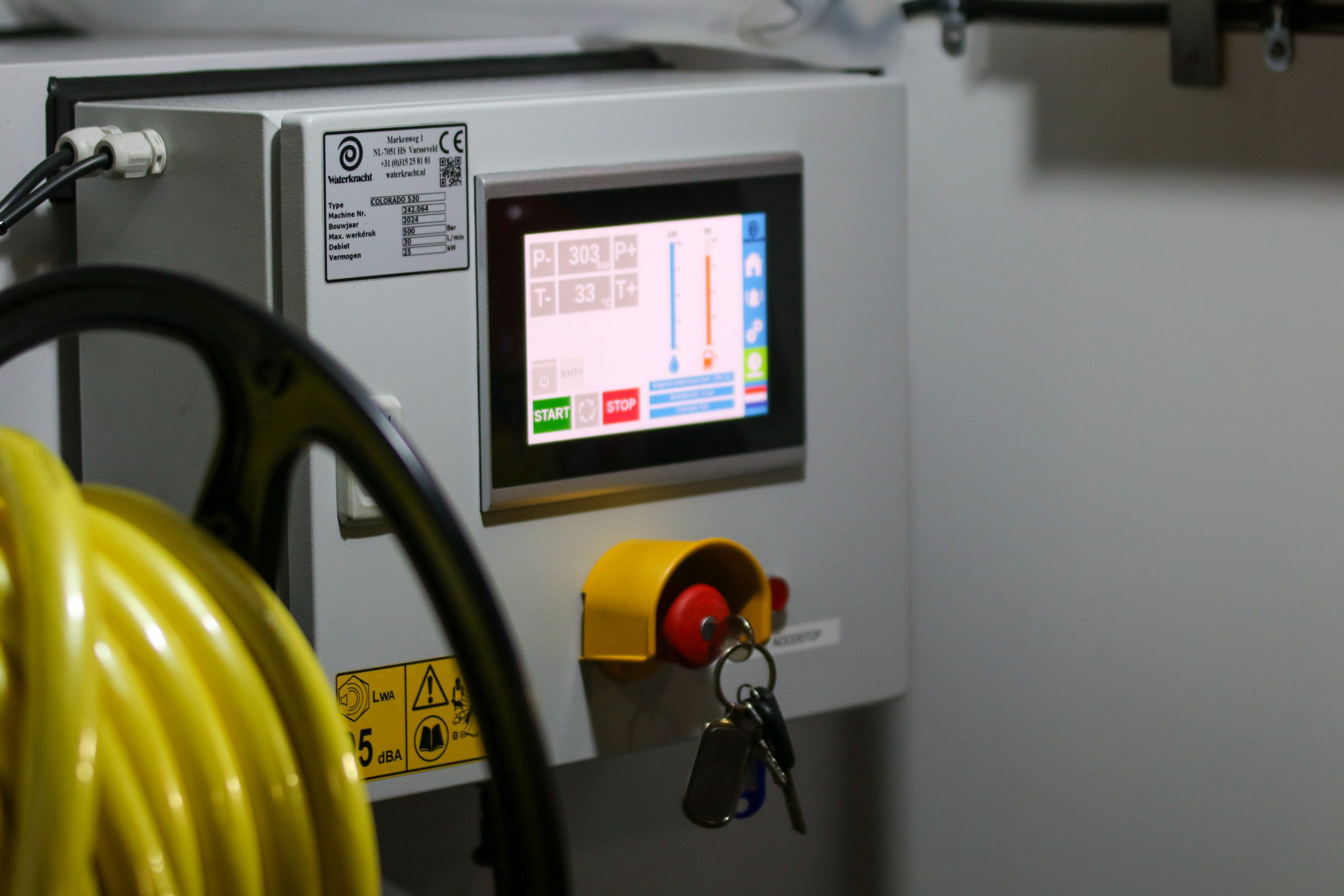
In addition, protection rating is a key dimension. For workshops, outdoor areas, and similar environments, customized solutions usually need to reach IP65 or higher to ensure stable equipment operation in dusty or water-spray environments. For settings with oil contamination or requiring frequent cleaning, special materials such as stainless steel housings can be used to meet corrosion-resistance and easy-cleaning requirements.
Optical Parameter Customization
Optical parameters directly determine the visibility of the display under specific lighting conditions.
Brightness is a typical dividing line. Ordinary commercial displays usually have a brightness of 250-300 nit, suitable for shaded indoor environments. In industrial scenarios, if the equipment is deployed near windows or in semi-outdoor positions, a high-brightness solution of 500-1000 nit may be needed. For fully outdoor scenarios with direct sunlight, 1500 nit or more may be required, combined with optical bonding processes to reduce reflection.
Wide-temperature screens are another common option. Ordinary LCD screens usually have an operating temperature range of 0°C to 50°C, while industrial-grade wide-temperature screens can support -20°C to 70°C or even wider, suitable for northern winters or un-air-conditioned workshops in southern summers.
The choice of touchscreen is equally important. Capacitive touchscreens are closer to consumer products in sensitivity and multi-touch experience, suitable for scenarios with frequent human-machine interaction; resistive touchscreens are undemanding about operating tools and support operation with gloves or hard objects, retaining irreplaceable advantages in certain industrial scenarios.
Interface and Function Customization
Industrial sites feature diverse equipment types, with different communication protocols and interface requirements. One advantage of customized contract manufacturing is the ability to configure interfaces according to actual equipment connection needs.
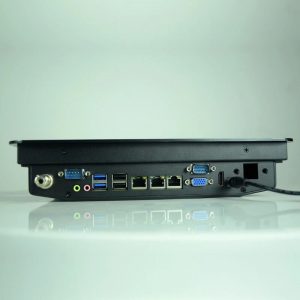
Commonly customized interfaces include: RS-232 serial ports for connecting legacy equipment or PLCs, RS-485 interfaces for industrial bus communication, GPIO interfaces supporting long-distance transmission, and dual network ports (for internal/external network isolation or network redundancy). Planning these interfaces in advance during the customization stage can reduce stability problems caused by on-site adapters.
In addition, optional add-on functions such as built-in speakers, physical buttons, explosion-proof screens, and privacy films can be selected according to scenario needs.
Software and OS Customization
Some industrial monitors have built-in Android or Linux systems and can be used as lightweight industrial tablets. During customization, designated applications can be pre-installed, auto-start on boot can be set, the boot logo and system desktop can be customized, and user permissions can be restricted (such as disabling application installation or locking system settings). For scenarios that need to interface directly with MES or SCADA systems, software-level customization is particularly important.
Technical Adaptation: Engineering Implementation of Interfaces and Mounting Methods
In the actual practice of OEM/ODM contract manufacturing, interfaces and mounting methods are often two technical details that require repeated communication and confirmation.
For interfaces, requirements usually come from the communication protocols of on-site equipment. For example, connecting to a PLC may require RS-232 or RS-485; connecting high-speed industrial cameras may require USB 3.0 or gigabit network ports; connecting older equipment may require VGA or DVI interfaces. The contract manufacturer will confirm the versions and quantities of these interfaces during the solution design stage to ensure reliable and stable connections with the equipment.
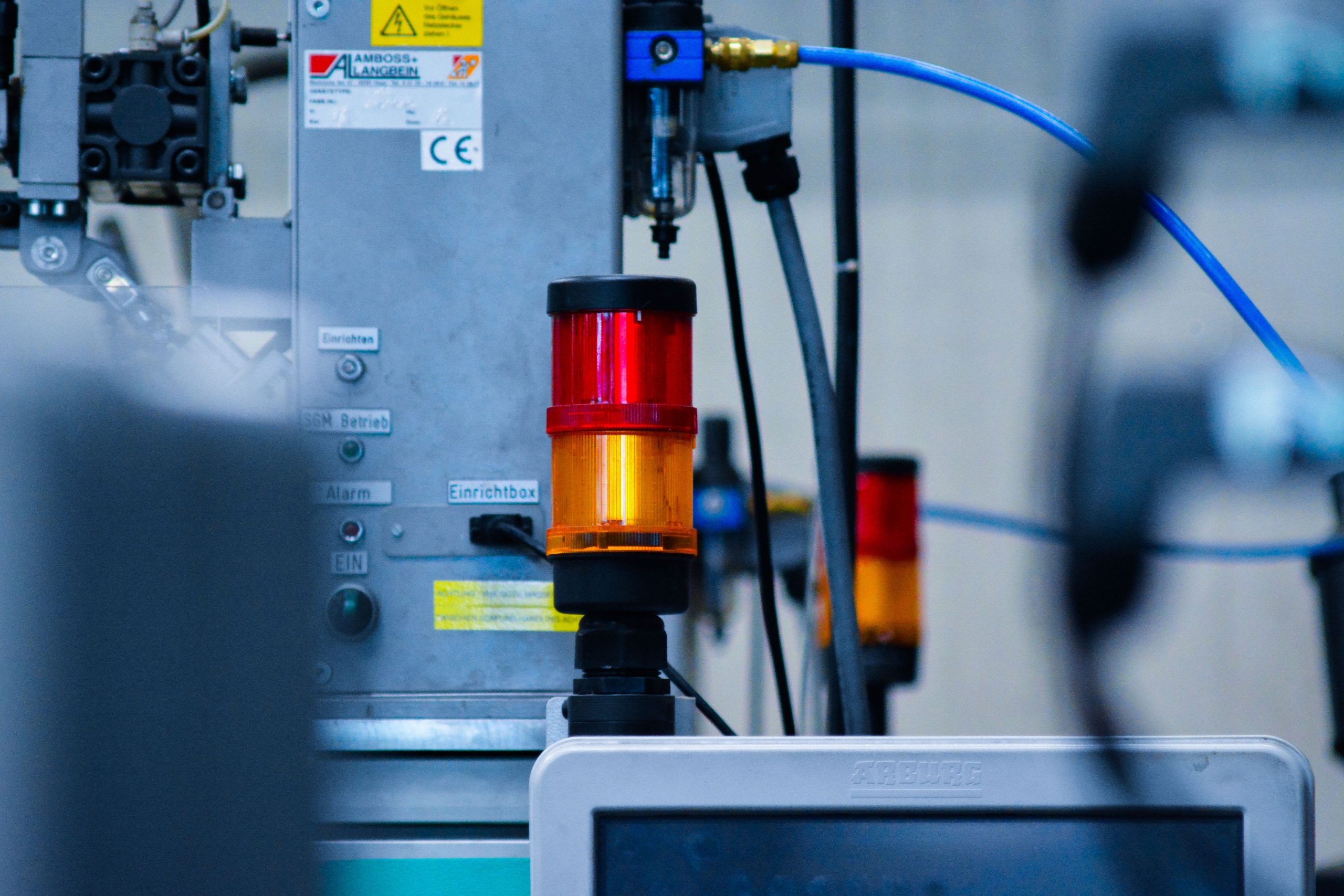
For mounting methods, different structural designs directly affect the display's heat dissipation, sealing, and overall reliability. Embedded installation requires considering cutout dimensions and fixing methods; wall mounting requires confirming the VESA hole spacing; cantilever mounting requires focusing on whether interface positions allow easy plugging and unplugging. These details need to be clarified during the structural design stage to avoid discovering after the prototype is completed that it cannot be installed.
IV. Quality Control and Delivery: What Capabilities Should a Contract Manufacturer Have?
When choosing an OEM/ODM partner, beyond price and lead time, there is another easily overlooked yet extremely important factor—the quality control system. Once an industrial monitor fails on the production line, the resulting downtime losses may far exceed the value of the equipment itself.
Therefore, when evaluating a contract manufacturer, it is recommended to focus on the following aspects:
Quality system certification: Whether the factory has passed ISO9001 quality management system and ISO14001 environmental management system certifications—the basic threshold for measuring the standardization of factory management.
Burn-in testing capability: Whether the factory is equipped with burn-in rooms and can perform at least 24-48 hours of high-temperature burn-in testing on every industrial monitor before it leaves the factory to screen out early defects.
Incoming and outgoing inspection: Whether there are complete IQC (incoming quality control) and OQC (outgoing quality control) processes to ensure consistency and traceability of incoming material quality and finished product quality.
Customization service experience: Whether the manufacturer has extensive experience in non-standard customization and can perform deep customization of structure, optics, software, etc., according to project requirements.
Portable Industrial Monitors: A Growing New Category
It is worth noting that, alongside traditional embedded or wall-mounted industrial monitors, portable industrial monitors are gradually becoming an independent sub-category. They usually feature slim bodies, aluminum alloy housings, and Type-C single-cable connectivity (power + display + touch), with sizes concentrated in the 13-16 inch range. They are commonly used in equipment debugging, outdoor inspection, temporary workstation setup, and other scenarios requiring flexible deployment.
The customization requirements of these products differ from those of embedded industrial monitors, focusing more on the balance of lightweight design, interface compatibility, and display quality. Some customized solutions also consider built-in batteries, wireless connectivity, anti-glare, and other features to enhance the user experience in portable scenarios.
VI. How to Efficiently Start an Industrial Monitor Customization Project?
For users with industrial monitor customization needs, the following process can effectively improve project startup efficiency:
Clarify the usage scenario: Will the equipment be installed indoors or outdoors? Does it need to be moved frequently? Are there special temperature or protection requirements? All of this is information that needs to be clarified during the solution design stage.
Compile interface requirements and mounting method: List all equipment to be connected on site and their interface types, and determine the mounting method so that engineers can plan interface layout and structural design in advance.
Communicate optical parameters: Confirm the required brightness and touch method based on the lighting conditions of the usage environment.
Confirm lead time and MOQ: Lead times vary greatly for projects with different levels of customization depth, so plan the schedule before starting.
The core logic of industrial monitor OEM/ODM contract manufacturing is: on the basis of standard solutions, through reasonable engineering customization, enabling the equipment to truly adapt to the needs of specific industrial scenarios. Choosing the right contract manufacturing partner can keep project risks under control while better guaranteeing the adaptability and long-term reliability of the monitor.
For project planning, a embedded industrial display should be evaluated together with the mounting structure, signal interfaces, touch method, operating environment, and maintenance requirements.
When specifying a embedded industrial display, integrators should match the display configuration to the actual installation space, control system, viewing conditions, and expected duty cycle.
ZXTLCD can configure a embedded industrial display around project-specific requirements such as panel size, brightness, touch technology, interfaces, mounting method, and environmental protection.