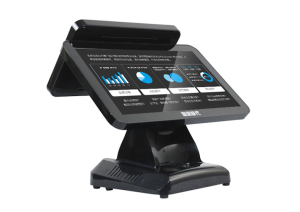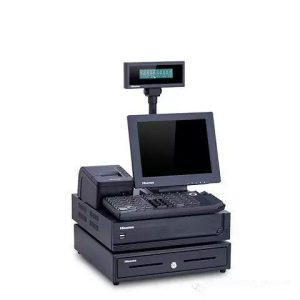
Deploying a modern Government Self-Service Terminal has become a vital strategic step for businesses aiming to optimize workflow. “Unable to queue for urgently needed services, while idle machines sit completely unused”—this is an all-too-common paradox observed across government service halls. In recent years, issues such as unscientific device deployment, fragmented system integration, and tardy operation and maintenance (O&M) have led to high idle rates among public service kiosks, drawing widespread concern.
The utilization rate of government self-service terminals is not only directly tied to the service experience of citizens and enterprises, but also reflects the resource allocation capabilities of administrative service halls. In recent national directives, authorities have repeatedly addressed resource wastage in public administrative services, explicitly mandating crackdowns on extravagant spending and calling for the prevention and correction of superficial “vanity projects.” Following these guidelines, public administrative service bureaus nationwide have launched self-inspection and operational optimization campaigns to prevent self-service terminals from degenerating into mere decorative showpieces.
Evaluating government self-service terminals must not rely merely on how neatly machines are lined up in the lobby; the decisive metric is whether citizens can actually use them easily and smoothly. Deploying a terminal is merely the first step; subsequent operation, maintenance, public promotion, and iterative upgrades represent the true test of governance.
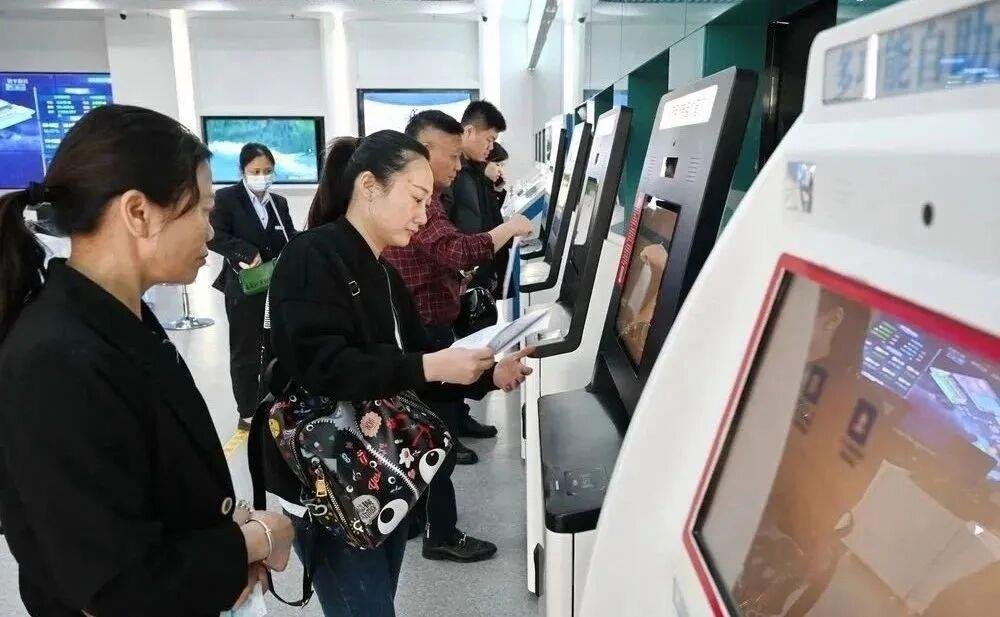
First, Understand Real Needs and Deploy on Demand with a Government Self-Service Terminal
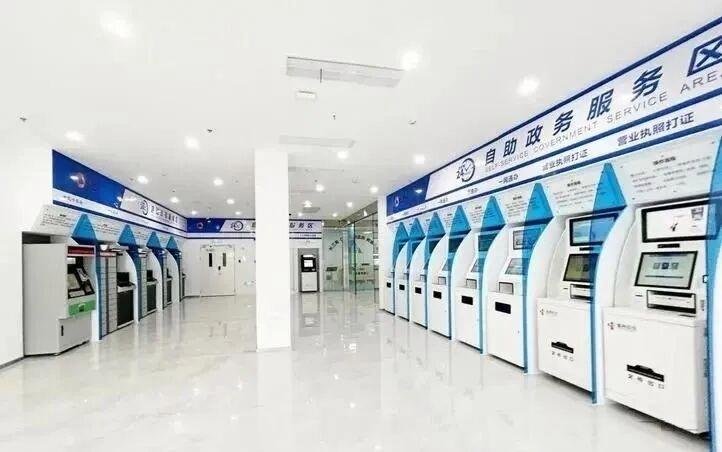
Initially, many regions blindly pursued deployment coverage, cramming administrative lobbies with hardware only for most machines to end up neglected. The sound approach is to let data drive decisions: monitor backend usage heatmaps to instantly see which terminals are heavily utilized and which remain idle. Relocate or decommission low-traffic machines to where they are genuinely needed, and push high-frequency transactional kiosks down to townships, sub-districts, and community centers, enabling citizens to handle public affairs right at their doorsteps. Only when resources follow demand will equipment cease to sit idle.
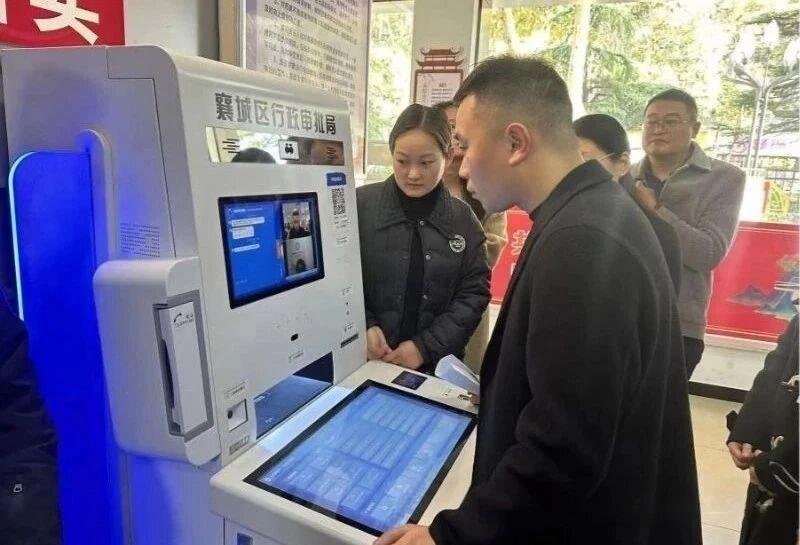
Second, Empower Kiosks to Be Truly Multifunctional
Previously, different government departments built isolated software silos and placed separate hardware terminals. Citizens had to jump between multiple kiosks, swipe different cards, and deal with cumbersome fragmentation. Today, the focus is on “All-in-One Kiosk Processing”—breaking down inter-departmental barriers, calling high-frequency digital credentials such as national IDs and business licenses with a single touch, and enabling thousands of administrative affairs to be settled on a single terminal. For users struggling with digital operations, real-time video links with remote human service agents can provide step-by-step guidance, effectively closing the digital divide.
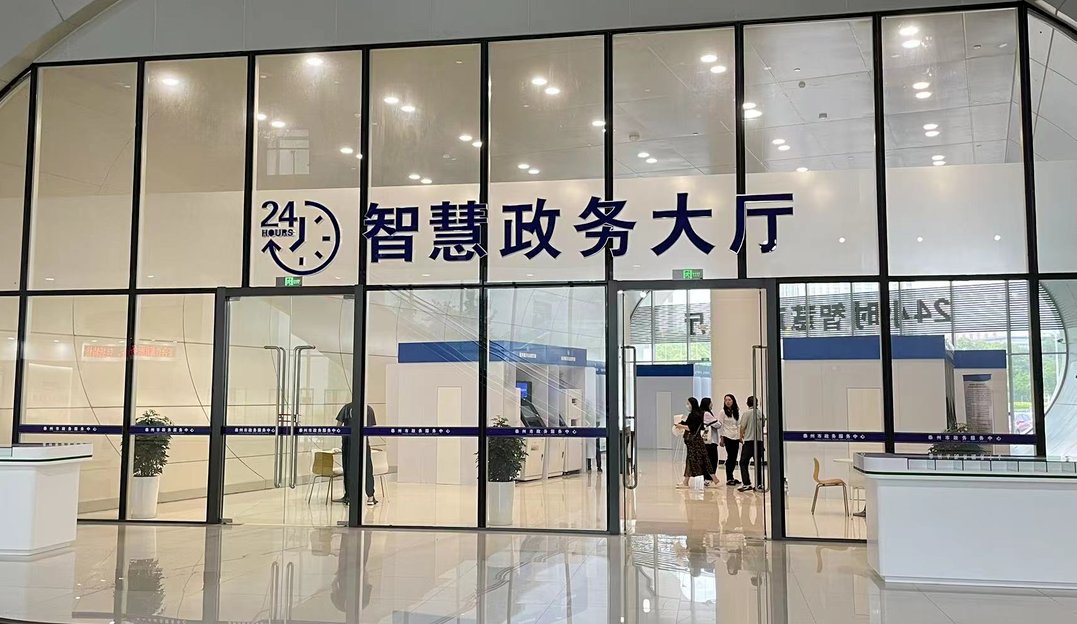
Crucially, Ensure Dedicated Maintenance and Support
Placing a machine is far from the end of the job. Unresolved hardware failures, software freezes, and network disconnects will alienate citizens after a single frustrating experience. Every piece of equipment needs a dedicated caretaker: assigning specific responsibilities, conducting daily walk-throughs, scheduling routine preventative maintenance, and ensuring rapid fault resolution. Only when failure rates drop and terminal availability stabilizes will the public feel confident using self-service kiosks.
Finally, Ensure the Public Knows How and Where to Use Them
Publish online digital terminal maps and comprehensive service catalogs, place intuitive visual step-by-step guides inside lobbies, and train on-site facilitators to offer proactive assistance. Enable QR code feedback mechanisms to form a closed-loop cycle of “Usage – Feedback – Continuous Optimization.”
Ultimately, the true value of government self-service terminals lies not in hardware numbers, but in practical efficacy. Transitioning from “merely having them” to “making them genuinely useful” tests the fine-grained governance capabilities of public service institutions and their sincere commitment to serving the people.
Looking for customized Government Self-Service Terminal solutions, commercial touchscreen displays, or OEM/ODM self-service hardware? Feel free to contact the ZXTLCD engineering team for free consultations, product samples, and tailored technical specifications.
Deploying a Self-Service Solution?
To elevate customer experience and streamline ordering or ticketing workflows, explore our AI Self Service Terminal with Large Touchscreen or the versatile Self Service Kiosk for Cinema & Ticketing. For custom hardware integrations, discover our complete line of Custom Self-Service Kiosks or consult our engineering team for sample evaluation.