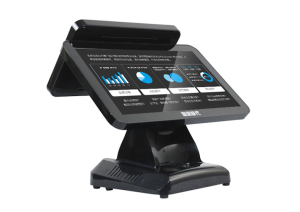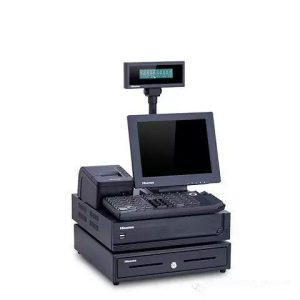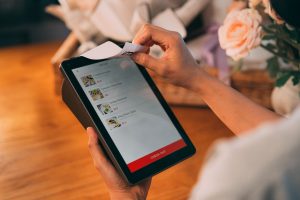
Deploying a modern QR Code Self-Ordering POS has become a vital strategic step for businesses aiming to optimize workflow. For dining establishments, ordering and checkout may seem like the simplest parts of daily operations. However, if a business still relies on manual handling, it inevitably faces long queues, ordering errors, communication delays, and inflated labor and operational overhead.
With the acceleration of catering digitalization, self-service QR code ordering and checkout have become the go-to solution for an increasing number of restaurants. Customers simply scan a QR code with their smartphones to open a digital menu, browse dishes, submit orders, and complete payment independently. This minimizes human intervention and makes the entire ordering journey streamlined and efficient.
QR Code Self-Ordering POS: 1. Self-Service QR Code Ordering: Relieving Staff from Order-Taking Pressure
During peak meal times, traditional restaurants frequently see servers overwhelmed by multiple tables ordering at once.
Diners have to wait for an available server, while staff must repeatedly confirm dish selections, customizations, and quantities. When foot traffic surges, bottlenecks form instantly, and manual miscommunications can easily lead to missed items or wrong orders.
Self-Service QR code ordering offloads a significant portion of order-taking to customers themselves.
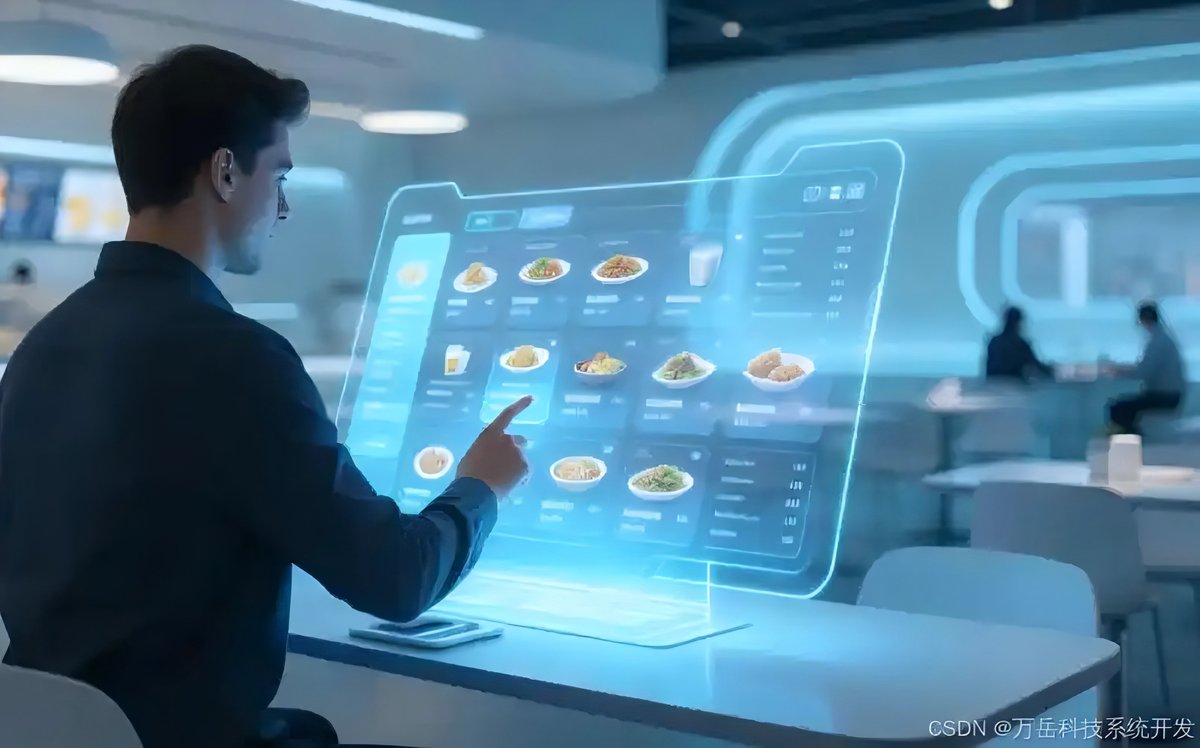
Upon scanning the QR code, diners can browse the digital menu, choose dishes, configure options, and submit orders directly. Order information enters the POS system immediately without duplicate manual entry, enabling service staff to redirect their energy toward food preparation, expediting, table service, and overall store hospitality.
2. Agile Digital Menus: Slashing Menu Update Costs
Traditional printed menus must be redesigned and reprinted whenever dishes change, prices adjust, or combo offerings are refreshed.
Digital menus offer far greater flexibility. Operators can instantly update dish details, photos, pricing, combo packages, and promotional recommendations based on actual business needs.
For restaurant brands operating multi-unit chains or frequently rotating seasonal menus, digital menu management delivers unprecedented convenience.
Furthermore, digital menus can display richer product narratives and appetizing visuals, giving customers a clearer, more engaging understanding of each offering during ordering.
3. Self-Service Checkout: Streamlining the Billing Process
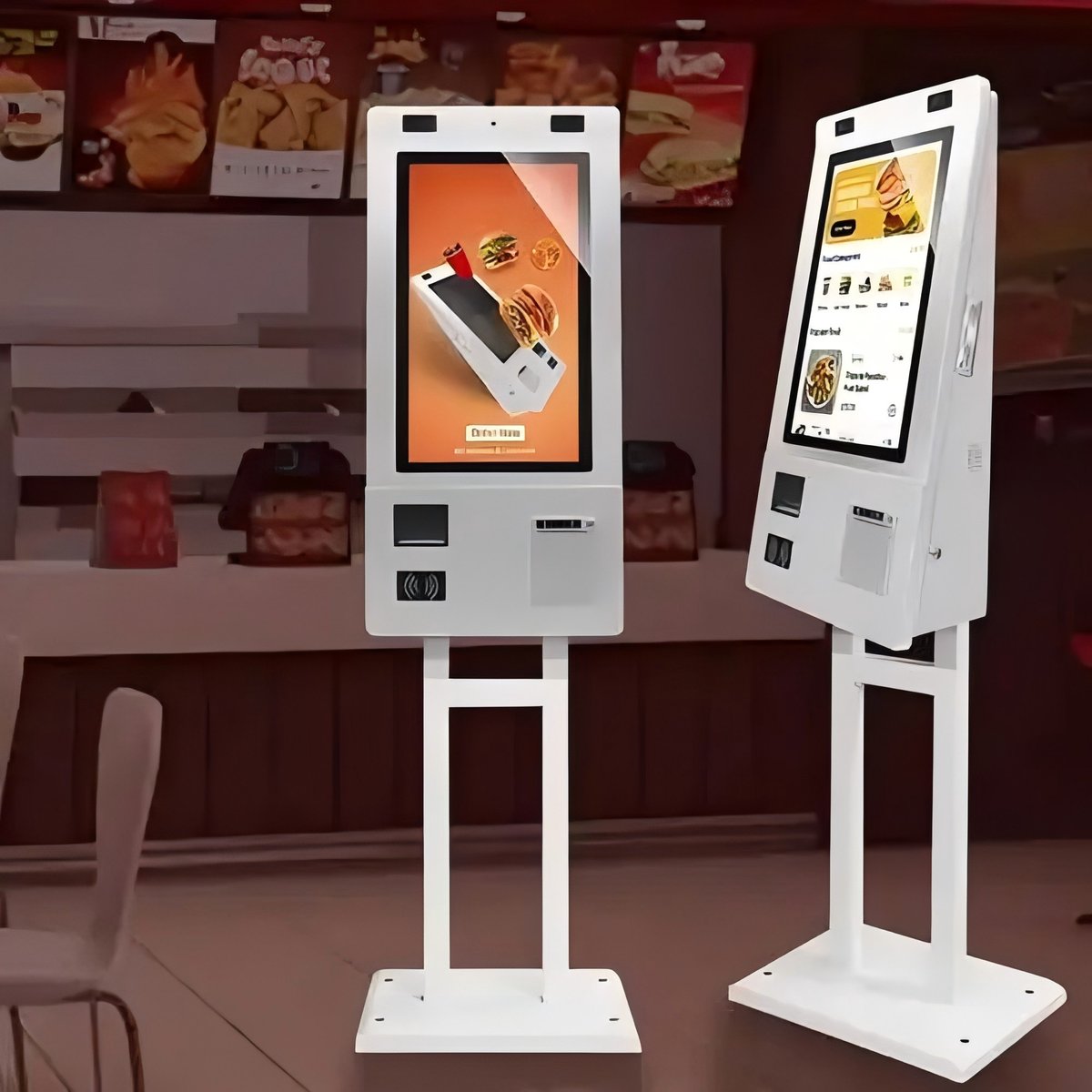
Beyond taking orders, settlement is another critical touchpoint in restaurant service.
During peak hours, if every guest converges on a single manned cashier counter to settle up, long lines inevitably form. With self-service checkout, diners can review their bill and pay instantly on their own devices following system prompts, removing friction from front-counter cashiers.
For restaurants, integrating self-service ordering with automated checkout eliminates repetitive manual cashiering, forming an end-to-end digital loop from ordering and ticketing to final payment.
4. Clarifying Operational Data and Financial Metrics
Catering businesses generate voluminous operational data daily, including order tickets, dish sales figures, gross revenue, and hour-by-hour transaction trends.
If this data relies on manual bookkeeping and manual tallying, the workload is cumbersome and long-term trend analysis becomes nearly impossible.
A digital ordering and checkout system centrally logs every transaction, making it effortless for management to review real-time operational data.
With these data insights, operators can clearly identify best-selling dishes and peak foot-traffic hours, allowing them to adjust menu offerings, optimize staffing schedules, and fine-tune operational strategies with precision.
5. Cutting Software Costs and Making Digitalization Accessible
Digital transformation in foodservice does not have to entail complex, exorbitant software suites.
For most small and medium-sized restaurants, what truly matters is selecting ordering and payment solutions that match actual operational realities.
Self-service QR code ordering does not require adding manual workstations; guests complete the entire workflow directly on their own smartphones. Meanwhile, stores can configure digital features tailored specifically to their needs.
ZXTLCD provides comprehensive commercial display terminal solutions—including self-service ordering kiosks, digital menu boards, and self-checkout terminals—tailored to various dining environments, empowering stores to execute practical, step-by-step digital upgrades.
6. Self-Service Ordering Enables Lean, Low-Staff Operations
As the catering industry demands ever-greater operational productivity, lean staffing and partially unattended business models are gaining momentum.
Self-service QR ordering minimizes guest dependence on waitstaff. In suitable self-service settings, patrons seamlessly complete QR scanning, item selection, ordering, and payment on their own.
This operational model is particularly ideal for fast-food restaurants, beverage shops, compact eateries, cafeterias, and high-speed dining venues requiring rapid turnover.
For business owners, eliminating repetitive manual order-taking frees up limited staff to focus on services where human touch truly adds value.
7. A Single Self-Service Ordering System Adapts to Diverse Business Models
Different dining establishments operate under very different business models.
Some prioritize dine-in table service; others focus on rapid grab-and-go ordering; still others combine dine-in, takeout, and self-service all at once.
Consequently, self-service ordering systems must offer structural flexibility.
ZXTLCD’s self-service ordering solutions configure dedicated display hardware and software features around diverse dining scenarios, allowing merchants to adopt the digital ordering mode best suited to their operations.
From mobile QR ordering to standalone self-service kiosks and digital cashier terminals, different capabilities can be seamlessly combined according to operational needs.
8. ZXTLCD Self-Service QR Ordering and Digital POS Solutions
Specializing in commercial displays and self-service terminals, ZXTLCD provides digital display and automated self-service solutions across dining, retail, and commercial environments.
For restaurants, ZXTLCD supplies integrated terminal hardware built around self-service ordering kiosks, digital menu boards, and automated checkout terminals.
By digitally uniting display, ordering, and cashier workflows, we help restaurants eliminate repetitive manual labor while elevating customer self-service satisfaction.
For dining brands undertaking digital upgrades, self-service QR code ordering represents not only a modern ordering channel, but a fundamental pillar for optimizing storewide operational efficiency.
Conclusion
The true essence of restaurant digitalization is not simply buying more hardware; it lies in deploying practical systems and terminals to streamline ordering, ticketing, cashiering, and operational data management.
Self-service QR code ordering and automated checkout eliminate repetitive manual labor, shorten ordering times, and help restaurants establish transparent, data-driven digital operations.
If your restaurant is planning to upgrade its ordering and payment workflows, consider selecting a tailored self-service solution matched to your business model, store layout, foot-traffic profile, and service style.
ZXTLCD provides commercial self-service display hardware and ordering terminals tailored to diverse dining scenarios, delivering steadfast equipment support for your digital restaurant journey. In summary, integrating the right QR Code Self-Ordering POS provides long-term operational resilience, reduced labor friction, and enhanced customer satisfaction.
Looking for customized QR Code Self-Ordering POS solutions, commercial touchscreen displays, or OEM/ODM self-service hardware? Feel free to contact the ZXTLCD engineering team for free consultations, product samples, and tailored technical specifications.
Deploying a Self-Service Solution?
To elevate customer experience and streamline ordering or ticketing workflows, explore our AI Self Service Terminal with Large Touchscreen or the versatile Self Service Kiosk for Cinema & Ticketing. For custom hardware integrations, discover our complete line of Custom Self-Service Kiosks or consult our engineering team for sample evaluation.