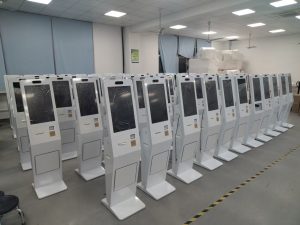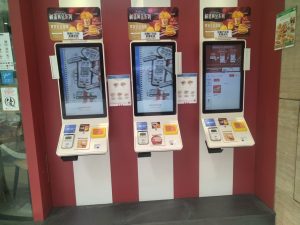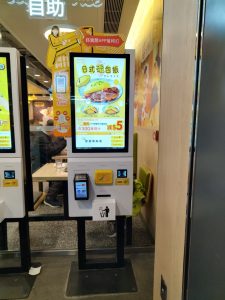
Modern self-ordering terminals do more than collect payment; they coordinate the full front-of-house transaction flow.
System Objectives
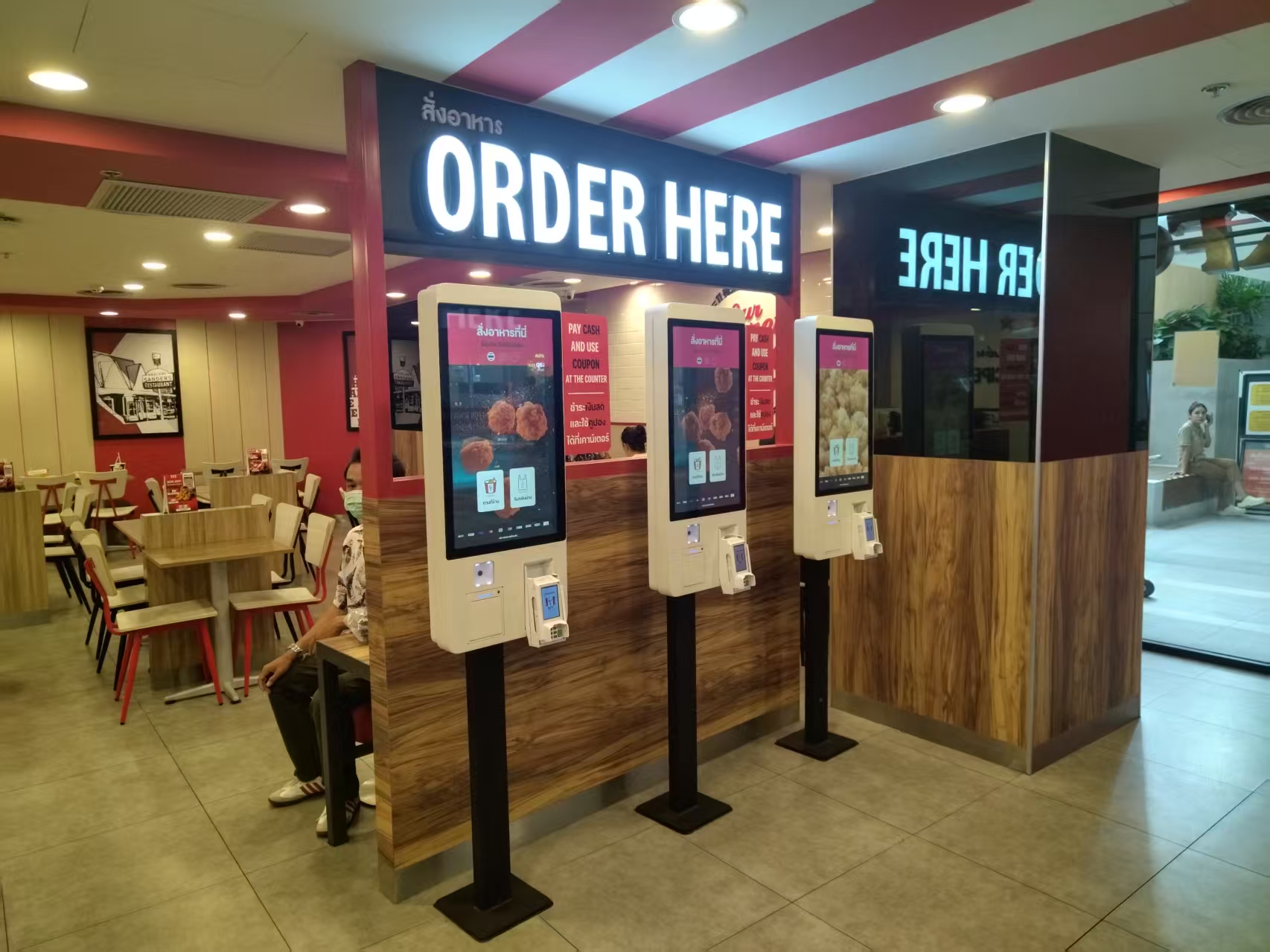
The self-service terminal ordering system is a comprehensive information system that uses computer networks and terminal equipment to enable guests to order food on their own.
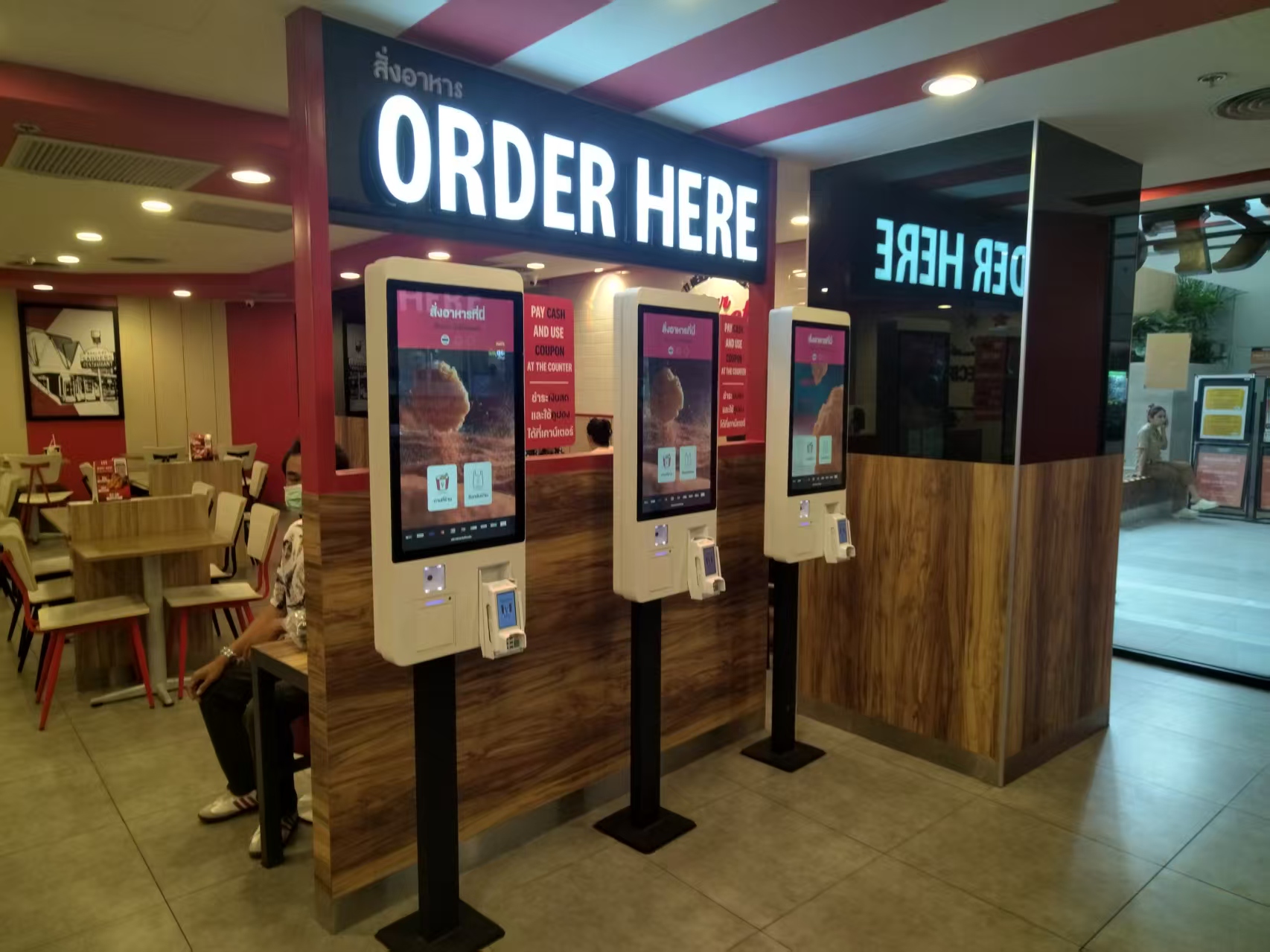
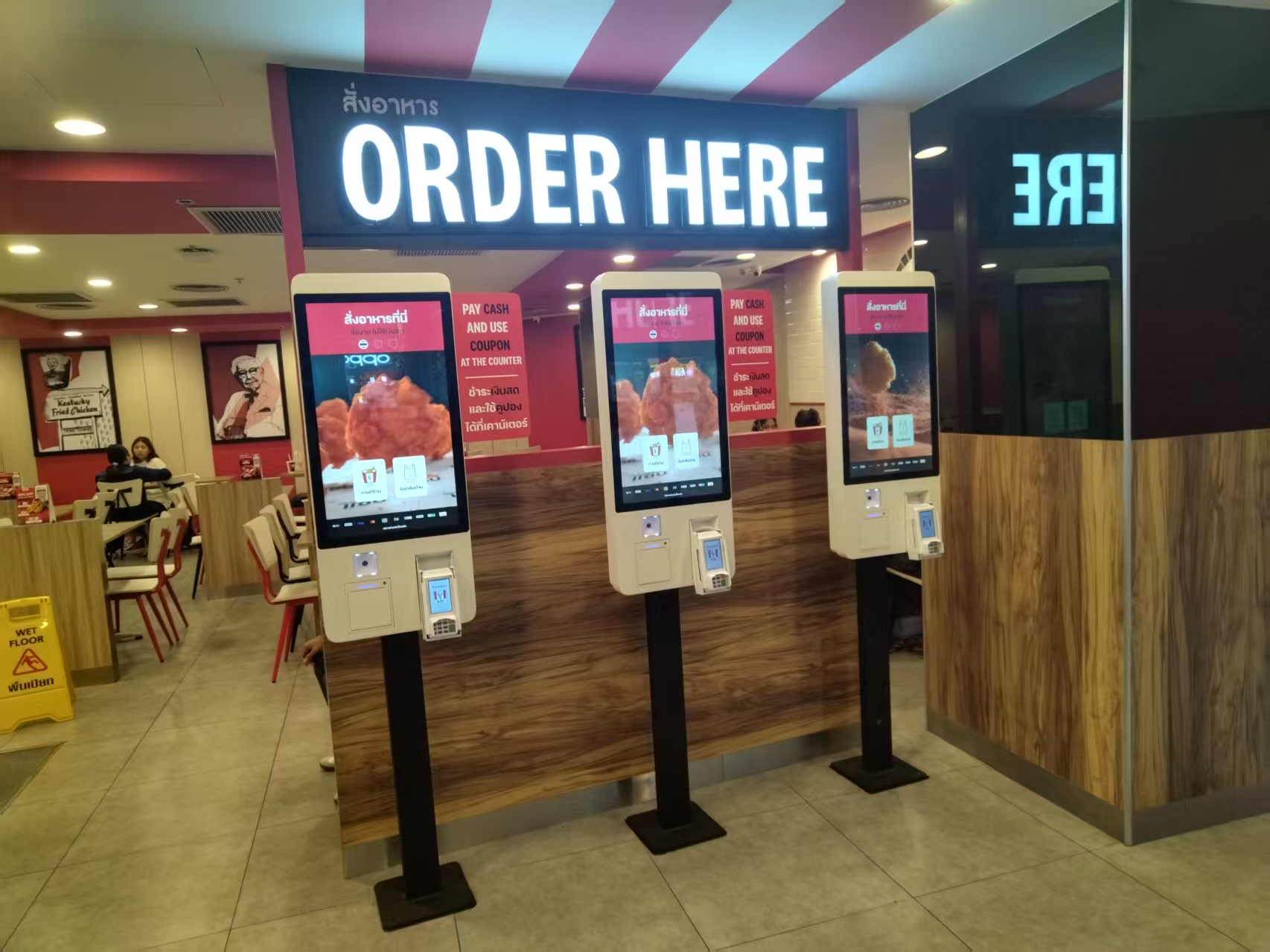
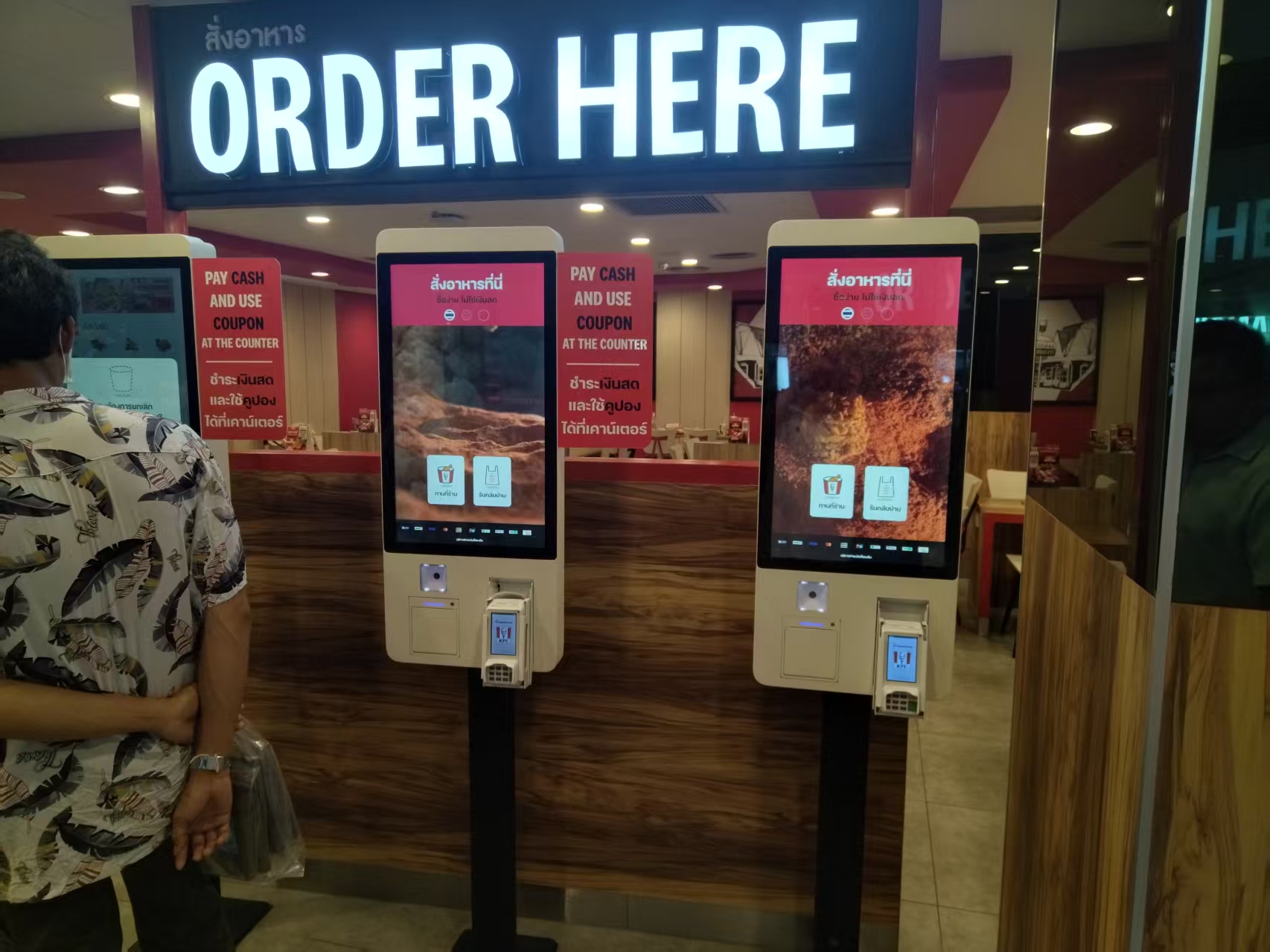
By installing a self-service terminal in the restaurant, guests can look up dishes and pay with cash, bank card (optional), QR payment, or mobile wallet payment, and retrieve meals via the network. On one hand, this greatly facilitates guest ordering – sparing them the pain of queuing during peak ordering hours and saving their time; on the other hand, it relieves the work pressure on restaurant staff, saves human resources, and improves restaurant operating efficiency.
System Function Overview
This system is a terminal that integrates cash, card payment network, QR payment, and mobile wallet payment. The cash module uses an imported bill acceptor/mechanism with fast cash acceptance and change dispensing, extremely high recognition rates, and high security.
1 System Functions
As shown above, the system consists of the self-ordering terminal and the kitchen. After a guest places an order at the self-ordering terminal and pays successfully, the ordering terminal and the kitchen printer issue tickets simultaneously, and the guest picks up the meal with the receipt.
Self-ordering terminal:
Browse dishes
Confirm quantities
Cash payment
Card payment
QR payment
mobile wallet payment
Ticket printing
Network meal pickup
Dish management
Accounting management
Permission management
Data Transmission Process
After swiping a card, the guest does not need to enter the amount payable; instead, the order amount data is sent directly to card payment network.
Once the self-service terminal receives the successful transaction message, it automatically starts the receipt printing program – otherwise no receipt can be printed – and simultaneously notifies the management system server that the ticket has been issued.
After the guest confirms the order and selects QR payment or mobile wallet payment, the system generates a QR code; the guest scans it with a phone and confirms payment, and upon successful payment the system prints the ticket.
Product Advantages
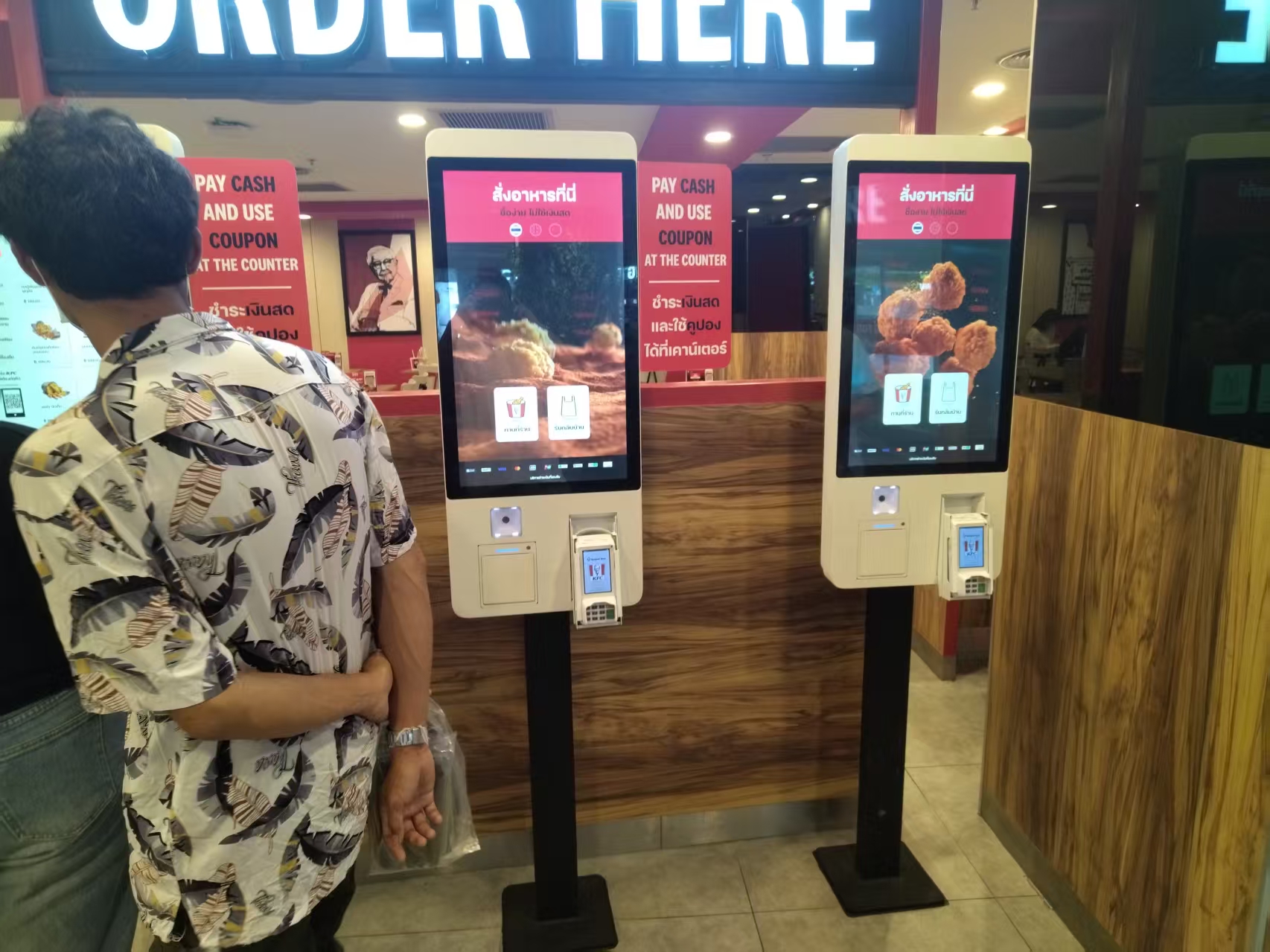
This self-service ticketing terminal supports cash acceptance with change dispensing, with fast speed and an extremely high recognition rate. It is simple to operate, practical in function, and elegant in appearance, integrating today’s mainstream payment modes (cash, card, mobile wallet payment, QR payment) with voice prompts and other features. Dishes can be added, changed, or deleted as needed, making management convenient.
Practical Conclusion
A self ordering POS terminal can combine menu browsing, item selection, payment, receipt printing and kitchen communication in one device. The final configuration should be verified against the real menu, transaction flow, installation space and support plan before deployment.
Deployment and Operating Checks
Planning for self ordering POS terminal should begin with the actual service flow rather than a generic demonstration setup. Before launch, test the workflow associated with self ordering POS terminal during realistic peak demand and confirm how staff will assist users. Documentation for self ordering POS terminal should cover cleaning, updates, network recovery and peripheral checks. A deployment involving self ordering POS terminal should pass consistent information to payment and back-office systems.
Explore related hardware configurations in the self-service kiosk product range.