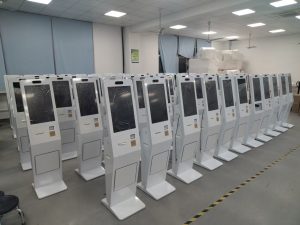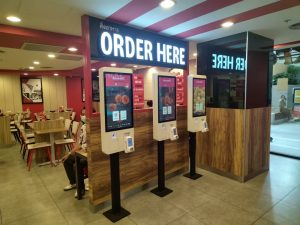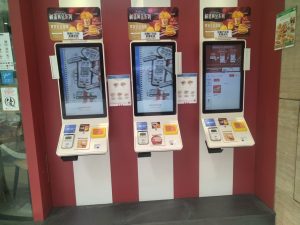
Restaurants are adopting self-service terminals as part of a broader shift toward connected, measurable and flexible service.
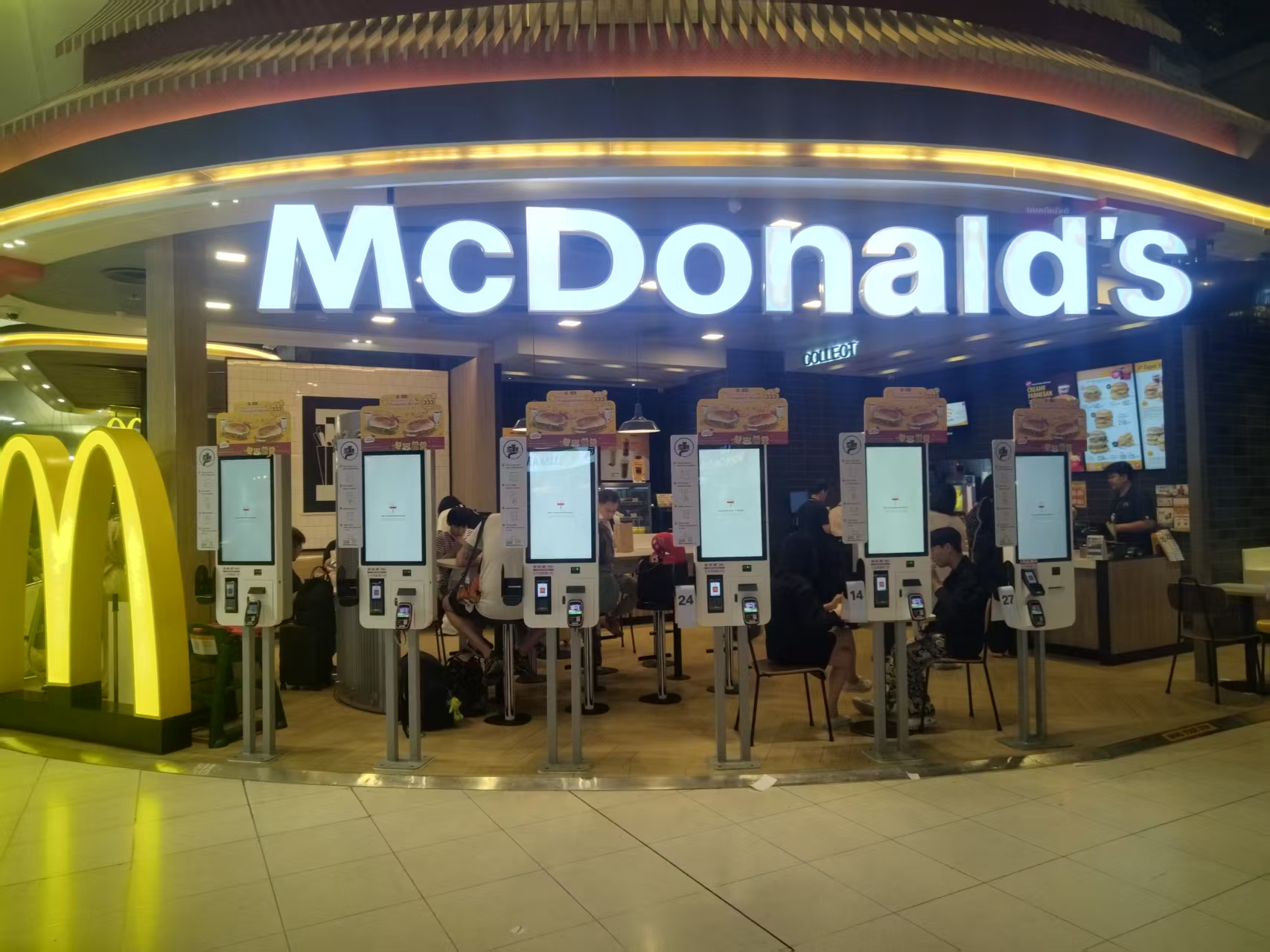
Driven by the twin forces of consumption upgrading and digitalization, the restaurant industry has long left behind the era of competing solely on “taste and location.” Today’s diners not only pursue fresh ingredients and great flavor, but also value an efficient, convenient, and comfortable in-store experience. For restaurant operators, rising labor costs, peak-hour congestion, wrong and missed orders, and guest churn have become core pain points of store management.
The drawbacks of the traditional manual ordering model are increasingly apparent in daily operations: at mealtime peaks, guests queue at length and simply walk away when patience runs out; staff are too busy taking orders, entering tickets, and running the register to attend to table service, dragging down the store’s reputation; manual order entry is error-prone, triggering complaints and disputes; understaffing, hiring difficulties, and high labor costs squeeze profit margins…
As times change, restaurant business models must evolve with them. The new standard of smart dining – self-ordering kiosks reshaping the guest experience. One intelligent all-in-one self-ordering kiosk solves diners’ pain points and restaurant operators’ operational challenges, opening a new paradigm of digital operation for offline restaurants.
Say Goodbye to Tedious Waiting – Rebuilding the Diner’s Experience
For guests, a bad dining experience often begins with “endlessly queuing to order.” Especially in high-frequency scenarios such as fast food, bubble tea, snacks, cafeterias, and chain restaurants, efficiency and ease are guests’ core demands.
The self-ordering kiosk completely breaks the time-and-space limits of traditional ordering: no queuing, no waiting, no staff intermediary needed. The high-definition touch screen is simple to operate with a clear, intuitive interface – dish categories, prices, and photo-text introductions at a glance. Seniors, young adults, and students can all use it with ease.
Guests can browse the full menu on their own, freely combine combo meals, choose flavors, and add notes – one-tap ordering, QR-code payment, automatic ticket printing: the entire process is self-service and highly efficient. No staff urging, no worry about communication errors – an immersive self-ordering experience that greatly elevates both the ritual and comfort of dining.
Where it used to be “ten minutes queuing, one minute ordering,” now ordering is completed in 30 seconds, drastically shortening wait times and eliminating congestion and queue chaos, making every in-store visit relaxed, efficient, and comfortable.
Cut Costs, Boost Efficiency, Raise Quality – Unlocking New Store Operations
Behind the upgraded guest experience is a complete revolution in operational efficiency. For a long time, the restaurant industry has depended heavily on labor: front-of-house ordering and cashier positions see high turnover, are hard to fill, and command high wages – a burden for many small stores and chain brands alike.
As core equipment of smart dining, the self-ordering kiosk perfectly replaces repetitive, mechanical ordering and cashier work, greatly reducing staffing ratios. Stores no longer need multiple dedicated order-takers and cashiers, effectively cutting the combined costs of recruitment, wages, and management and significantly reducing operating expenses.
Meanwhile, the device intelligently records orders and automatically syncs them to the kitchen, with accurate data throughout – eliminating wrong orders, missed orders, and missed payments caused by manual ordering at the root, reducing complaints, disputes, and food waste, and improving operational precision.
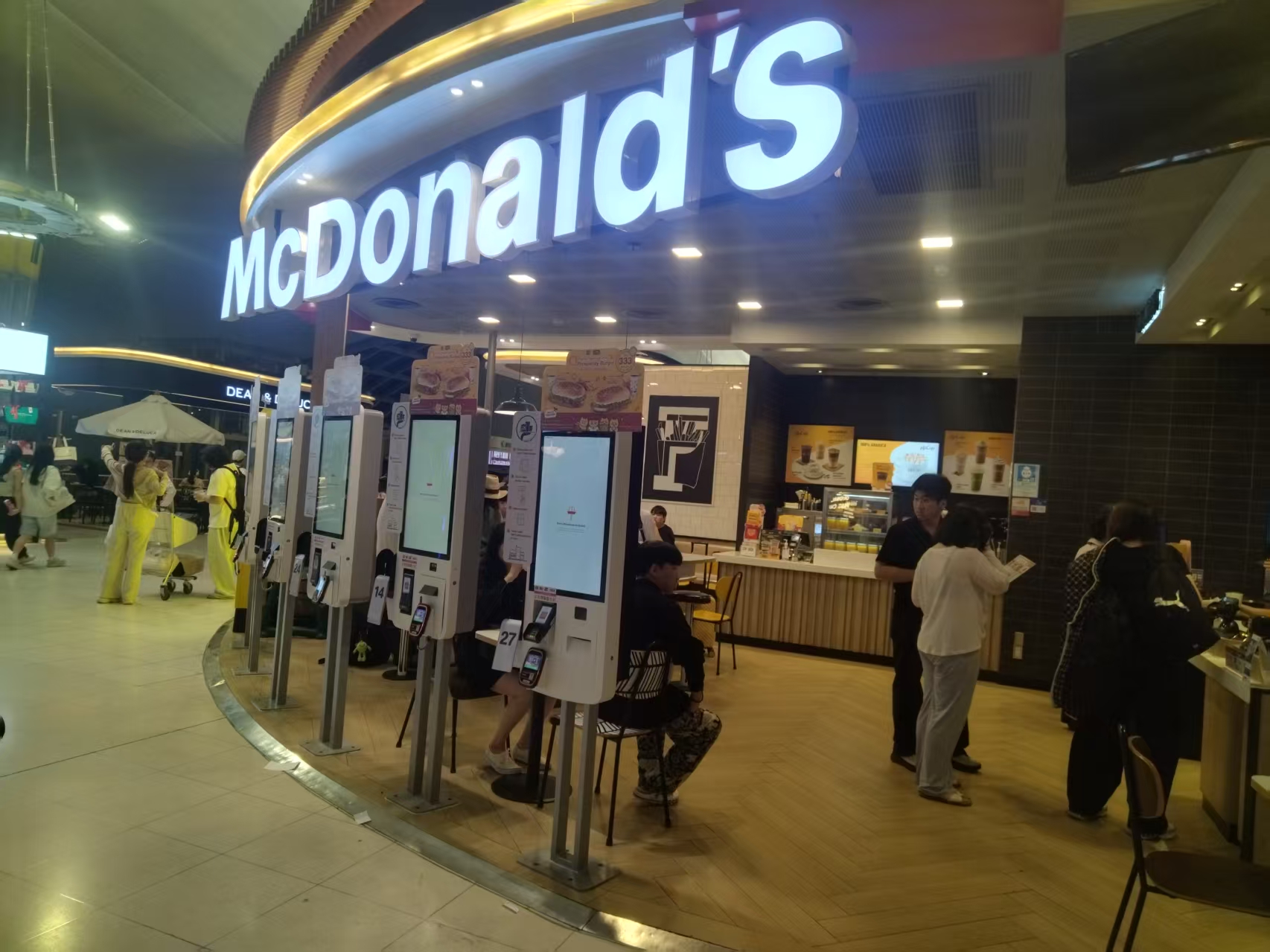
At dining peaks, self-ordering kiosks can serve multiple guests ordering simultaneously, diverting store traffic and thoroughly solving the dilemma of “guests queuing away while staff are overwhelmed,” substantially raising table turnover and traffic volume for steady revenue growth. During slow periods, the unattended, 24-hour-ready devices can flexibly handle scattered guests, maximizing the store’s business potential.
Digital Empowerment for Long-Term, Refined Restaurant Operations
True smart dining goes beyond the convenience of “self-ordering” – it lies in data-driven, refined, long-term operational empowerment.
Traditional stores rely mostly on experience-based judgment; data on dish sales, guest preferences, and consumption peaks is vague, making precise strategy adjustments difficult. The self-ordering kiosk, equipped with an intelligent data statistics system, automatically records core operational data such as daily dish sales, traffic by time period, consumption preferences, and average ticket, and automatically generates data reports.
Without manual tallying, restaurant operators can intuitively grasp the store’s business condition, precisely identify hit dishes and slow movers, flexibly adjust the menu, optimize inventory, and control ingredient procurement – effectively reducing food waste and achieving refined cost control.
The device can also be paired with member marketing, coupons, spend-threshold discounts, combo offers, and other marketing functions, helping stores easily run online and offline campaigns to retain regulars and attract newcomers – breaking the single-track traditional restaurant model, accumulating an owned loyalty audience, and building sustainable competitive strength.
Full-Scenario Fit – Becoming an Essential Standard for Restaurants
Today’s self-ordering kiosks are no longer exclusive to large chain brands; they are a digital necessity for restaurants of every category and scenario. Fast-food burger shops, tea and beverage stores, snack and light-meal eateries, school cafeterias, corporate restaurants, scenic-area dining outlets, and chain restaurants can all be perfectly accommodated.
The devices run stably and smoothly with low failure rates, supporting automatic receipt printing, multi-channel QR payment, customizable menu interfaces, multi-language switching, and more – balancing practicality and professionalism to fit different stores and guest groups.
Optimizing experience on the guest side, improving efficiency on the operations side, and empowering growth in the long run – a small self-ordering kiosk carries the big trend of the restaurant industry’s digital transformation.
Technology empowers dining, and details build reputation. In an increasingly competitive restaurant market, only by following digital trends, optimizing the guest experience, improving operational efficiency, and lowering operating costs can a business stand firm and stay profitable.
The self-ordering kiosk is more than an ordering device – it is a smart instrument for restaurants to improve quality, boost efficiency, and upgrade and transform, helping every restaurant operate with ease and move forward steadily on the new-era track!
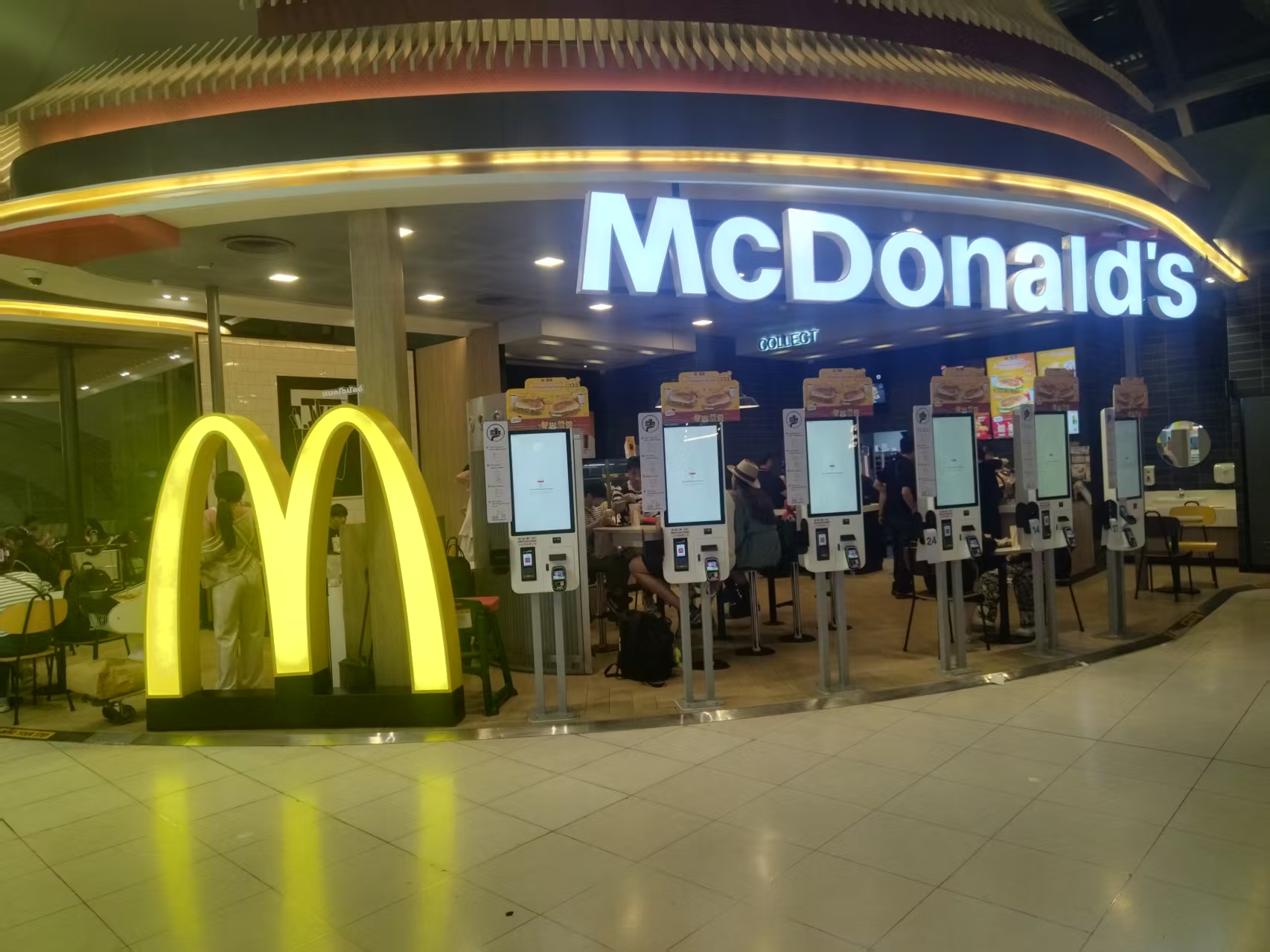
Practical Conclusion
Learn why a smart restaurant kiosk is becoming a practical part of modern dining operations, from menu presentation to payment and kitchen coordination. The final configuration should be verified against the real menu, transaction flow, installation space and support plan before deployment.
Deployment and Operating Checks
Planning for smart restaurant kiosk should begin with the actual service flow rather than a generic demonstration setup. Before launch, test the workflow associated with smart restaurant kiosk during realistic peak demand and confirm how staff will assist users. Documentation for smart restaurant kiosk should cover cleaning, updates, network recovery and peripheral checks. A deployment involving smart restaurant kiosk should pass consistent information to payment and back-office systems.
Explore related hardware configurations in the self-service kiosk product range.