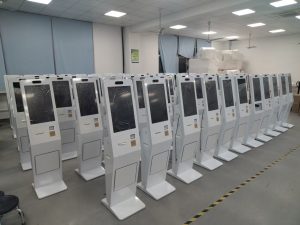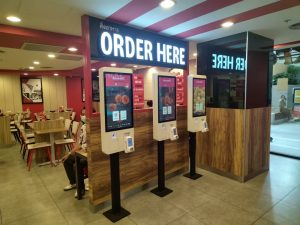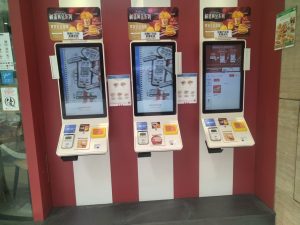
Airport restaurants need an ordering format that remains clear and efficient for travelers with limited time and varied language needs.
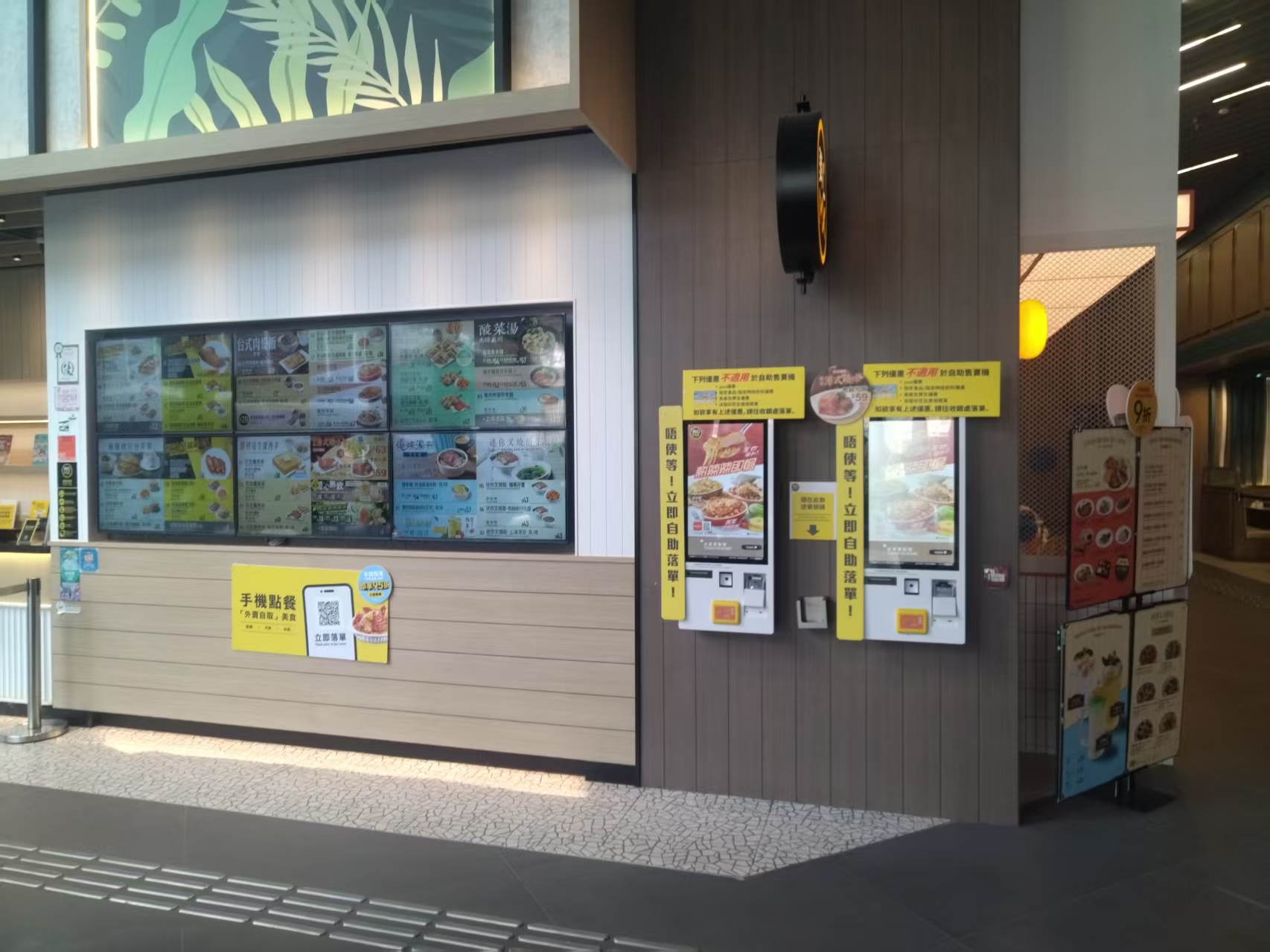
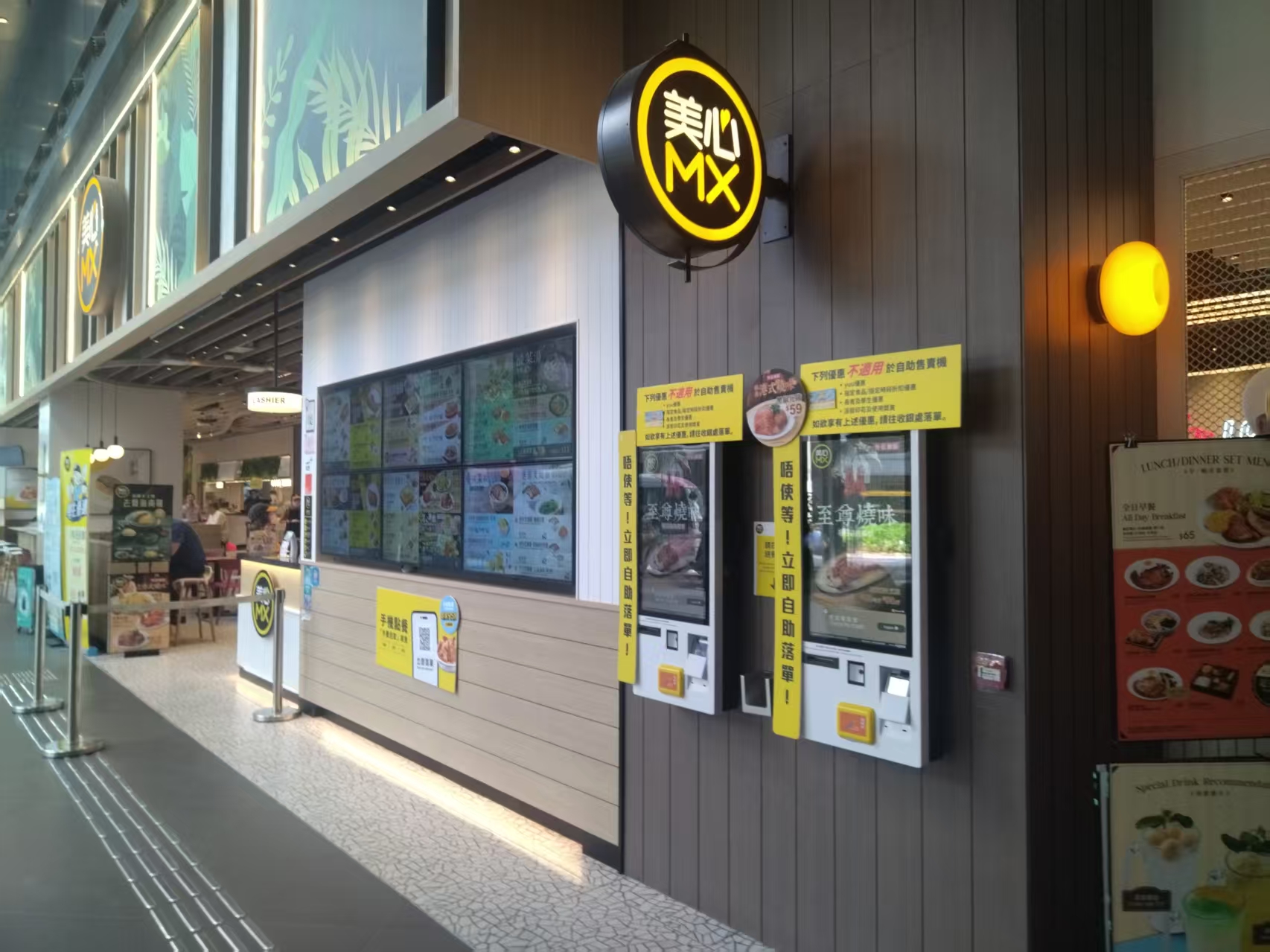
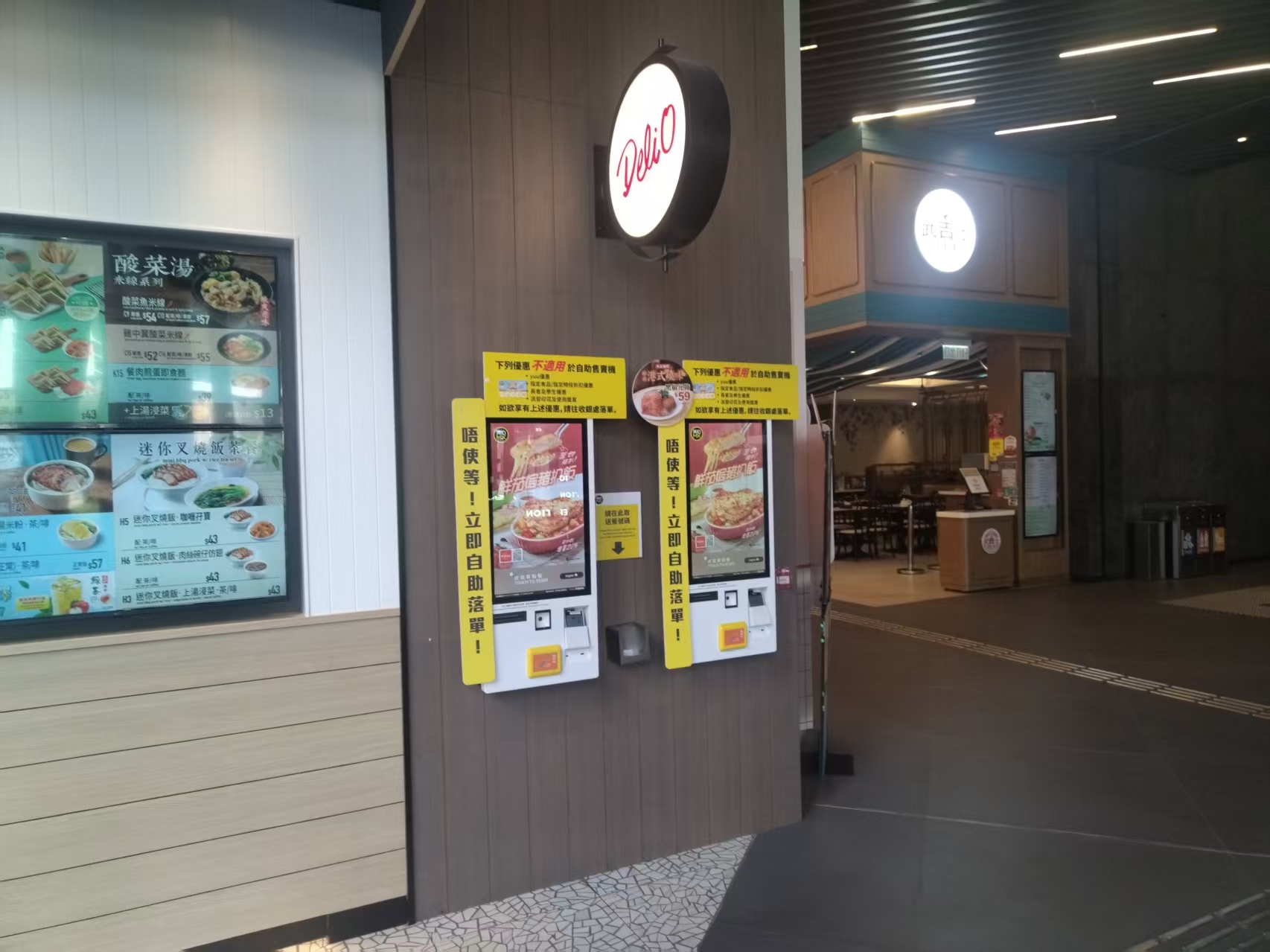
In the fast-paced airport environment, travelers often face the dual challenges of tight schedules and limited choices. In fast-food restaurants like an airport quick-service restaurant and a quick-service restaurant, we often see several 32-inch self-ordering kiosks placed at the entrance for guest convenience. Even in today’s Chinese market, where QR-code ordering is booming, these fast-food restaurants still use self-ordering kiosks, which naturally carry unique dining-experience advantages.
Advantages of the 32-Inch Self-Ordering Kiosk over QR-Code Ordering
1. A friendlier experience.
Whether self-ordering kiosks or QR-code ordering, the goal is to relieve front-counter pressure from heavy traffic. The kiosk sits at the store entrance – when idle, guests can start operating it the moment they walk in. The bigger screen makes for a better experience.
2. High focus, improved efficiency.
QR-code ordering requires finding a seat first, then opening an app on your phone – other notifications on the phone often greatly extend the ordering time. The self-ordering kiosk lets people concentrate on ordering and complete it faster, improving time efficiency and reducing the revenue losses that individual dawdling causes restaurants at peak hours.
3. Elevated brand image.
QR-code ordering is mostly used by small eateries, while large restaurants typically have servers take orders. Mid-size fast-food restaurants are perfectly suited to deploying a few self-ordering kiosks: they serve as a storefront highlight, boost guests’ image of the restaurant, optimize the ordering experience, and – with an added loyalty points system – attract repeat visits. Multiple benefits in one move.
4. Advertising placement.
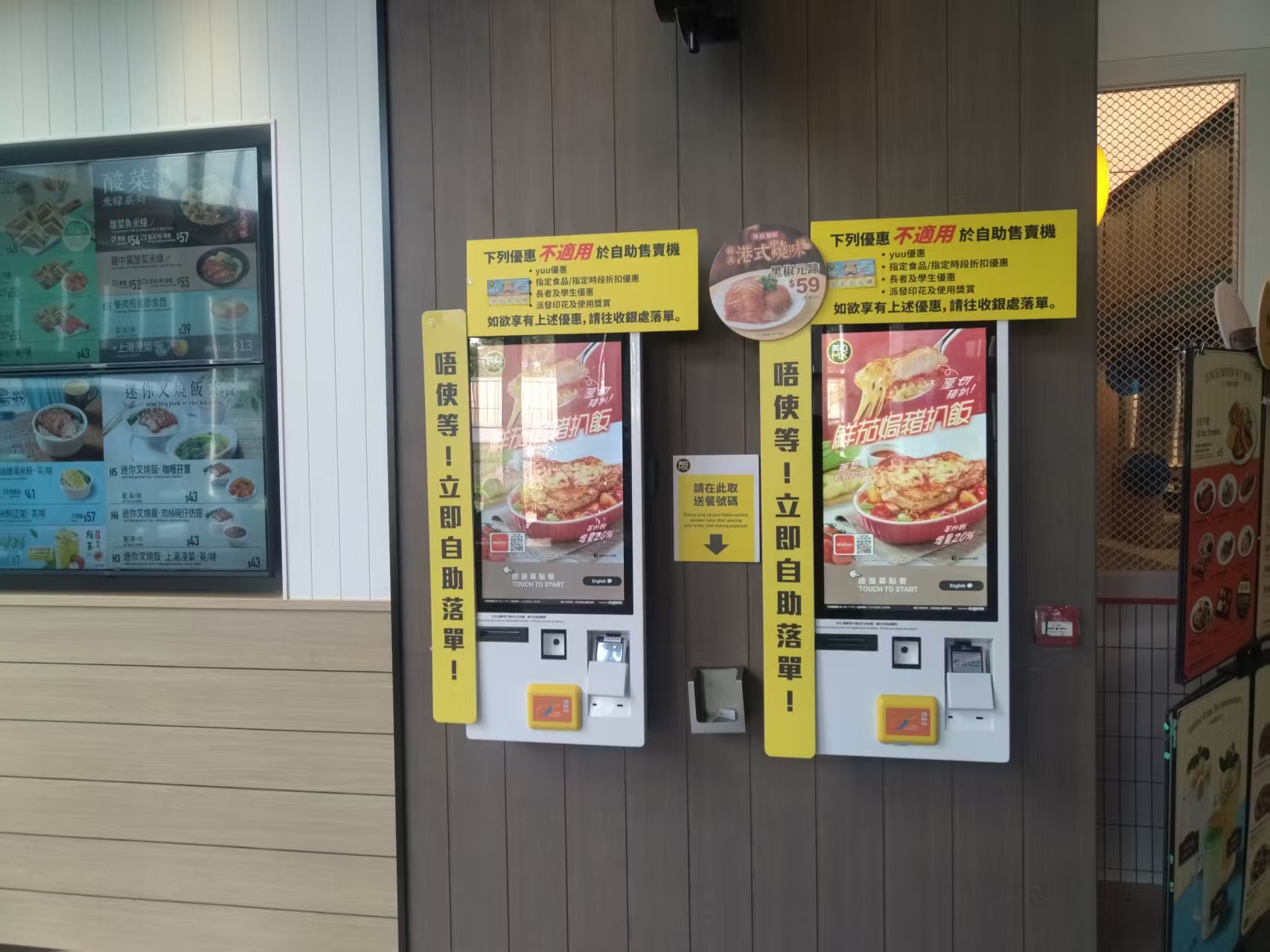
Fast-food restaurants often launch new items to test their popularity, and at such times the kiosk doubles beautifully as an advertising display. Playing attractive promotional posters on the screen catches guests’ eyes at a glance, boosting conversion for new-item trials and helping the restaurant find more profitable menu items.
5. Higher security and privacy.
With QR-code ordering, guests often encounter platforms that require following official accounts or obtaining location, phone number, nickname, avatar, and other information unrelated to the purchase – making ordering cumbersome, hurting the user experience, and reducing the likelihood of a return visit. The self-ordering kiosk avoids all of this.
6. No platform commission fees.
The self-ordering kiosk integrates with the store’s own system – just order directly. QR-code ordering, by contrast, mostly relies on third-party platforms for payment channels, so every transaction incurs a handling fee – a considerable expense for restaurant operators over time.
Self-Ordering Kiosks in Airports and Other Public Spaces Help Maintain Brand Elegance
In high-speed rail stations, airports, and upscale public areas, the design of self-ordering kiosks blends better into the surroundings, delivers a stronger sense of technology and style, and genuinely improves the ordering experience – which is why restaurants in these locations are often equipped with 32-inch self-ordering kiosks.
By introducing 32-inch self-ordering kiosks, restaurants have not only greatly improved service efficiency and guest satisfaction, but also set a model for the fast-food industry’s digital transformation.
Practical Conclusion
An airport self ordering kiosk can present a clear menu, support multiple languages and help quick-service restaurants manage concentrated passenger demand. The final configuration should be verified against the real menu, transaction flow, installation space and support plan before deployment.
Deployment and Operating Checks
Planning for airport self ordering kiosk should begin with the actual service flow rather than a generic demonstration setup. Before launch, test the workflow associated with airport self ordering kiosk during realistic peak demand and confirm how staff will assist users. Documentation for airport self ordering kiosk should cover cleaning, updates, network recovery and peripheral checks. A deployment involving airport self ordering kiosk should pass consistent information to payment and back-office systems.
Explore related hardware configurations in the self-service kiosk product range.