Hotel Self-Check-in Kiosk Efficiency: The Efficiency Illusion of Self-Service Check-In Kiosks: Machines Standing By While Long Queues Remain at the Front Desk?
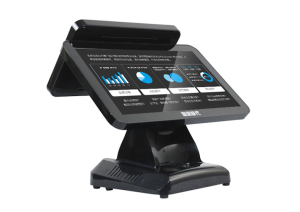
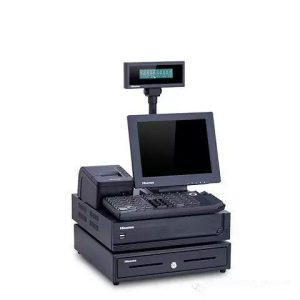
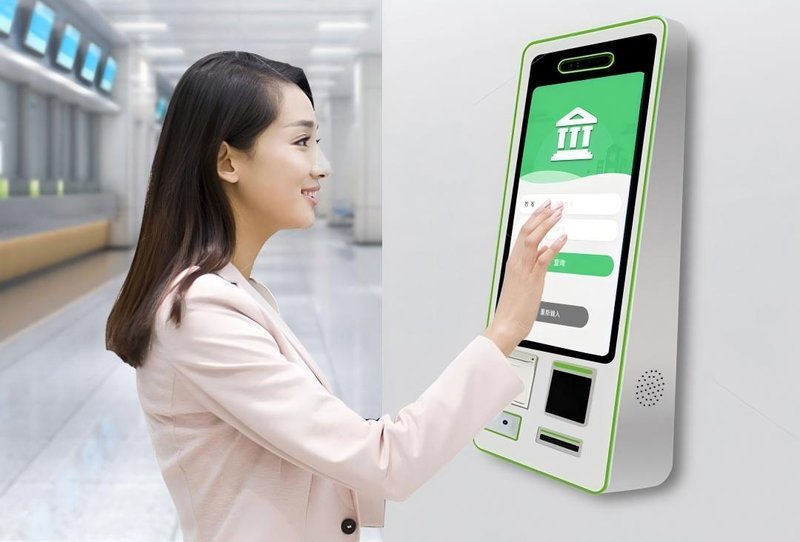
Deploying a high-performance Hotel Self-Check-in Kiosk Efficiency provides commercial dining and retail venues with an advanced automated workflow. In recent years, an increasing number of hotels have introduced self-service check-in kiosks, hoping to alleviate front desk pressure and improve check-in efficiency through digital equipment.
From a functional standpoint, self-service check-in kiosks can indeed assist guests with identity verification, information registration, room card dispensing, and other tasks, thereby reducing certain manual processes. However, in practical applications, some hotels have found that front-desk queuing does not completely disappear after installation, and kiosk utilization rates often fall short of expectations.
This scenario does not imply that self-service check-in kiosks lack value; rather, it highlights that hardware deployment is merely one component of a hotel’s digital upgrade. What truly determines operational effectiveness includes kiosk placement, system integration, operational workflows, and user experience design.
Self-Service Check-In Kiosks Are Not a Simple Replacement for the Front Desk
When planning self-service check-in equipment, many hotels focus primarily on “reducing manual labor.”
In reality, however, the role of self-service check-in kiosks is not to completely replace front desk staff, but rather to share repetitive administrative workloads.
For example:
Fast-track check-in for guests who have already completed reservations;
Diverting queue traffic during peak check-in hours;
Providing 24/7 self-service convenience;
Eliminating redundant front-desk data entry.
For hotels, self-service check-in kiosks serve as an extension and supplement to front-desk service workflows rather than isolated, standalone devices.
If a hotel adheres strictly to its original manual workflows without optimizing the check-in journey, the kiosks may fail to deliver their intended value, even after installation.
Low Kiosk Utilization May Be Linked to Deployment Strategy
In real-world deployments, the physical placement of self-service check-in kiosks directly affects their usage rates.
If kiosks are installed in inconspicuous corners or lack clear directional signage, guests may not even realize that self-service check-in options are available.
Furthermore, some hotels position self-service kiosks directly adjacent to the front desk without optimizing staff guidance. When arriving guests step into the lobby, their instinctive reaction is still to approach a staff member rather than interact with a machine.
Therefore, the success of self-service check-in kiosks depends not only on the hardware itself, but also on thoughtful spatial layout and service workflow design within the hotel lobby.
Operational Workflows Directly Impact User Experience
The core value proposition of self-service check-in kiosks is accelerating check-in efficiency. However, overly complicated operational steps can actually increase guest wait times.
Common friction points include:
Excessive identity verification steps;
Sluggish system response times;
Unclear UI navigation and instructions;
Inability to resolve exceptions and errors promptly.
In hotel environments, kiosk operation must be as intuitive and effortless as possible.
Particularly in tourist and business hotels, guests often arrive carrying heavy luggage or feeling fatigued. Convoluted operation processes significantly diminish their willingness to use the kiosks.
Consequently, when designing self-service check-in kiosks, priority must be given to software UI design, human-computer interaction, and real-world usage habits.
System Integration Capability Defines Kiosk Value
A self-service check-in kiosk is far more than a standalone display terminal; it must interface seamlessly with hotel management systems.
These integrations encompass:
Hotel Property Management Systems (PMS);
Central Reservation Systems / Order management systems;
Identity verification and authentication platforms;
Keycard encoding and management systems.
If the kiosk fails to connect effectively with the hotel’s existing backend systems, many processes will still require manual staff intervention, eroding the efficiency advantages of self-service technology.
Therefore, when selecting a self-service check-in kiosk manufacturer or vendor, hotels must evaluate not only the exterior design and hardware specifications, but also system compatibility and API connectivity.
Front-Desk Queues Are Not Necessarily a Hardware Problem
During peak check-in hours, queuing is typically driven by a combination of factors.
For instance:
A surge of simultaneous guest arrivals;
Insufficient room readiness and housekeeping turnover;
Protracted identity verification and registration procedures;
Special requests requiring manual staff intervention.
Self-service check-in kiosks primarily handle standardized, routine check-in workflows. For scenarios requiring personal communication—such as room upgrades, bespoke requests, complaints, and inquiries—human staff remain indispensable.
A balanced approach delegates standardized processes to self-service kiosks, freeing staff to focus on delivering high-touch, complex customer care.
How to Ensure Self-Service Check-In Kiosks Deliver Real Results
For hotel operators and decision-makers, comprehensive planning is essential before introducing self-service check-in kiosks.
First, analyze the hotel’s current check-in journey to identify which touchpoints are best suited for automation.
Second, select a kiosk solution tailored to the hotel’s specific operational needs, evaluating:
Screen size;
Touchscreen responsiveness and display performance;
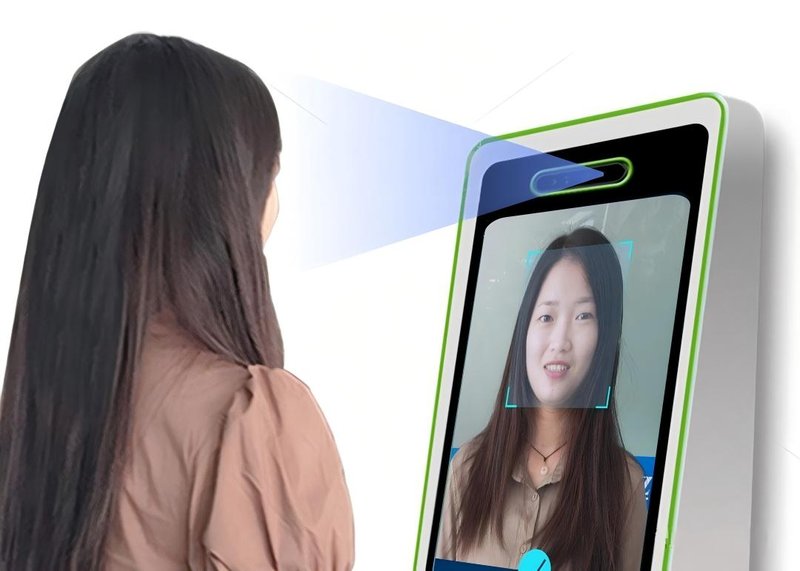
Identity recognition methods;
Keycard dispensing mechanisms;
Software API and system interface support.
Additionally, once the kiosks are deployed, continuously optimize the user journey through prominent signage, proactive staff guidance, and ongoing guest feedback.
Only when hardware, software systems, and service workflows are closely integrated can self-service check-in kiosks genuinely boost hotel operating efficiency.
Future Trends in Self-Service Check-In Kiosks
As the hospitality industry accelerates its digital transformation, self-service equipment is evolving from single-purpose check-in tools into multifunctional service hubs.
Future self-service check-in kiosks will not only handle check-in and checkout, but also integrate:
Hotel facility and amenity queries;
Promotions and recommendations for on-site services;
Local area travel guides and dining recommendations;
AI-powered smart customer service;
Multilingual interactive support.
Through broader functional integration, self-service check-in kiosks will become an integral pillar of the modern hotel’s digital service ecosystem.
Conclusion
Self-service check-in kiosks cannot automatically eliminate front-desk queues simply by being installed.
Their true value depends on whether the hotel conducts thorough upfront planning, encompassing strategic kiosk placement, backend system integration, streamlined operational workflows, and service model restructuring.
For hotels, selecting the right self-service check-in kiosk solution and continually optimizing it around real operational demands is the key to accelerating check-in speed and elevating overall guest satisfaction.
FAQ: Frequently Asked Questions About Self-Service Check-In Kiosks
Q1: Can self-service check-in kiosks completely replace hotel front desk staff?
Most hotels today do not eliminate front desks entirely. Self-service check-in kiosks are primarily used to handle standardized check-in workflows and boost throughput, allowing front-desk personnel to concentrate on personalized guest requests and complex service needs.
Q2: Do self-service check-in kiosks need to connect to hotel management systems?
Yes. To perform functions such as reservation lookup, identity verification, and keycard encoding, self-service check-in kiosks must be integrated with the hotel’s backend systems, such as the Property Management System (PMS).
Q3: Which types of hotels are best suited for self-service check-in kiosks?
Self-service check-in kiosks are well suited for business hotels, hotel chains, serviced apartments, unmanned/smart hotels, and any hospitality properties seeking to modernize their digital service standards.
Q4: What key factors should hotels consider when installing self-service check-in kiosks?
Hotels should evaluate physical installation location, user operational flow, system compatibility, touchscreen user experience, and ongoing after-sales technical maintenance and support. In summary, integrating a reliable Hotel Self-Check-in Kiosk Efficiency solution reduces operational labor costs, shortens customer wait times, and maximizes store throughput.
Looking for customized Hotel Self-Check-in Kiosk Efficiency hardware, commercial touchscreen displays, or OEM/ODM self-service solutions? Feel free to contact the ZXTLCD engineering team for free consultations, product specifications, and tailored volume pricing.
Deploying a Self-Service Solution?
To elevate customer experience and streamline ordering or ticketing workflows, explore our AI Self Service Terminal with Large Touchscreen or the versatile Self Service Kiosk for Cinema & Ticketing. For custom hardware integrations, discover our complete line of Custom Self-Service Kiosks or consult our engineering team for sample evaluation.