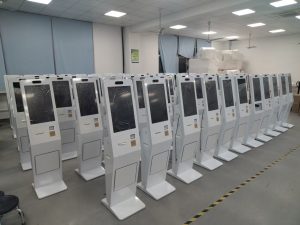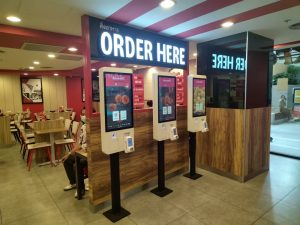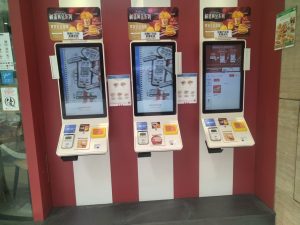
The strongest cafeteria deployments align the screen flow, payment method and meal collection process with actual traffic patterns.
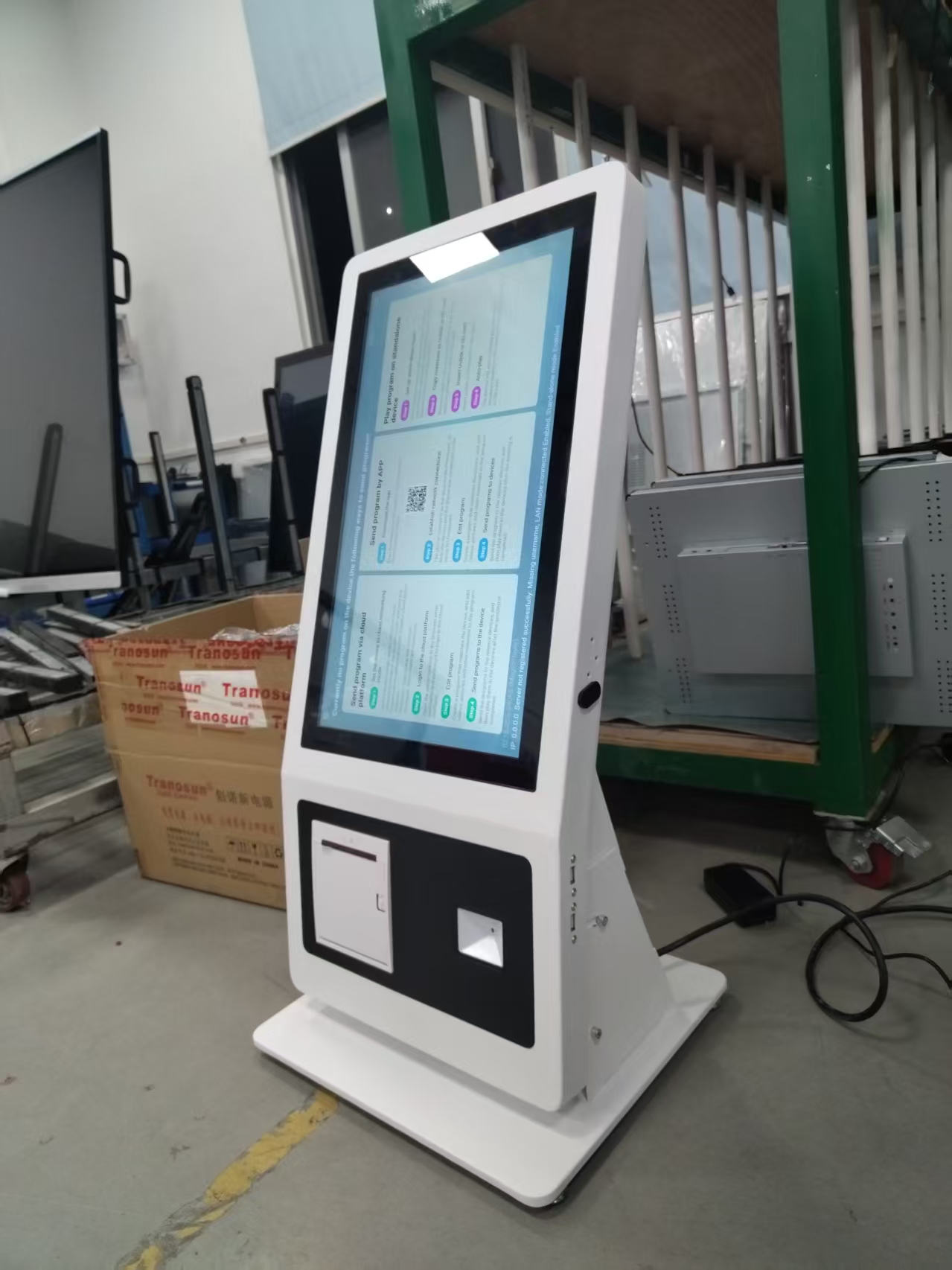
In busy modern life, time is money. To save precious time, more and more people are seeking more convenient ways to dine. Against this backdrop, ordering kiosks have emerged as part of the smart cafeteria. This article takes an in-depth look at what ordering kiosks are, their functions, and the many advantages they bring to cafeteria management.
Functions of Ordering Kiosks
1. Self-ordering and customization: Ordering kiosks are smart devices that allow guests to browse the menu and place orders on their own, and even customize dishes according to personal taste and dietary needs. This function increases ordering freedom and reduces communication barriers when ordering.
2. Multiple payment methods: These self-service devices typically support a variety of payment methods, including credit cards, mobile payments (such as mobile wallet and QR payment), mobile apps, and even cash. This variety gives guests more options and makes payment more convenient.
3. Fast settlement and accurate billing: Ordering kiosks can process orders quickly, calculate prices accurately, and generate detailed bills. This reduces the risk of server errors and improves settlement accuracy.
4. Multi-language support: For international travelers or people from different language backgrounds, ordering kiosks usually offer multi-language support, ensuring every guest can order with ease.
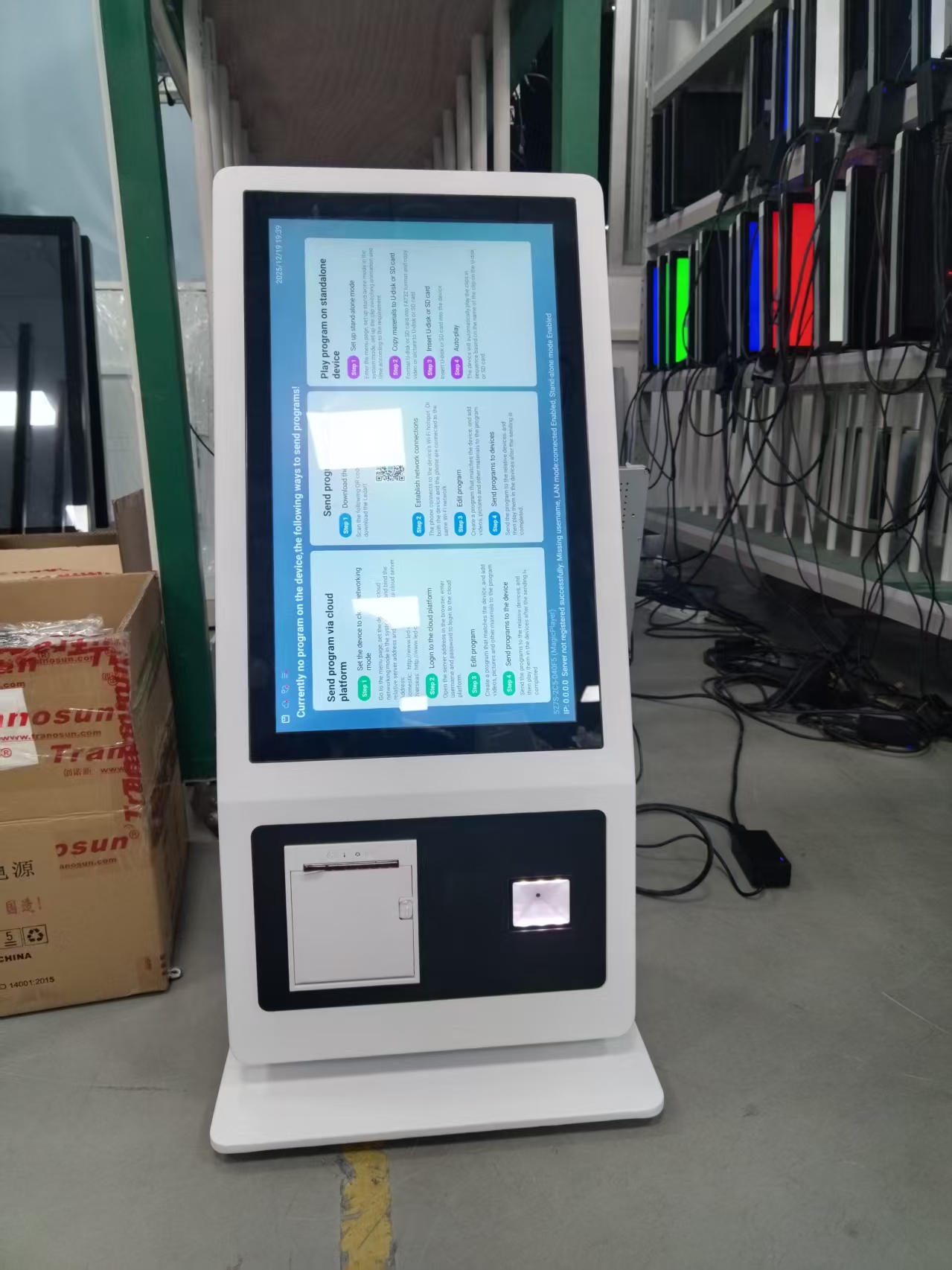
Advantages of Ordering Kiosks
1. Improved efficiency: Ordering kiosks speed up the ordering and settlement process, reduce guest waiting time, and improve cafeteria operating efficiency.
2. Better user experience: guests can select from the menu at their own preference and pace, without queuing during busy periods. This convenience and autonomy improve the user experience.
3. Lower costs: Ordering kiosks reduce the workload of service staff and can decrease staffing needs during peak periods, thereby lowering costs.
4. Fewer errors: Because ordering kiosks automatically calculate prices, complaints and disputes caused by human error are reduced.
Conclusion
Ordering kiosks have become an indispensable technology in modern cafeteria management. They improve efficiency, enhance the user experience, lower costs, and reduce errors. As technology continues to advance, ordering kiosks are expected to be widely adopted in more restaurants and cafeterias, delivering better service to guests and businesses alike. Investing in ordering kiosks is not only a smart choice for efficiency – it also brightens the future of the cafeteria.
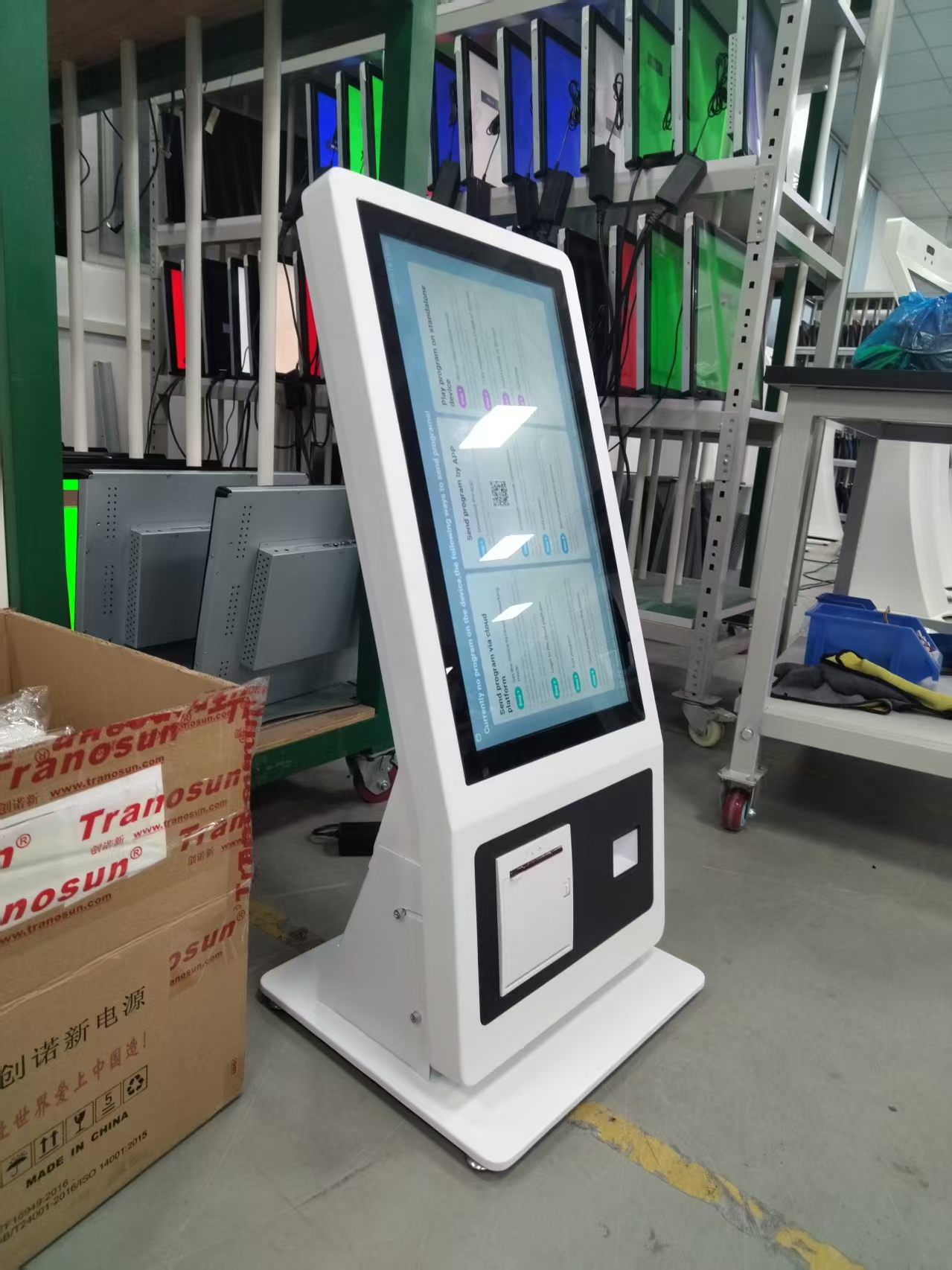
Practical Conclusion
See how a cafeteria ordering kiosk can reduce peak-hour queues, standardize order information and support efficient meal preparation and collection. The final configuration should be verified against the real menu, transaction flow, installation space and support plan before deployment.
Deployment and Operating Checks
Planning for cafeteria ordering kiosk should begin with the actual service flow rather than a generic demonstration setup. Before launch, test the workflow associated with cafeteria ordering kiosk during realistic peak demand and confirm how staff will assist users. Documentation for cafeteria ordering kiosk should cover cleaning, updates, network recovery and peripheral checks. A deployment involving cafeteria ordering kiosk should pass consistent information to payment and back-office systems.
Explore related hardware configurations in the self-service kiosk product range.