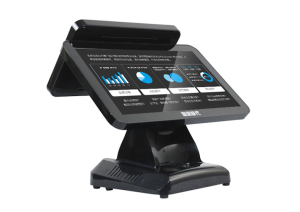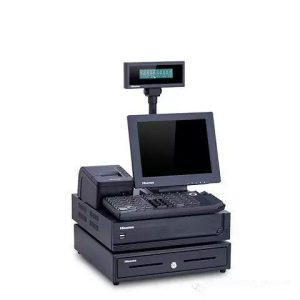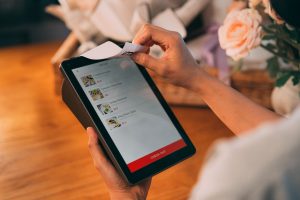
Deploying a modern Commercial Self-Ordering Kiosk has become a vital strategic step for businesses aiming to optimize workflow. With the rapid digital transformation of the catering industry, self-service ordering kiosks are becoming essential smart hardware for restaurants seeking to upgrade service workflows and elevate operational efficiency. By deploying self-service ordering kiosks, dining establishments can reduce traditional manual order-taking bottlenecks while providing consumers with a faster, more convenient dining experience.
So, what key features do self-service ordering kiosks offer? And how exactly do they help restaurants optimize business efficiency?
Commercial Self-Ordering Kiosk: What Key Features Do Self-Service Ordering Kiosks Offer?
Self-service ordering kiosks are primarily designed for interactive ordering and payment services in dining environments. Customers simply interact with the large touchscreen display to browse the digital menu, select their favorite dishes, and complete their order.
Compared to traditional manual ordering methods, self-service kiosks empower customers to navigate the entire ordering journey independently, while utilizing the large, vivid display to present richer, more appetizing dish information.
1. Flexible Customization of Flavors and Preferences
When diners have specific dietary preferences or special requests, they can customize flavors, toppings, or add order notes directly on the touchscreen interface based on restaurant settings.
This digital ordering workflow logs customer preferences directly onto the ticket, eliminating miscommunications common in verbal ordering and ensuring precise order accuracy.
2. Seamless and Convenient Self-Checkout
Self-service ordering kiosks can be configured with diverse payment options tailored to the restaurant’s operational setup. Once dish selection is finalized, diners can complete payment immediately following intuitive on-screen prompts.
Integrating ordering and billing into a single device eliminates unnecessary waiting across different service counters, making the entire dining workflow smooth and efficient.
3. Dynamic Promotions and Combo Configurations
Restaurants can configure dishes, combos, and marketing campaigns in real time according to their business strategies.
For example, member pricing, bundled discounts, and limited-time promotional deals can be highlighted across the digital menu, helping operators actively promote signature dishes and high-margin combos with ease.
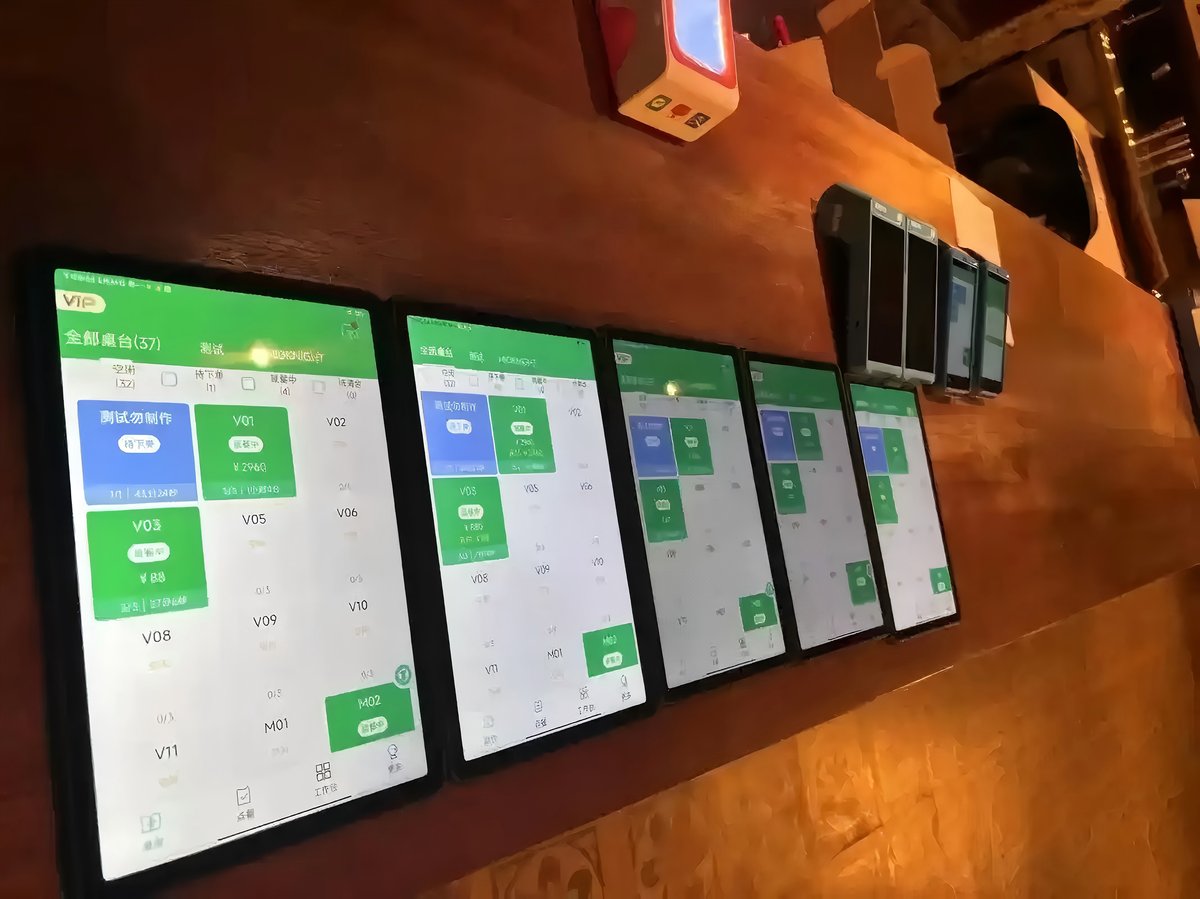
4. Integrated Digital Signage Advertising
The large commercial display on the self-service kiosk not only serves as a menu board, but also doubles as a high-impact advertising screen based on marketing needs.
The home screen, idle standby display, category headers, and confirmation screens can all be leveraged to showcase new arrivals, combo specials, promotional events, or brand stories.
Showcasing engaging promotional content throughout the ordering journey maximizes screen real estate and unlocks high-conversion digital marketing touchpoints for the venue.
What Is the Difference Between Self-Service Kiosks and Mobile QR Ordering?
While both self-service kiosks and mobile QR code systems enable digital ordering, their primary application scenarios differ.
Mobile QR ordering is generally ideal for full-service restaurants where customers have already entered and taken their seats. Guests can comfortably browse the menu and order right from their own smartphones at the table.
In contrast, self-service kiosks are uniquely suited for dining venues that do not require complex table seating management—such as fast-food restaurants, casual eateries, food courts, and cafeteria-style concepts.
Upon entering, customers can proceed directly to the self-service kiosk to place orders and settle payments, before finding a seat or moving straight to the expediting counter to collect their meal.
This model bypasses traditional counter bottlenecks, making the journey from entering the door to completing the order direct and frictionless.
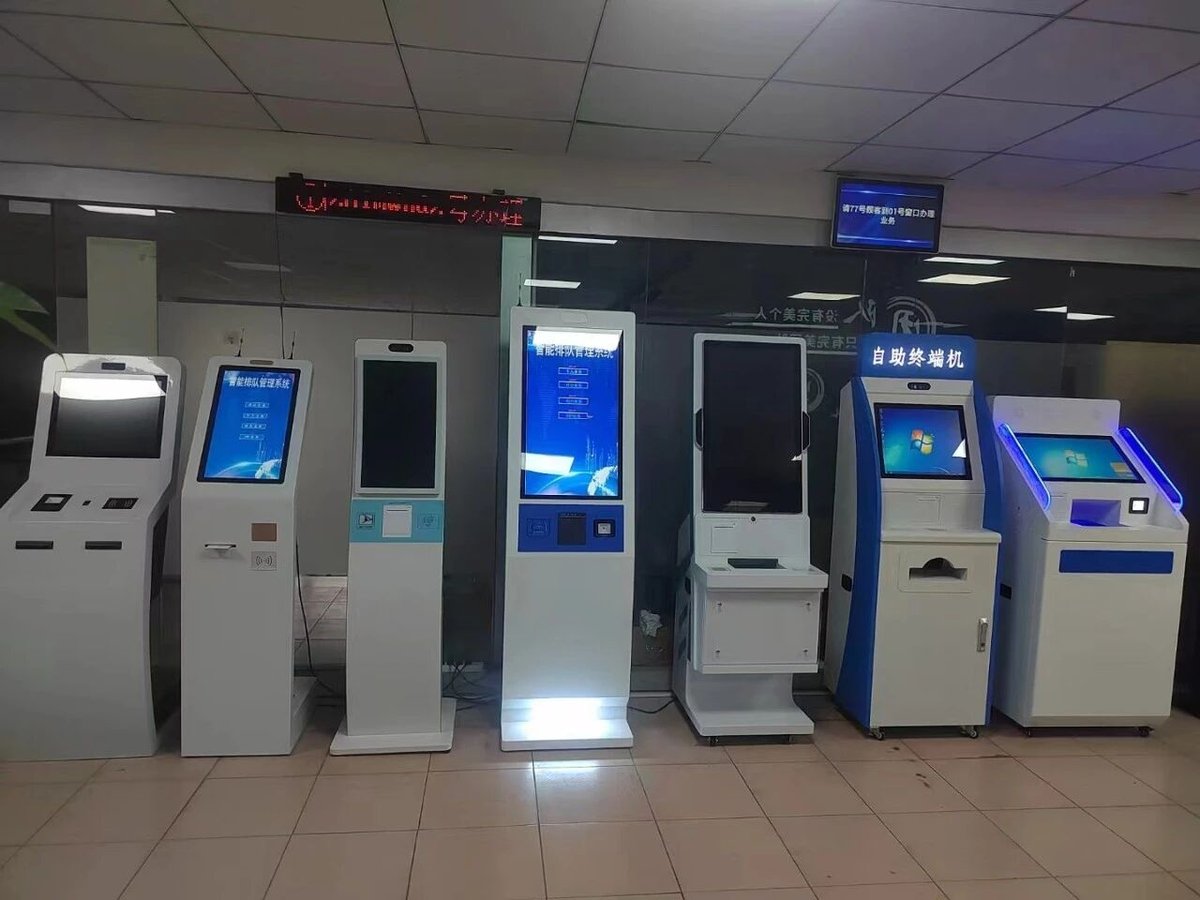
How Do Self-Service Kiosks Help Restaurants Boost Business Efficiency?
Self-service ordering kiosks optimize restaurant operational workflows across multiple dimensions:
First, self-service kiosks take over standard order-taking and cashiering duties, reducing repetitive manual labor and enabling restaurants to optimize staff allocation.
Second, the fast, intuitive ordering process significantly shortens customer queues and wait times. When diners can browse menus, customize dishes, and pay independently, the restaurant can process multiple orders concurrently, substantially boosting overall table turnover and throughput.
For high-traffic dining venues, this is particularly impactful. A more efficient ordering workflow relieves peak-hour counter pressure and dramatically elevates customer dining satisfaction.
Furthermore, self-service kiosks support wall-mounted installation, fulfilling full ordering functionality while preserving zero floor footprint. For space-constrained restaurants, making strategic use of wall surfaces ensures maximum agility in floor plan layout.
ZXTLCD Self-Service Ordering Kiosks
ZXTLCD self-service ordering kiosks feature large high-definition commercial touchscreens that integrate menu display, self-service ordering, digital payment, and commercial signage advertising into one unified platform.
Customers can intuitively explore dishes, customize selections according to menu details, and finalize orders and payments via the touchscreen based on store configurations.
The digital UI vividly presents food photography, pricing, taste specifications, combo packages, and promotional discounts, allowing guests to effortlessly grasp menu offerings at a glance.
ZXTLCD self-service kiosks support both floor-standing and wall-mounted form factors to accommodate diverse interior layouts. The wall-mounted configuration conserves valuable floor space, making it ideal for fast-food outlets, restaurants, food courts, cafeterias, and various commercial dining spaces.
For restaurant operators, the kiosk serves not only as an ordering terminal, but also as an indispensable pillar of their digital marketing and customer service ecosystem. Leveraging dish showcases, promotional banners, and multimedia ad capabilities, restaurants can fully harness digital displays to drive merchandising.
Self-Service Kiosks: A Cornerstone of Smart Restaurants
As commercial display technology, digital operations, and artificial intelligence continue to advance, the catering industry is steadily evolving toward smarter, more automated business models.
Self-service ordering kiosks seamlessly bridge menu presentation, ordering, payment processing, and kitchen fulfillment, helping restaurants eliminate redundant steps in traditional workflows and lift overall operational productivity.
For fast-food chains, restaurants, food courts, staff cafeterias, and diverse dining establishments, deploying self-service kiosks tailored to spatial conditions and operational needs optimizes service delivery while offering customers an autonomous, convenient, and modern dining experience.
ZXTLCD remains committed to advancing product innovations across commercial touch displays, self-service ordering terminals, and smart catering technologies—delivering agile, high-performance smart terminal solutions to food and beverage businesses worldwide. In summary, integrating the right Commercial Self-Ordering Kiosk provides long-term operational resilience, reduced labor friction, and enhanced customer satisfaction.
Looking for customized Commercial Self-Ordering Kiosk solutions, commercial touchscreen displays, or OEM/ODM self-service hardware? Feel free to contact the ZXTLCD engineering team for free consultations, product samples, and tailored technical specifications.
Deploying a Self-Service Solution?
To elevate customer experience and streamline ordering or ticketing workflows, explore our AI Self Service Terminal with Large Touchscreen or the versatile Self Service Kiosk for Cinema & Ticketing. For custom hardware integrations, discover our complete line of Custom Self-Service Kiosks or consult our engineering team for sample evaluation.