Regular care prevents dirt, heat and loose connections from turning small issues into avoidable downtime.

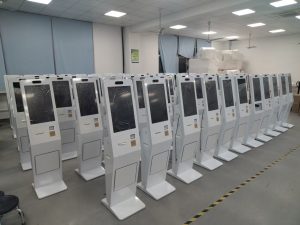
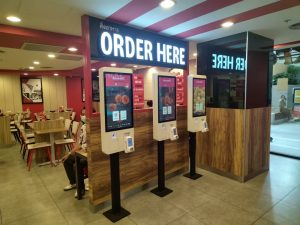
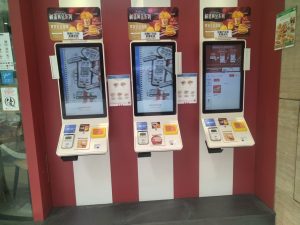
The self-ordering kiosk – a convenient ordering method – has been a capable workhorse for restaurant service since its debut. It not only shortens the time guests spend ordering but also improves the restaurant’s work efficiency. However, it is after all a man-made machine, and faults will appear after long use. To keep your self-ordering kiosk working normally every day without errors or failures, here we introduce some daily maintenance knowledge for self-ordering kiosks:
1. Clean regularly. Most self-ordering kiosks use powder-coated cement materials, so the interior of the body is susceptible to dust contamination – especially the power and heat-dissipation components. Dust accumulated over time is a burden that can easily cause operating failures. The cleaning method is to remove the kiosk’s outer shell and wipe it down with a damp cloth (if the shell is not easy to remove, contact your supplier).
2. Lubricate regularly. After long hours of work, the lubricant on the brake gears of the motor mechanism inside the self-ordering kiosk gets consumed. This causes the motor’s rotation speed to drop and may even produce some noise. Applying some lubricating oil to reduce friction solves this problem easily.
3. Do not strike the kiosk with hard objects or subject it to violent vibration – rough handling will damage the internal circuit boards and precision structures.
With the maintenance and care knowledge above, you should now clearly understand what should be done to maintain and service a self-ordering kiosk. That said, a reminder: self-ordering kiosks made by different manufacturers may differ slightly in specific maintenance requirements. Therefore, when purchasing a kiosk, you should choose reputable, larger-scale manufacturers. Buying a self-ordering kiosk of inferior quality could bring greater losses to your restaurant.
Practical Conclusion
Follow a self ordering kiosk maintenance routine covering screen cleaning, ventilation, cables, printers, software updates and service records. The final configuration should be verified against the real menu, transaction flow, installation space and support plan before deployment.
Deployment and Operating Checks
Planning for self ordering kiosk maintenance should begin with the actual service flow rather than a generic demonstration setup. Before launch, test the workflow associated with self ordering kiosk maintenance during realistic peak demand and confirm how staff will assist users. Documentation for self ordering kiosk maintenance should cover cleaning, updates, network recovery and peripheral checks. A deployment involving self ordering kiosk maintenance should pass consistent information to payment and back-office systems.
Explore related hardware configurations in the self-service kiosk product range.