How Industrial Touch Displays Balance Embedded Design and Display Performance: Technical Principles and Application Analysis
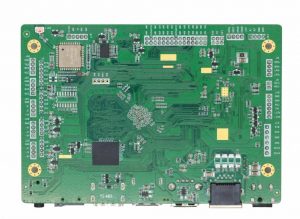
In industrial automation scenarios, embedded display devices are often simply regarded as scaled-down versions of ordinary monitors. In fact, their structural strength, interface compatibility, and environmental adaptability are the key factors affecting long-term stable operation. When users focus excessively on screen size and resolution, they often overlook the special requirements that embedded mounting places on thermal design and signal transmission stability.

Analysis of Working Principles and Core Structure
This product adopts a combined architecture of an LCD liquid crystal layer and a resistive touch film. The 369.9 x 293.9 mm 4:3 screen ratio design derives from the standard cutout dimensions of industrial equipment panels. The 13W low-power characteristic is achieved through optimization of the LED backlight module, while the 30ms response speed indicates the use of a standard refresh rate driver IC – a configuration that balances cost and reliability in non-moving-image scenarios. The coexistence of DVI/VGA/USB triple interfaces not only satisfies the signal compatibility needs of legacy equipment but also reserves extensibility for modern control systems.
How Technical Differences Affect Practical Applications
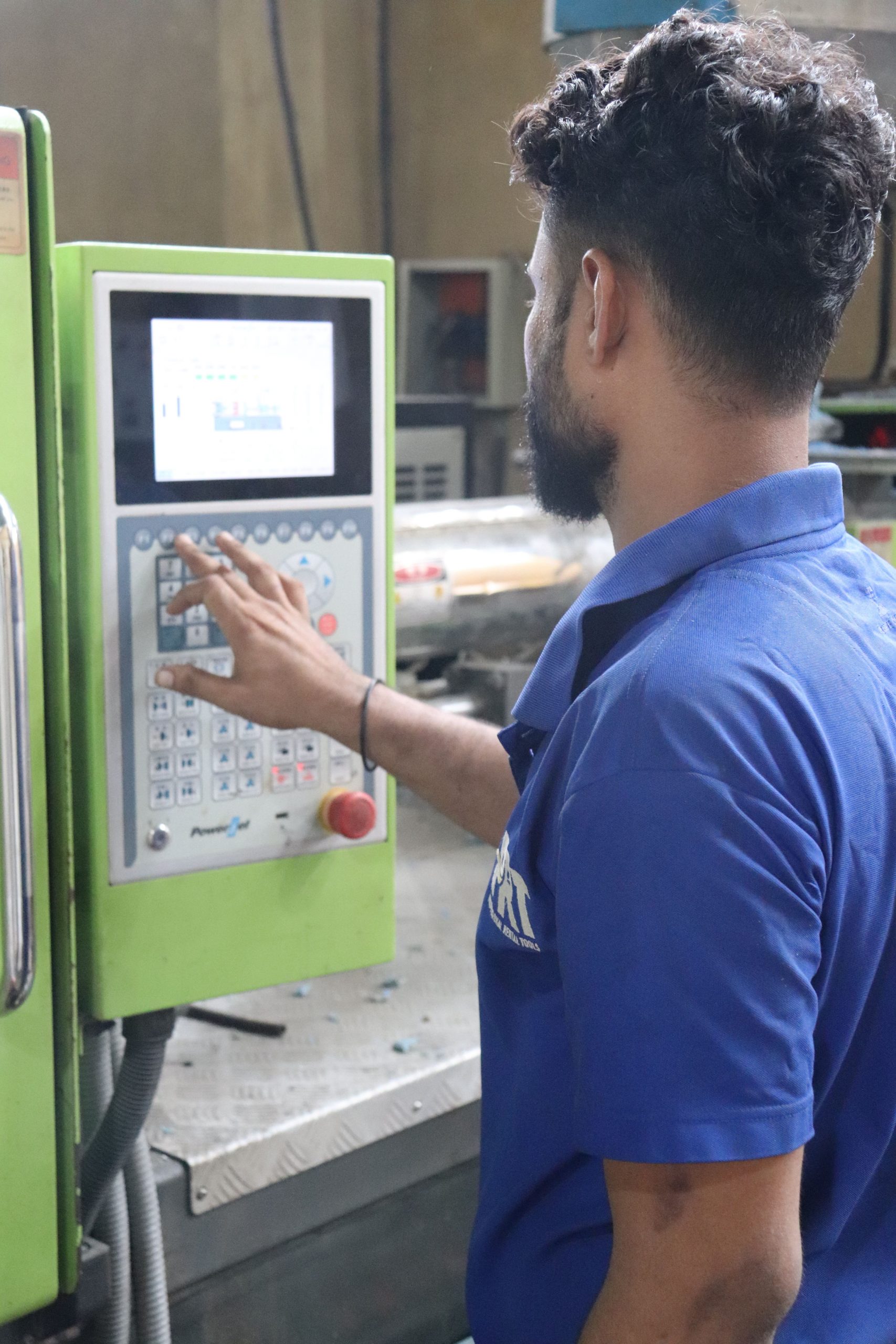
Compared with consumer-grade displays, the 1000:1 static contrast ratio is better suited to visibility requirements in strong-light environments. The ultra-slim 41.5mm body thickness requires a special metal-reinforced frame to maintain structural rigidity, which slightly increases weight but significantly improves vibration resistance. Although resistive touch offers lower precision than capacitive touch, it is more practical in industrial scenarios involving gloved operation or liquid contamination.
Application Scenarios and Evaluation Framework
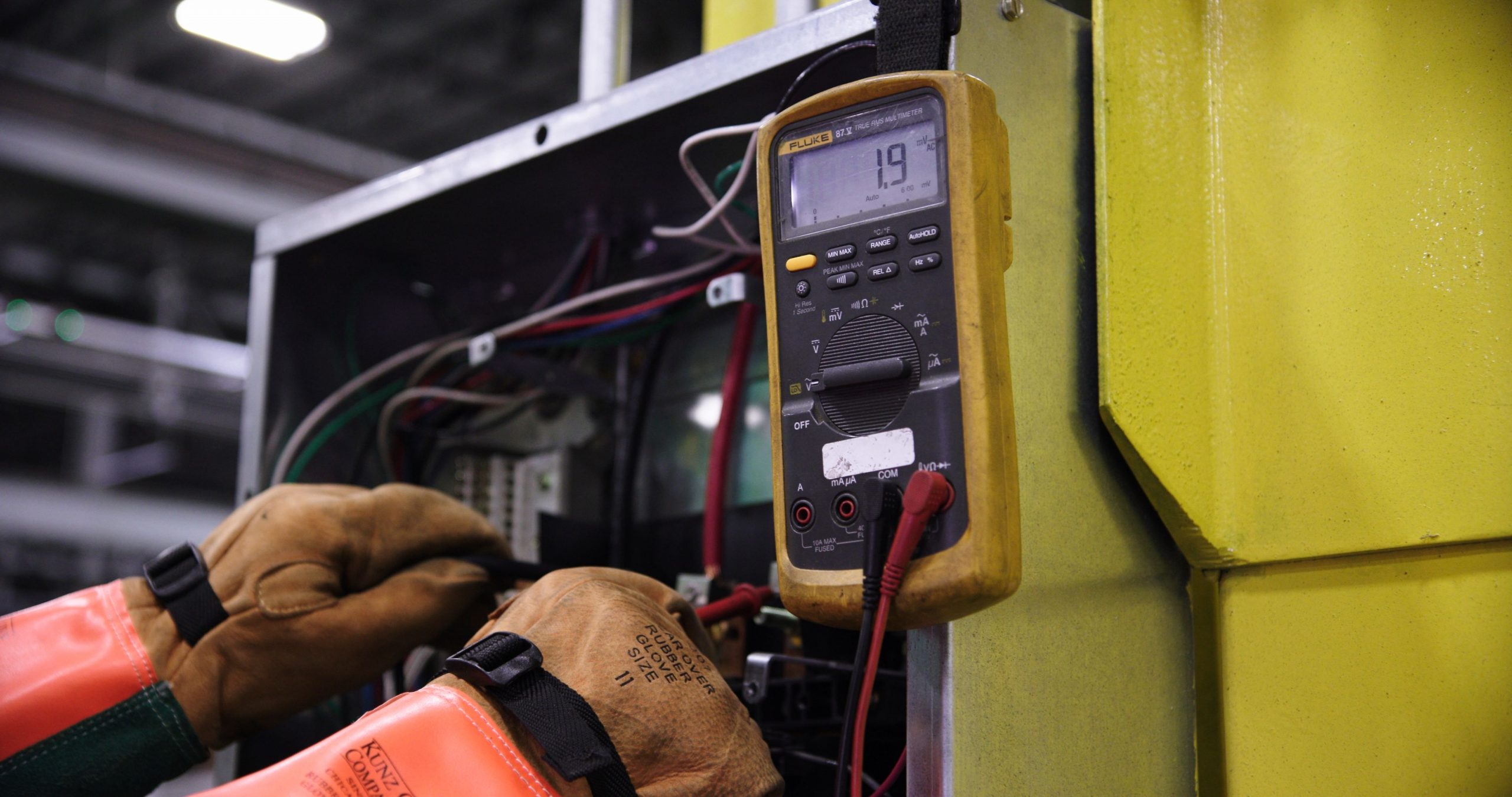
When evaluating such devices, focus on: 1) whether the mounting method matches the control cabinet panel thickness; 2) whether the interface types conform to the signal output standards of existing equipment; 3) whether the ambient illuminance of the working environment exceeds the screen's anti-glare capability; and 4) whether continuous operating time falls within the thermal design range. For operating positions requiring frequent touch input, it is advisable to additionally consider the importance of a scratch-resistant coating.
ZXTLCD can configure a industrial touch display around project-specific requirements such as panel size, brightness, touch technology, interfaces, mounting method, and environmental protection.
Looking for Reliable Industrial Displays?
If you need an industrial-grade touch monitor for harsh environments, control cabinets, or technical test benches, explore our 15.6-Inch Industrial Touch Screen Display or the compact 10.1-Inch PCAP Touch Monitor designed for precision equipment. You can also browse our full line of Custom Embedded Displays with complete OEM/ODM manufacturing support.