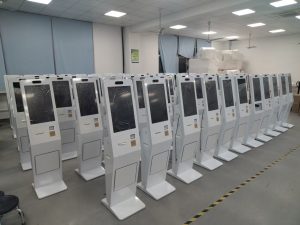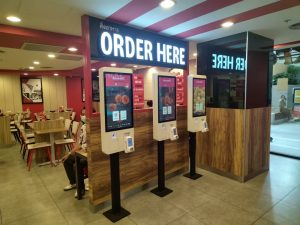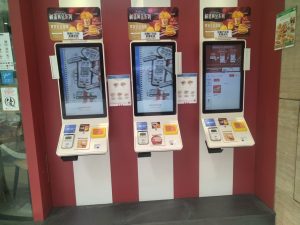
A well-planned cafeteria kiosk can make ordering easier for diners and reduce repetitive work for service teams.
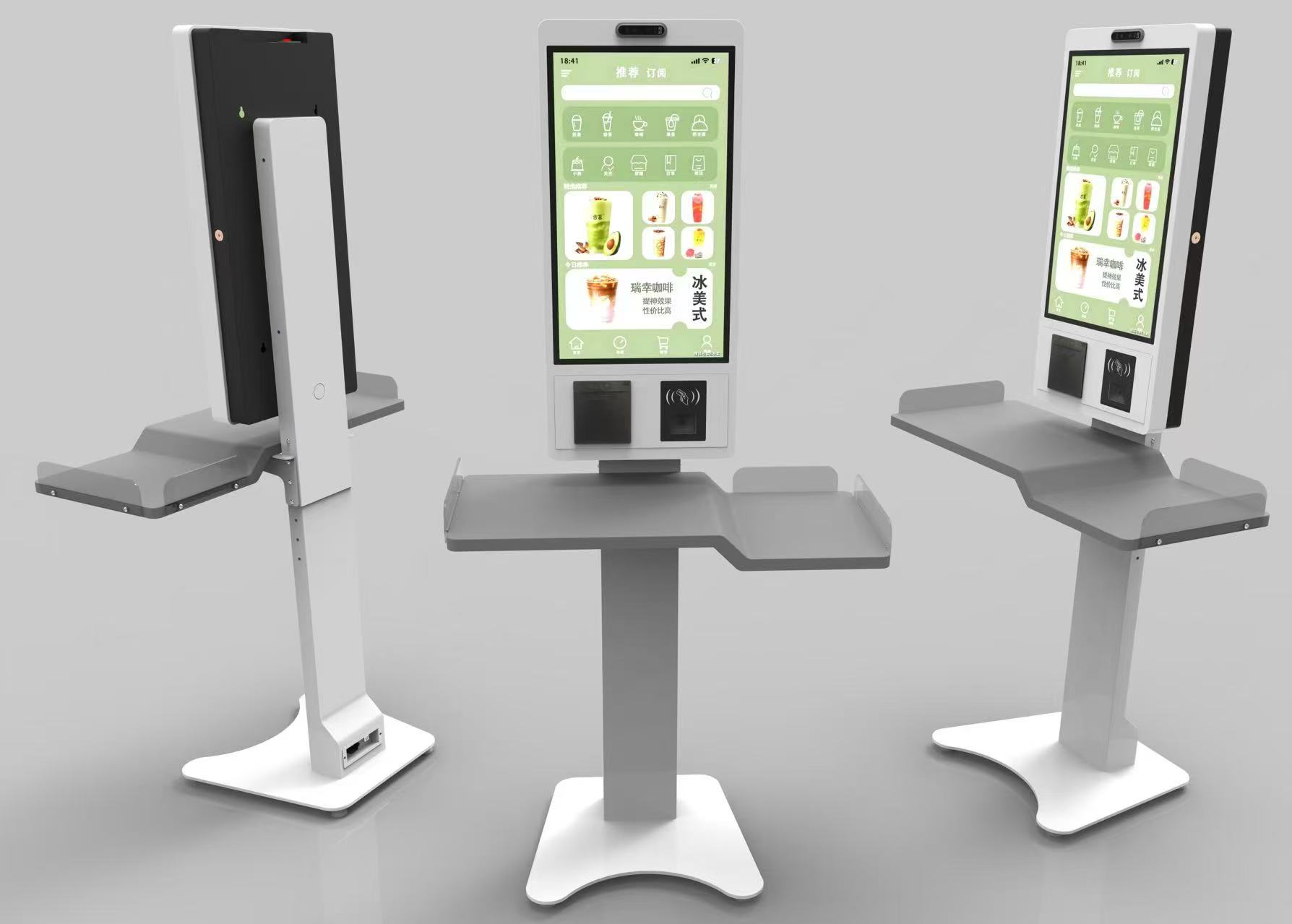
As the digital wave sweeps through the restaurant industry, the traditional manual ordering model is gradually being replaced by intelligent self-ordering systems. Floor-standing and countertop self-ordering kiosks, with their innovative functional design and outstanding user experience, are leading a revolution in cafeteria service models.
The floor-standing self-ordering kiosk, with its unique advantages of “freestanding design + large-screen interaction,” has become the benchmark of intelligence for large cafeteria venues. This smart terminal integrates ordering and settlement, self-service top-up, facial capture, nutrition inquiries, and more, achieving full self-service from ordering to payment. Its 27-inch high-definition touch screen not only provides an intuitive interface but, with intelligent voice guidance, ensures users of all ages can get started easily. Notably, its nutrition inquiry function can provide personalized dietary suggestions based on users’ historical consumption data, putting healthy eating within easy reach.
The countertop self-ordering kiosk excels with its “compact size + high performance,” perfectly fitting dining scenarios with limited space. Though only the size of an ordinary desktop computer tower, this device integrates a complete ordering and payment system, and its modular design allows function customization to suit different cafeterias’ needs.
Together, these two devices form a complete smart-dining ecosystem. On the payment experience side, both support mainstream payment methods – card, QR code, and facial recognition – and use financial-grade encryption to secure transactions. On data management, real-time consumption records and visualized reports help users keep track of spending while giving operators precise grounds for operational decisions. After a certain chain fast-food brand introduced the system, it achieved a remarkable 25% increase in guest satisfaction in just three months.
The value of the smart ordering system goes far beyond efficiency gains. Through accumulated user consumption data, restaurants can accurately grasp guest preferences and optimize menu structure; nutrition analysis features promote healthy eating concepts; and contactless operation better meets the hygiene requirements of the post-pandemic era. These innovative features are redefining the standards of modern restaurant service.
With the deep integration of 5G and AI technologies, future self-ordering systems will become even more intelligent and personalized. It is foreseeable that with further application of biometric technology, systems will deliver a seamless “face-scan-as-member” experience; with big-data analytics, every guest can receive tailored dish recommendations; and combined with IoT technology, intelligent linkage between the kitchen and front of house will become possible. This digital transformation of dining, led by self-ordering equipment, is painting a brand-new picture of smart dining in the future.
Practical Conclusion
Review smart cafeteria kiosk features that support fast ordering, cashless payment, menu updates and more predictable peak-period service. The final configuration should be verified against the real menu, transaction flow, installation space and support plan before deployment.
Deployment and Operating Checks
Planning for smart cafeteria kiosk should begin with the actual service flow rather than a generic demonstration setup. Before launch, test the workflow associated with smart cafeteria kiosk during realistic peak demand and confirm how staff will assist users. Documentation for smart cafeteria kiosk should cover cleaning, updates, network recovery and peripheral checks. A deployment involving smart cafeteria kiosk should pass consistent information to payment and back-office systems.
Explore related hardware configurations in the self-service kiosk product range.