Self-Service Kiosk Feasibility: Don’t Install Self-Service Ordering Kiosks Blindly: Why These Types of Stores Suffer Losses Instead
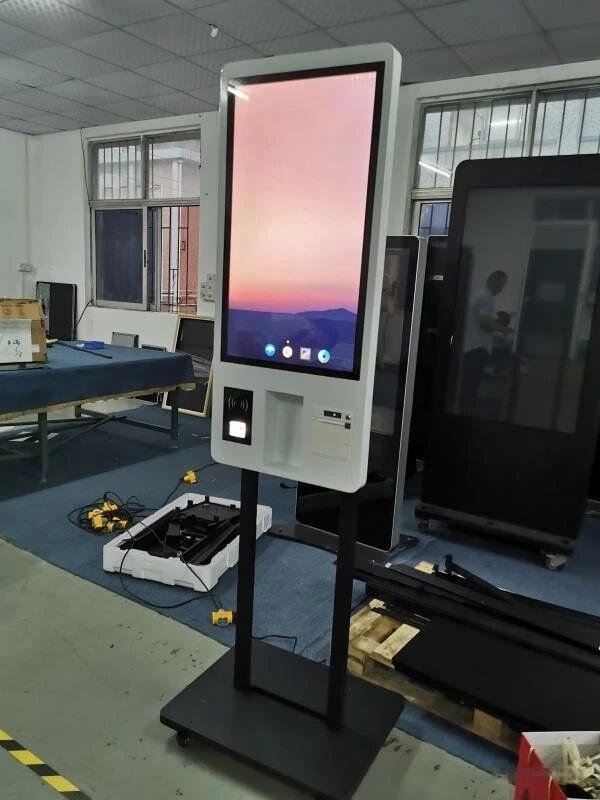
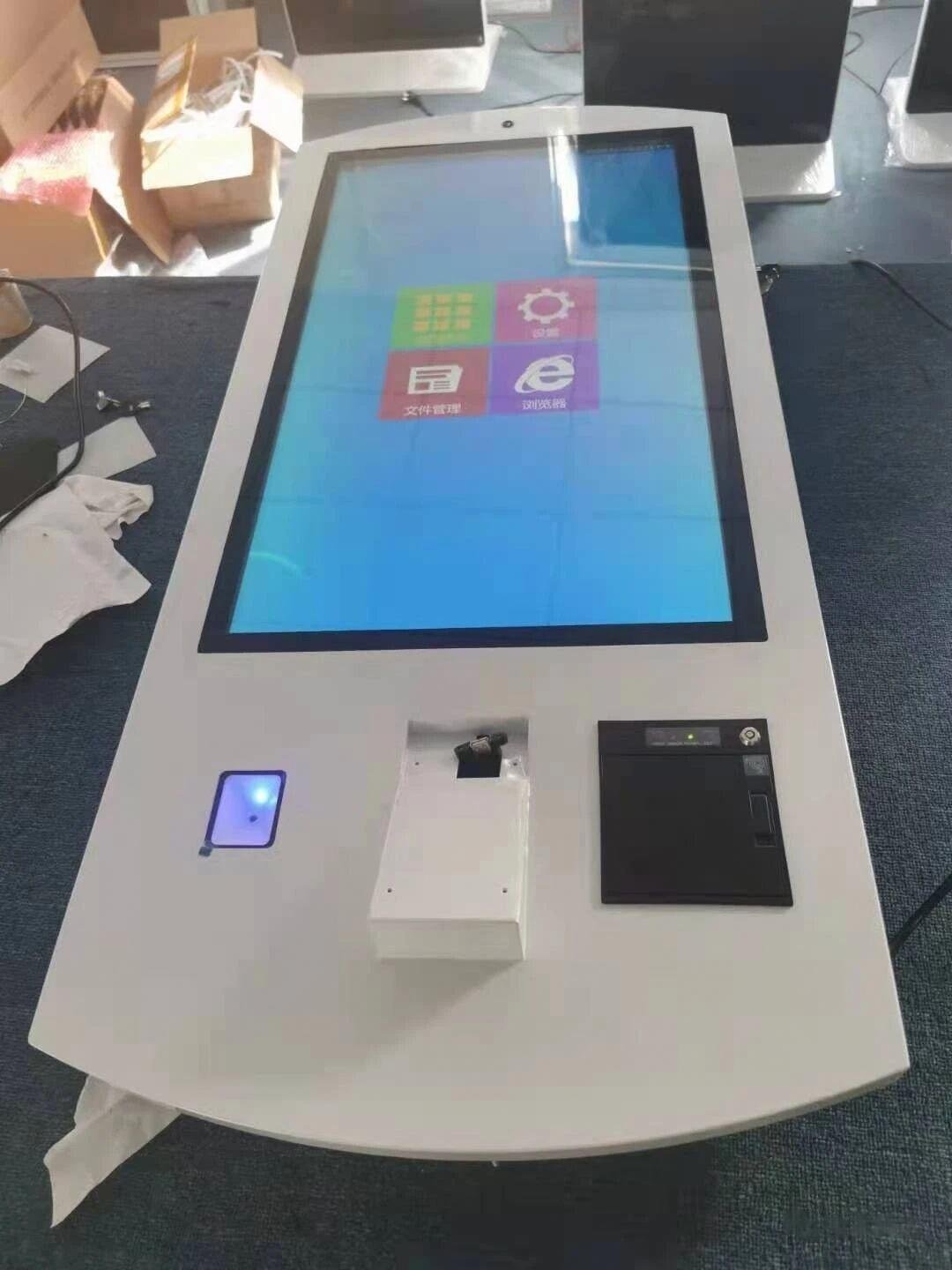
Deploying a modern Self-Service Kiosk Feasibility has become a vital strategic step for businesses aiming to optimize workflow. A fast-food restaurant next door installed a self-service ordering kiosk last month for 8,000 RMB. Passing by last weekend, I noticed the machine tucked away in a corner, draped with a dust cloth. The owner sighed: “We used it for a month, but customers couldn’t get the hang of it. During peak hours, it actually slowed things down. Now it’s just an expensive decoration.”
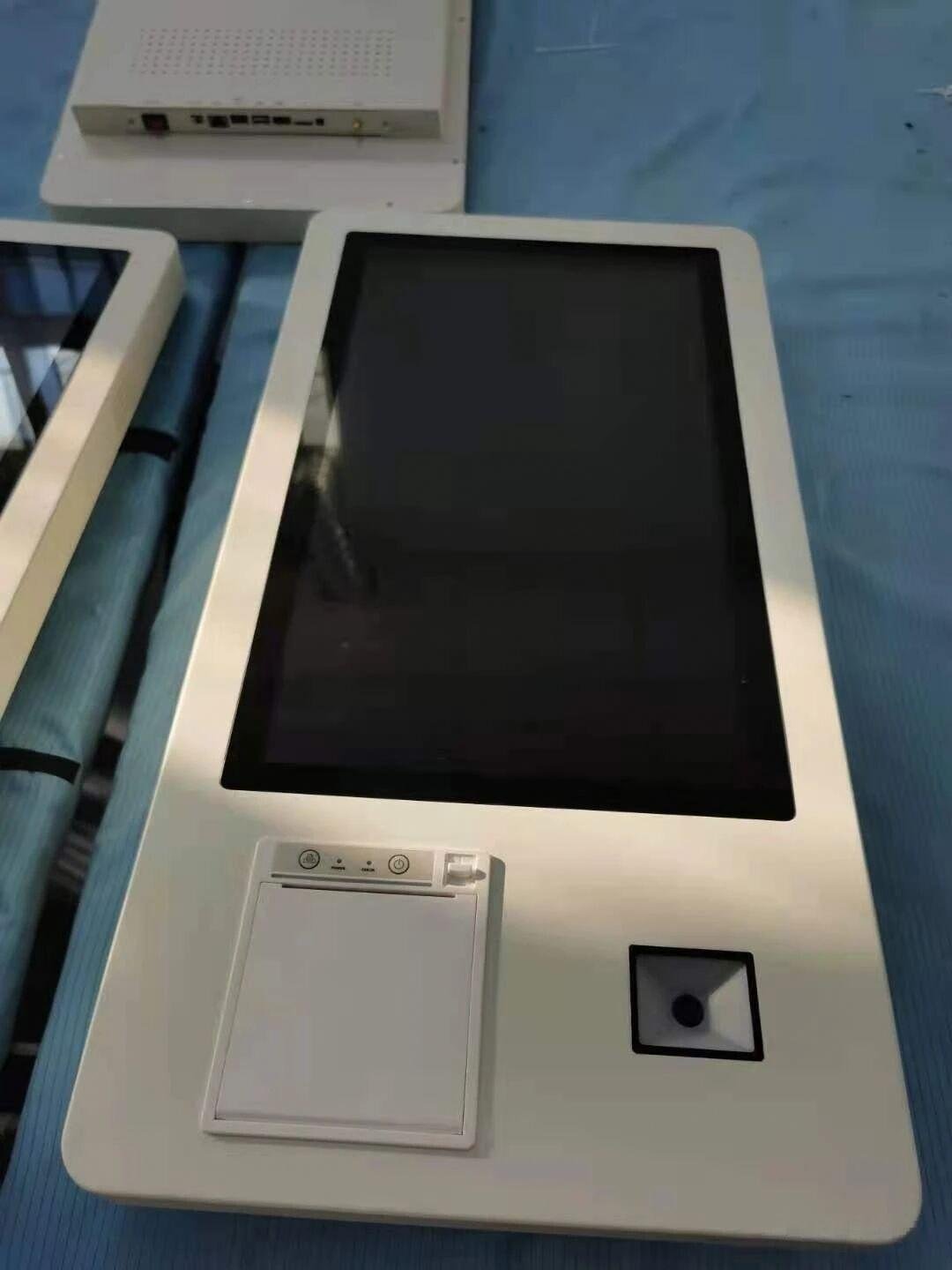
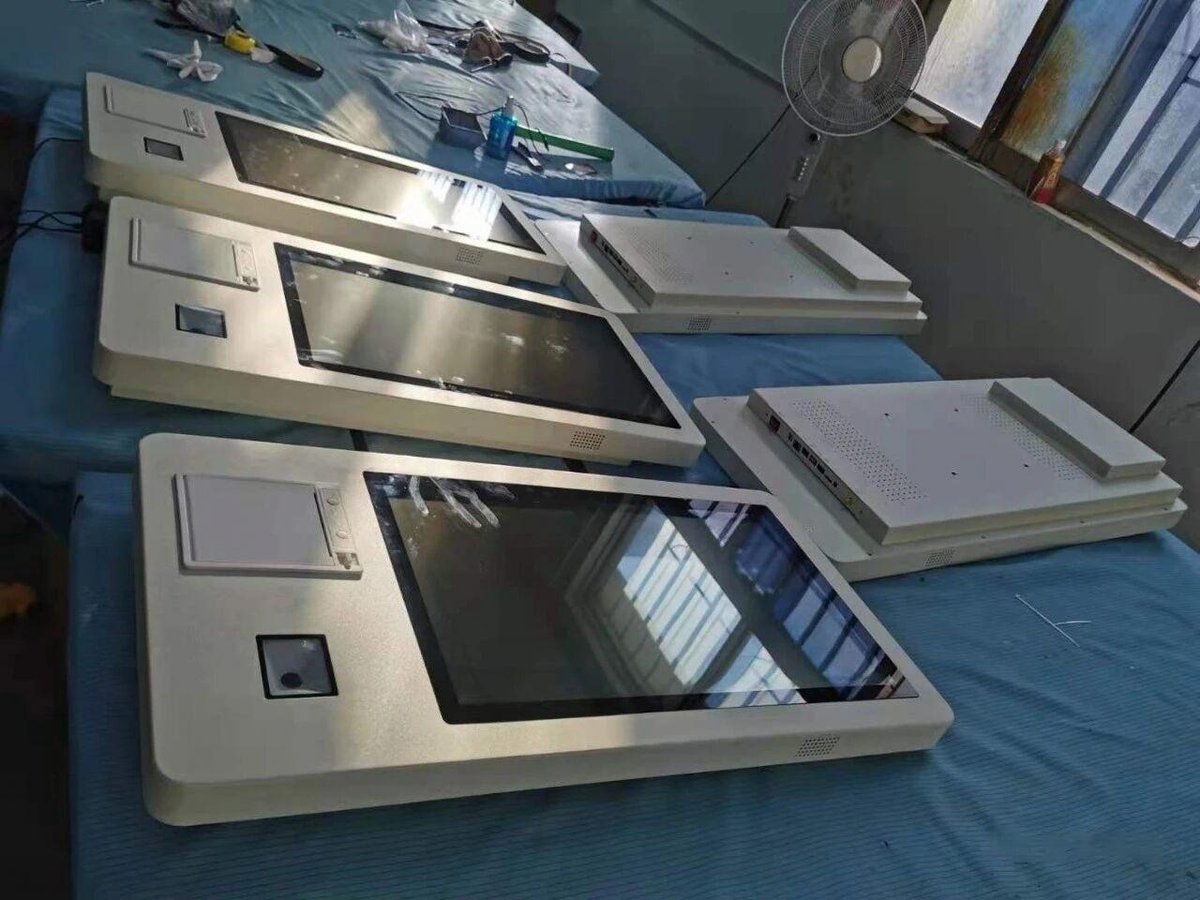
Self-service ordering kiosks sound technologically advanced, but they are by no means suitable for every store. While some venues see substantial efficiency gains after installation, for others, the equipment becomes a financial and operational burden.
1. Three Types of Stores Unsuited for Self-Service Ordering Kiosks
Type 1: Fast-Casual Snack Bars with Low Average Ticket Size and Rapid Table Turnover
These establishments are characterized by lightning-fast transactions: from entering the door to ordering and pickup, the entire journey takes under ten minutes. Patrons stand waiting for quick takeout and do not want additional steps. In this setting, a kiosk actually elongates the ordering process—customers must figure out how the interface works, navigate multiple text categories, and confirm step-by-step prompts, which is considerably slower than placing a direct verbal order.
For such venues, table-top QR code ordering is far more practical: diners sit down, scan the code, select items, place orders, and pay—all in one seamless flow on their own phones. It requires zero extra hardware investment and occupies zero valuable floor space.
Type 2: Community Stores with a High Proportion of Elderly Customers
If a venue’s surrounding foot traffic consists primarily of senior residents, kiosk utilization is typically very low. Elderly diners are often uncomfortable operating digital touchscreens and strongly prefer conversing directly with waitstaff. In these stores, the kiosk either sits idle or demands that staff stand beside it full-time to assist patrons, which saves no labor whatsoever and instead introduces extra communication friction.
If your customer base is dominated by local neighborhood residents, it is strongly advised to observe the demographic age distribution of your core patrons before deciding to invest in self-service equipment. Hardware itself does not generate efficiency—only hardware aligned with your customer demographic does.
Type 3: Dining Concepts with Complex Menus and Highly Customized Orders
In concepts like hot pot and malatang restaurants, diners have extensive customization requirements—selecting soup bases, spice levels, side ingredients, and dipping sauces. Navigating through countless hierarchical steps on a kiosk can easily frustrate customers, drastically complicating what should be an enjoyable ordering process.
These dining formats are far better served by staff-assisted ordering, where immediate face-to-face communication is significantly faster than tapping through machine menus. Having servers guide choices and capture tickets directly yields superior operational efficiency.
2. Ask Yourself Three Questions Before Installing a Self-Service Ordering Kiosk
1. Will Your Customer Base Actually Use It?
If your primary demographic consists of tech-savvy young people (such as in shopping malls or university districts), kiosk adoption and acceptance are typically very high. However, for community-focused eateries or residential venues with a high percentage of elderly customers, adoption rates may fall far short of expectations.
2. Does Your Menu Structure Fit a Self-Service Flow?
If your menu features straightforward combinations (such as standardized combo meals and fixed set menus), a kiosk will genuinely streamline throughput. However, if your offerings are complex, multi-tiered, and demand extensive individual customization, digital ordering steps will actually increase operational friction.
3. Is the Order-Taking Step Really Your Bottleneck?
In many restaurants, the true operational bottleneck lies in kitchen food preparation and dispatch rather than counter order intake. If the kitchen is already operating at maximum capacity, installing any number of self-service ordering kiosks will fail to solve the root problem and may even exacerbate kitchen backlog.
A self-service ordering kiosk is not a magical tool that automatically boosts efficiency the moment it is plugged in. It is a specialized instrument: an asset to the right venue, but a costly liability to the wrong one. Before making an investment, think through your customer demographics, menu structure, and genuine operational bottlenecks before deciding whether to deploy self-service kiosks. In summary, integrating the right Self-Service Kiosk Feasibility provides long-term operational resilience, reduced labor friction, and enhanced customer satisfaction.
Looking for customized Self-Service Kiosk Feasibility solutions, commercial touchscreen displays, or OEM/ODM self-service hardware? Feel free to contact the ZXTLCD engineering team for free consultations, product samples, and tailored technical specifications.
Deploying a Self-Service Solution?
To elevate customer experience and streamline ordering or ticketing workflows, explore our AI Self Service Terminal with Large Touchscreen or the versatile Self Service Kiosk for Cinema & Ticketing. For custom hardware integrations, discover our complete line of Custom Self-Service Kiosks or consult our engineering team for sample evaluation.