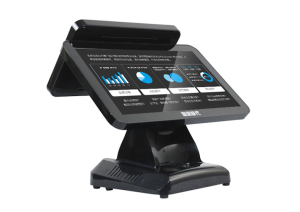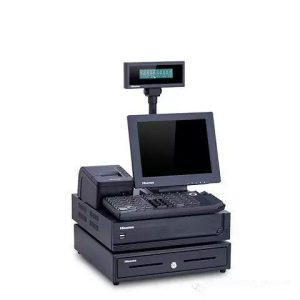
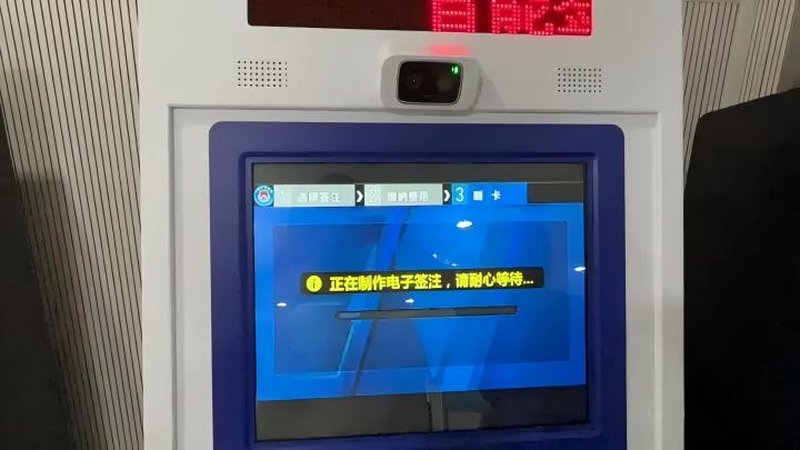
Deploying a high-performance Automated Retail Kiosk Investment ROI provides commercial dining and retail venues with an advanced automated workflow. For entrepreneurs and investors seeking new opportunities, commercial self-service kiosks and traditional brick-and-mortar lottery retail shops represent two distinct operational models. One relies on automated interactive hardware terminals to deliver goods or digital services, while the other depends on physical storefronts to conduct lottery ticket distribution. Both can benefit from consistent consumer demand, yet they diverge significantly in operating methods, revenue mechanisms, administrative requirements, and overall investment risks.
Self-service kiosks are widely deployed across retail, dining, civic public services, photo printing, and interactive information inquiries. Conversely, lottery shops operate under strict local gaming regulations, specialized sales licenses, and localized retail foot traffic patterns. Determining which is more worthy of investment requires analyzing real consumer demand, operational cost structures, and sustained management capabilities rather than assuming automated machines run entirely passively or lottery shops guarantee automatic foot traffic.
Automated Retail Kiosk Investment ROI: 1. Business Model Differences: Self-Service Kiosks vs. Lottery Stores
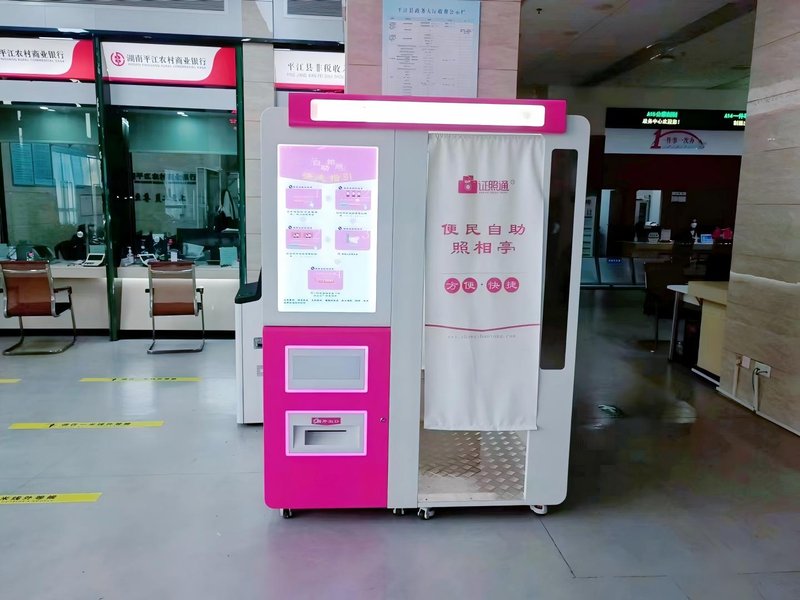
Self-service kiosks are not a single monolithic product category; they encompass a wide variety of commercial automated terminals engineered for different vertical markets. Smart vending kiosks generate revenue through retail merchandise sales; self-service document printing kiosks and photo booths monetize on-demand services; enterprise self-service kiosks streamline check-in, account lookup, payments, and workflow automation.
Investors can select kiosk hardware matching target scenarios, factoring in site conditions, user requirements, and operational plans. Kiosks can be managed directly by owner-operators or co-deployed across partner retail venues and public facilities. Revenue-sharing structures, lease fees, operational responsibilities, and profit margins vary accordingly.
Lottery shops, by comparison, operate a centralized retail agency model dependent on sales commissions. Stores must comply with strict municipal regulations, operational guidelines, and designated operating hours. Sales volume depends on physical store visibility, consumer habits, opening hours, and local neighborhood demographics.
In terms of flexibility, self-service kiosks can target various merchandise and digital services across multiple locations, though each machine requires an optimal micro-location. Lottery shops offer a well-defined business scope but remain constrained by strict licensing frameworks and fixed retail locations.
2. Comparing Operating Costs and Ongoing Expenses
When investing in self-service kiosks, evaluation must extend beyond initial hardware purchase prices. Freight, on-site installation, system configuration, location leasing fees, power/network connectivity, and ongoing preventative maintenance all impact profitability. If selling physical goods, inventory management, restocking labor, and shrinkage must be calculated; if providing paid digital/printing services, consumables, payment processing fees, and software maintenance require budgeting.
Different kiosk hardware types demand different maintenance regimens. Basic information inquiry kiosks require only periodic inspection and cleaning, whereas multi-component automated terminals integrating printers, bill validators, and card readers demand technical maintenance support. Equipment build quality, modular serviceability, and design life expectancies directly govern long-term operational profitability.
Lottery shops entail substantial retail overhead: storefront rent, interior renovation, utility bills, inventory security, and ongoing staffing wages. Even with regular retail foot traffic, retail revenue must consistently surpass high fixed overhead to remain viable.
Therefore, evaluating both investment paths requires analyzing total cost of ownership (TCO) rather than just upfront capital outlay. Higher fixed costs inherently demand higher sustained transaction volumes to maintain profitability.
3. What Drives Self-Service Kiosk Profitability?
Kiosk profitability hinges directly on matching the right hardware type to the appropriate operational environment.
For smart vending kiosks, critical drivers include impulse purchasing demand, sales frequency, inventory turnover, and restocking logistical efficiency. For self-service document printing or photo kiosks, convenience, service necessity, and location-specific pedestrian traffic demographics are paramount.
Physical placement directly dictates utilization rates. Office towers, transit hubs, universities, shopping malls, and healthcare facilities present distinct consumer demands, but not every high-traffic location guarantees kiosk success. Operators must verify that passersby genuinely need the service and that environmental conditions suit the hardware.
Furthermore, automated hardware does not equate to zero labor. Restocking, exterior cleaning, paper/ribbon replenishment, hardware troubleshooting, firmware updates, and customer support still require operational management. Automation only transforms into an economic advantage when equipment reliably delivers valuable services backed by efficient operational maintenance.
For kiosk investors, selecting hardware precisely tailored to the deployment environment is far more impactful than purchasing overly complex, feature-heavy terminals with unnecessary modules.
4. Operational Strengths and Potential Risks of Lottery Stores
A traditional lottery retail store offers a well-established, transparent commercial model: patrons visit the physical shop to buy tickets, and the operator earns predetermined commissions on ticket volume. For operators experienced in storefront management who can maintain steady working hours and satisfy regulatory prerequisites, the model is straightforward.
However, lottery shops do not guarantee effortless profitability or immunity to market shifts. Turnover is subject to local purchasing habits, surrounding competition, retail footfall changes, and broader economic conditions. Meanwhile, lease renewals, retail wages, and utility bills remain inflexible fixed expenses.
Regulatory compliance is another critical consideration. Lottery sales are heavily regulated by regional authorities, with strict rules governing operator licensing, authorized retail channels, age verification, and gaming hardware. Investors must verify operational legality through official government regulators rather than relying on promotional claims from third-party franchises.
If an investment involves self-service lottery terminals, investors must thoroughly verify legal relationships between machine operators, officially licensed lottery entities, and payment clearing mechanisms. The mere capability of automated hardware to process transactions does not confer legal authorization to distribute lottery products.
5. Why Do Some Kiosk Projects Fail to Meet Expectations?
A common pitfall in self-service kiosk ventures is acquiring hardware before validating real-world consumer demand. Investors often focus on attractive chassis designs, touchscreen displays, or automated gimmicks while overlooking whether the target demographic will actually use the machine.
For instance, a feature-rich document printing kiosk placed in an area with negligible printing demand will suffer persistent underutilization. Conversely, a streamlined, dedicated kiosk solving an acute user need can achieve rapid payback.
Hardware and software compatibility is equally decisive. For kiosks handling payment processing, citizen queries, identity registration, or data synchronization, software API stability directly determines customer satisfaction. If a kiosk requires frequent manual staff intervention to resolve bugs, its core automation value proposition is defeated.
Investors should investigate site demand, audit hardware durability and software interfaces, and conduct small-scale pilot deployments to validate unit economics prior to fleet-wide rollouts.
6. Key Evaluation Criteria Prior to Capital Investment
First, evaluate real market demand and user profiles. Identify who the users are, under what circumstances they will interact with the kiosk, and how existing alternative solutions fall short. For lottery shops, investigate local gaming regulations, retail zoning, and local demographic purchasing density.
Second, analyze full lifecycle cost structures. Kiosk projects must budget for hardware acquisition, venue commissions, preventative maintenance, consumables, and restocking logistics. Lottery stores must evaluate commercial leases, staffing salaries, renovations, and ongoing retail utility overhead based on local market data.
Third, assess day-to-day operational complexity. Kiosks require continuous monitoring of hardware uptime, peripheral health, consumables, and payment reconciliation. Lottery shops require consistent staffing hours, customer service, and regulatory compliance audits. Investors should align opportunities with their own technical skills, management experience, and available time commitment.
Finally, evaluate capital flexibility and asset mobility. Kiosks can be relocated to better-performing venues, serviced modularly, or upgraded over time. Conversely, physical storefront leases involve locked-in contractual liabilities that are much harder to exit when market conditions shift.
7. Determining Which Investment Fits Your Profile
If an investor has access to prime commercial foot-traffic locations, possesses technical or operational maintenance capabilities, or can secure direct hardware sourcing advantages, self-service kiosks offer a scalable, modular model. Investors can launch a targeted pilot deployment, gather empirical transaction data, and scale incrementally.
If an investor excels at retail customer relationship management, understands regional gaming regulatory frameworks, and is prepared to manage daily storefront operations, a traditional lottery store may be worth exploring. However, licensing prerequisites, genuine footfall, and fixed operational expenses must be vetted before entering long-term commercial leases.
For beginners lacking industry experience, running structured market research and small-scale pilot tests is far safer than committing capital based on marketing projections.
Self-service kiosks offer greater versatility across vertical markets but demand calculated site selection and maintenance; lottery shops offer a standardized model but carry strict regulatory constraints and fixed retail overhead.
Ultimately, the most successful venture is one that strictly adheres to regional laws, satisfies proven consumer demand, and generates revenues that comfortably exceed long-term operating costs.
FAQ: Frequently Asked Questions About Kiosk vs. Lottery Store Investments
Q1: Are self-service kiosks inherently a better investment than lottery stores?
Not necessarily. Kiosk profitability depends on hardware suitability, site selection, machine uptime, and maintenance costs. Lottery stores depend on licensing terms, physical location footfall, and operational overhead. Each opportunity must be evaluated individually.
Q2: Can self-service kiosks run completely unattended?
Most commercial self-service kiosks still require regular operational management. Depending on the machine type, tasks include cleaning, restocking, replacing printer paper or consumables, updating software, troubleshooting hardware, and providing user support. Automation significantly reduces on-site labor but does not eliminate operational responsibilities.
Q3: What locations are best suited for deploying self-service kiosks?
Placement depends entirely on kiosk function. Smart vending kiosks thrive in locations with immediate consumer product demand; printing kiosks excel near universities, administrative offices, and business centers; photo kiosks suit entertainment and commercial hubs. Foot traffic demographics and dwell times must match the kiosk’s core service.
Q4: What should be verified before investing in self-service lottery terminals?
Ensure local gaming authorities legally permit self-service lottery distribution. Verify operational licenses, lottery agency agreements, and payment escrow flows directly with official gaming regulators. Scrutinize contract terms regarding revenue splits, hardware liabilities, and contract termination rules.
Q5: How can investors mitigate risk in self-service kiosk deployments?
Validate user demand beforehand, confirm site environmental conditions match hardware specifications, calculate total operating costs accurately, and verify vendor API compatibility and warranty support. Conducting small-scale pilot deployments provides reliable empirical data before expanding fleet investments. In summary, integrating a reliable Automated Retail Kiosk Investment ROI solution reduces operational labor costs, shortens customer wait times, and maximizes store throughput.
Looking for customized Automated Retail Kiosk Investment ROI hardware, commercial touchscreen displays, or OEM/ODM self-service solutions? Feel free to contact the ZXTLCD engineering team for free consultations, product specifications, and tailored volume pricing.
Deploying a Self-Service Solution?
To elevate customer experience and streamline ordering or ticketing workflows, explore our AI Self Service Terminal with Large Touchscreen or the versatile Self Service Kiosk for Cinema & Ticketing. For custom hardware integrations, discover our complete line of Custom Self-Service Kiosks or consult our engineering team for sample evaluation.