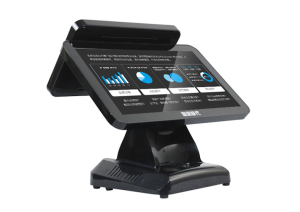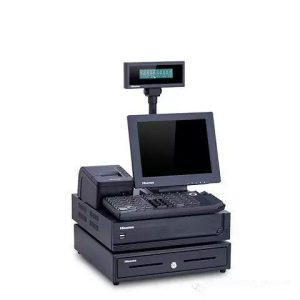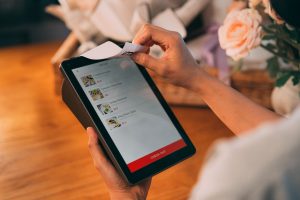
Deploying a modern Multi-Scenario Self-Service Kiosk Deployment has become a vital strategic step for businesses aiming to optimize workflow. As digitalization sweeps across the catering industry, an increasing number of restaurants, cafeterias, fast-food chains, and diverse dining establishments are adopting intelligent hardware to modernize traditional operational models. Beyond refining dining room layouts and service workflows, strategically deploying self-service ordering kiosks has emerged as a proven solution for elevating service throughput and optimizing the customer ordering journey.
In recent years, self-service terminals have gained widespread adoption across retail and food service environments. Self-service kiosks have steadily expanded beyond fast-food settings into full-service restaurants, institutional cafeterias, and communal dining facilities. For restaurant and cafeteria operators, what specific operational advantages do self-service kiosks offer in daily management?
Setting aside the growing consumer demand for more convenient, autonomous dining experiences, traditional restaurant operations have long struggled with high labor overhead, rising ingredient costs, rent inflation, and escalating operating expenses. By introducing smart commercial self-service ordering terminals, operators can effectively bridge physical dining rooms with digital management systems, pioneering more agile and efficient smart catering services.
Multi-Scenario Self-Service Kiosk Deployment: Tangible Operational Impact of Self-Service Kiosks
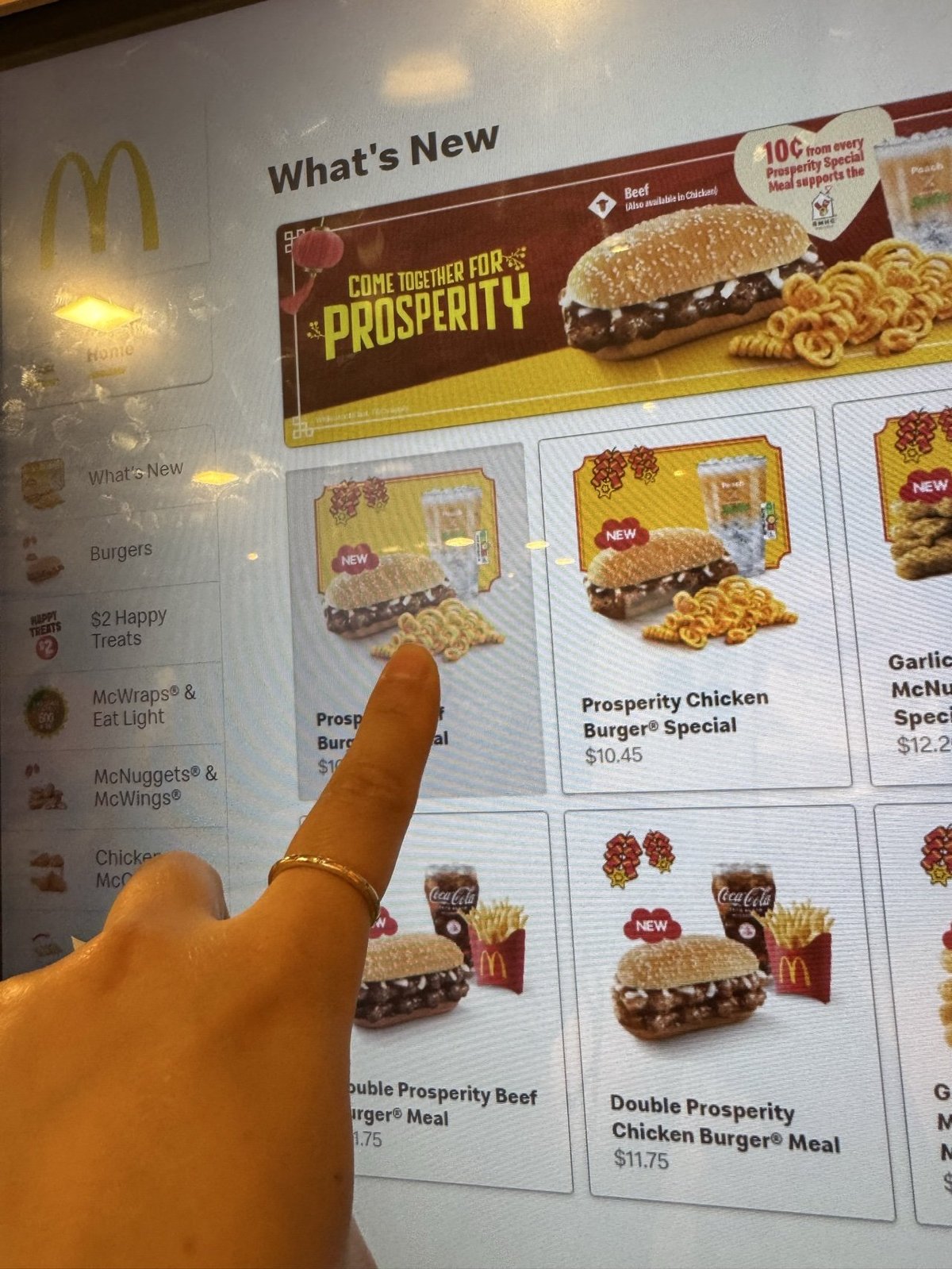
Traditional restaurants depend heavily on printed paper menus and manual order-taking by waitstaff. In contrast, self-service kiosks present dish offerings through dynamic, multimedia digital interfaces. Dish pricing, high-resolution food photography, ingredient specifications, and combo packages are vividly displayed on the kiosk screen.
Customers simply browse menu categories on the responsive touchscreen to select items, submit orders, and complete payment independently. This intuitive, frictionless flow eliminates manual order-taking steps, elevates overall venue efficiency, and significantly reduces repetitive front-of-house labor burdens.
High-definition, large-format screens showcase food imagery and dish details with exceptional clarity. Compared to static paper menus, digital displays offer far richer visual engagement, allowing diners to effortlessly explore new menu items, combo bundles, and chef specials for a more satisfying ordering journey.
Moreover, the commercial value of self-service kiosks extends well beyond service acceleration and guest convenience. The structured order data generated by the digital ordering system provides restaurateurs with actionable insights into dish popularity, peak sales windows, and customer dining preferences. Operators can then optimize inventory procurement, adjust menu layouts, and refine recipe offerings based on real sales metrics.
Integrating digital membership loyalty programs, QR code services, and automated marketing tools further enables dining venues to bridge offline footfall with online customer management, establishing sustainable omnichannel engagement. This constitutes one of the most compelling strategic benefits of kiosks in modern smart catering.
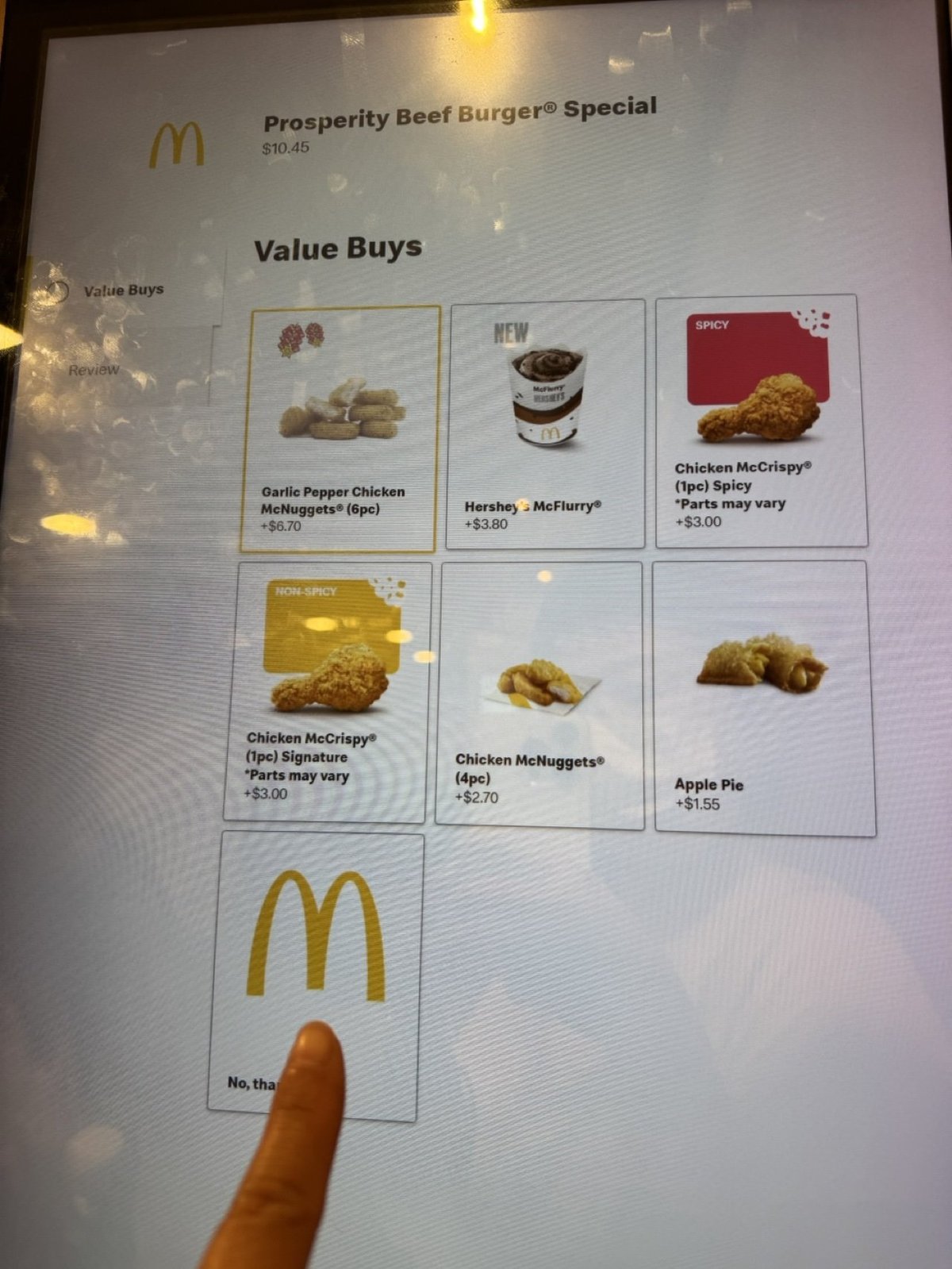
How Self-Service Kiosks Streamline Restaurant Workflows
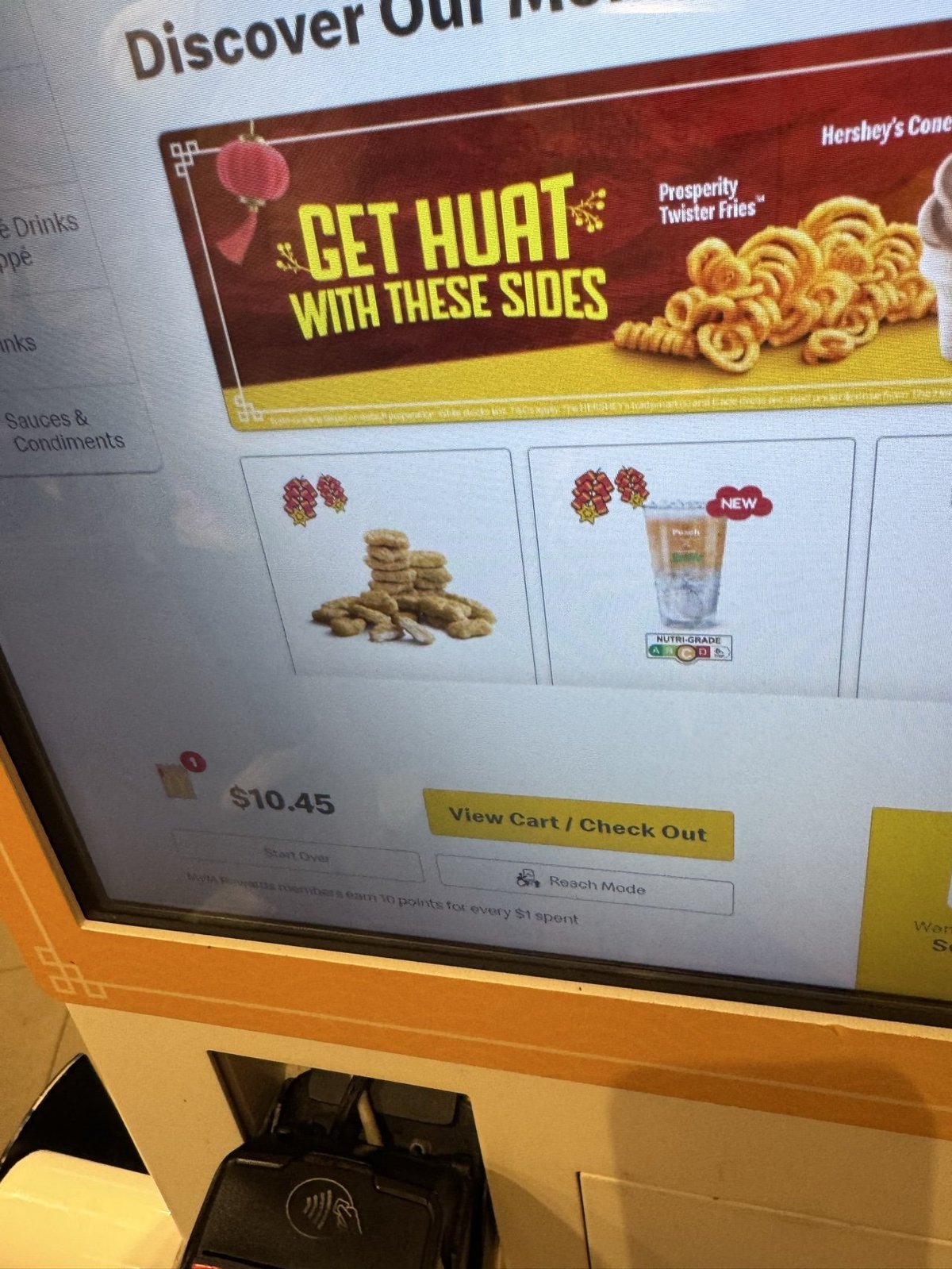
Self-service ordering kiosks not only allow patrons to select meals swiftly and conveniently, but also enable operators to spotlight combo bundles, specialty dishes, and promotional pairings according to marketing goals.
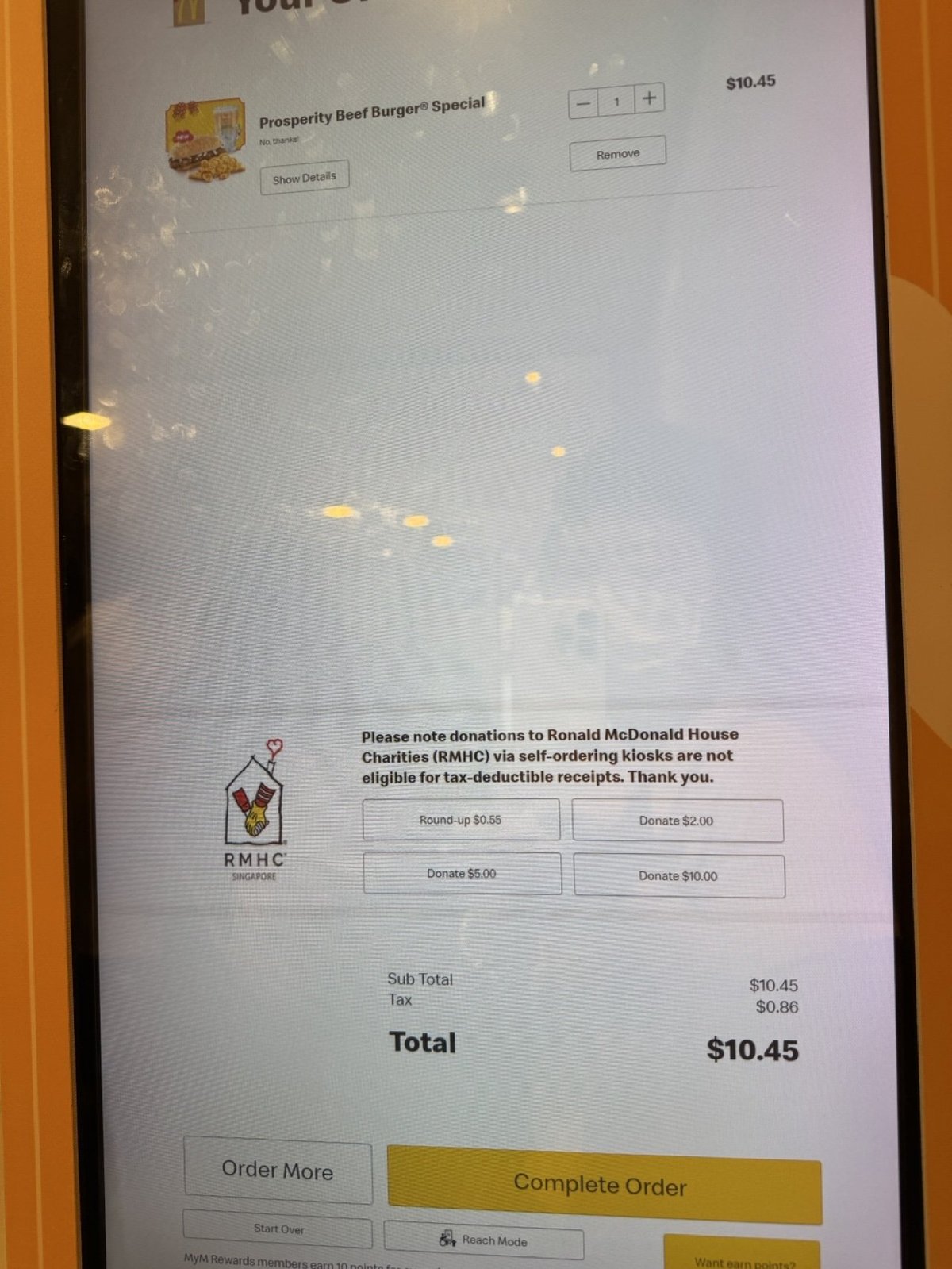
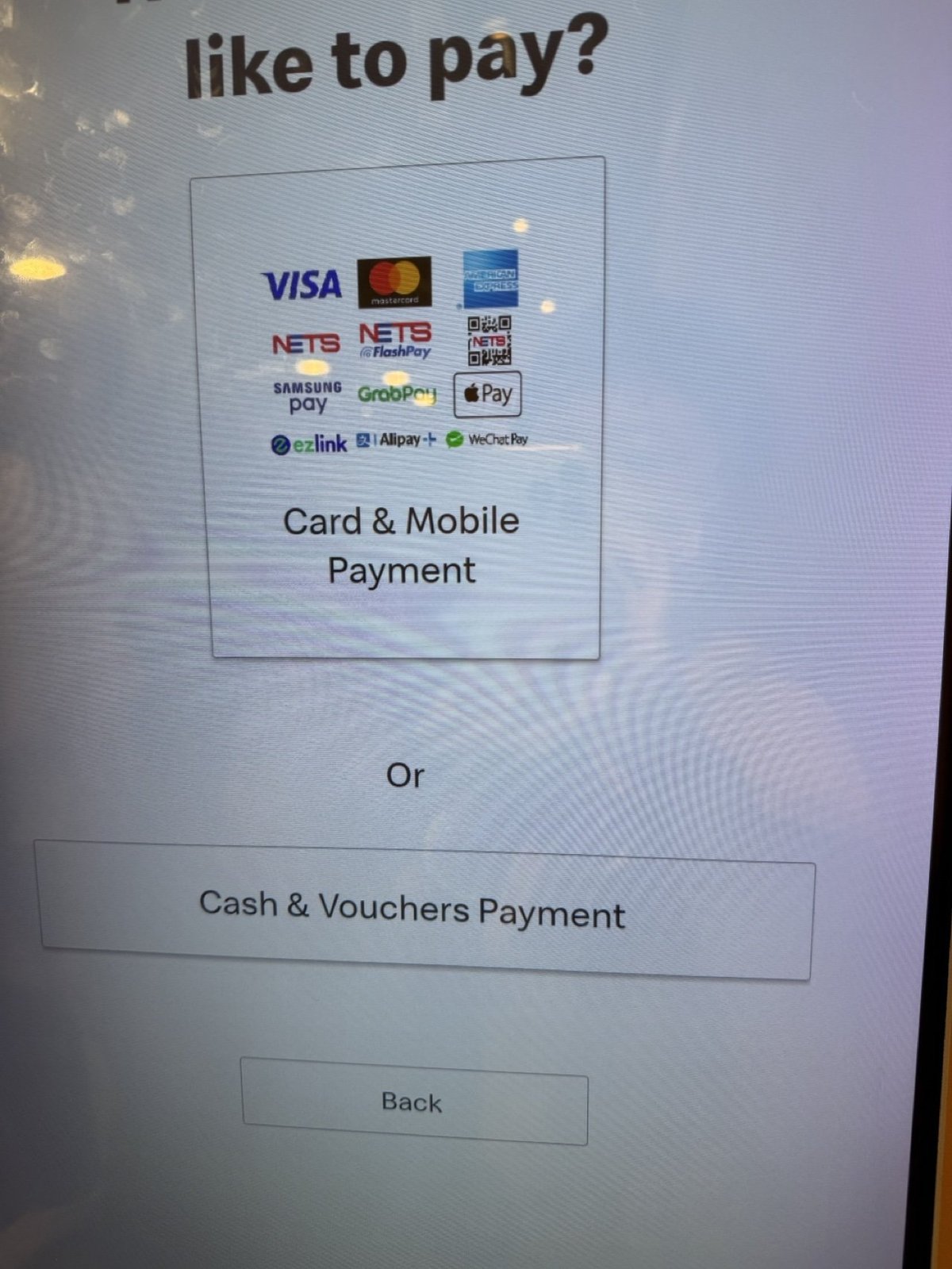
Upon entering the interactive ordering interface, diners can tailor their selections based on party size, taste preferences, and dish categories. Once selections are finalized, customers settle the bill using their preferred digital payment methods.
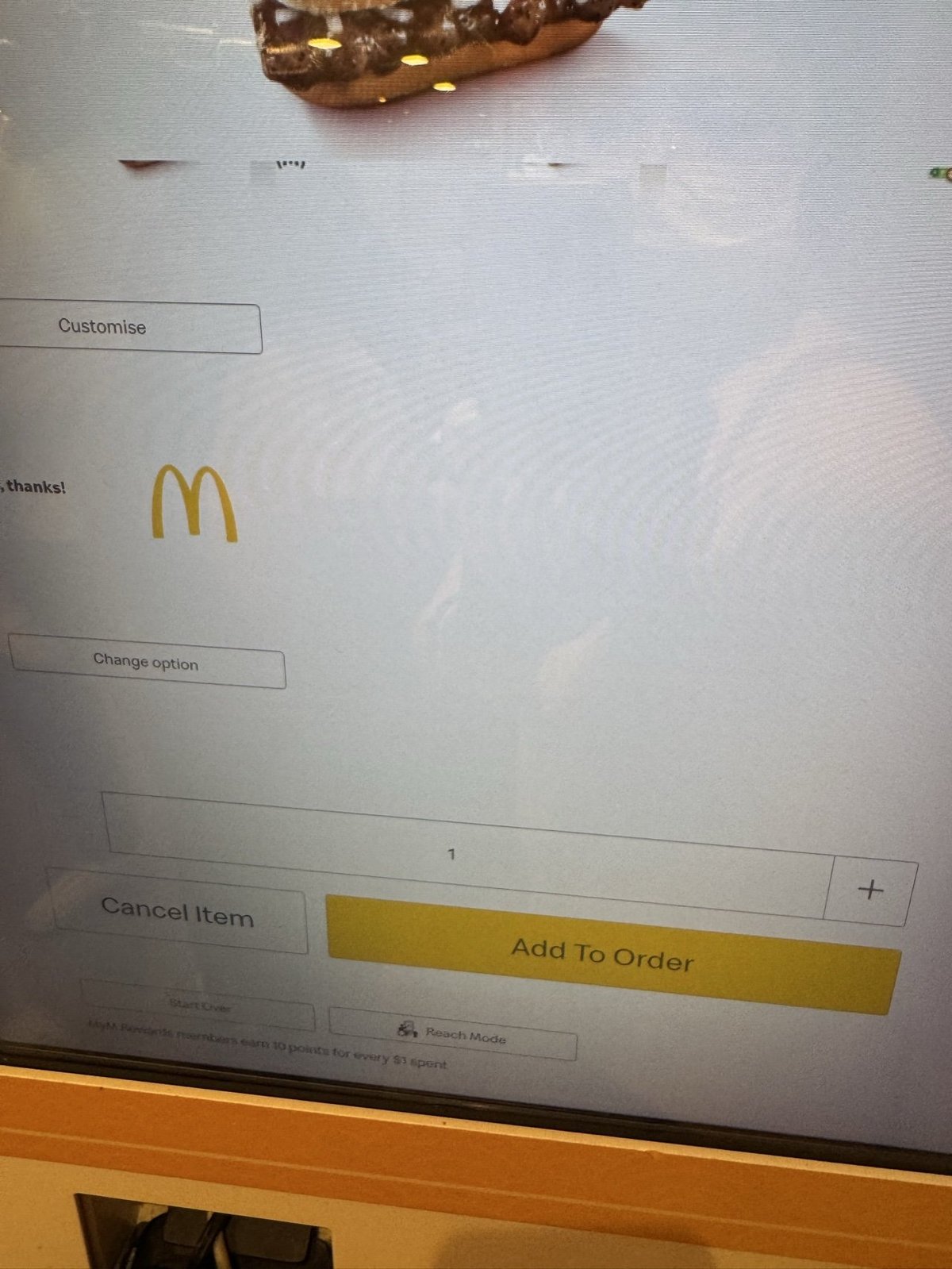
Immediately upon payment confirmation, order data routes automatically to kitchen prep stations or expeditor screens. Kitchen staff assemble dishes based on digital tickets, transferring finished orders to designated pickup counters or enabling servers to deliver food directly to assigned table numbers.
By standardizing this workflow, restaurants eliminate the duplicate manual effort involved in handwriting and re-entering orders into cash registers, creating a seamless digital loop connecting order entry, payment processing, and kitchen production.
ZXTLCD Self-Service Ordering Kiosks Empowering Smart Catering Services
ZXTLCD self-service kiosks feature commercial-grade high-definition touchscreens engineered for digital menu presentation, autonomous ordering, transaction processing, and omnichannel catering services.
The kiosks support intuitive multi-touch selection and autonomous ordering through an accessible, user-friendly UI. Vibrant visual clarity brings dish photography, pricing, combo bundles, and promotional details to life, ensuring guests of all ages and technological familiarity can order effortlessly.
To suit diverse floor plans and architectural requirements, ZXTLCD self-service kiosks support both freestanding pedestal and space-saving wall-mount installations. This structural flexibility allows optimal positioning at restaurant entrances, dedicated ordering lobbies, meal pickup zones, and other high-traffic touchpoints.
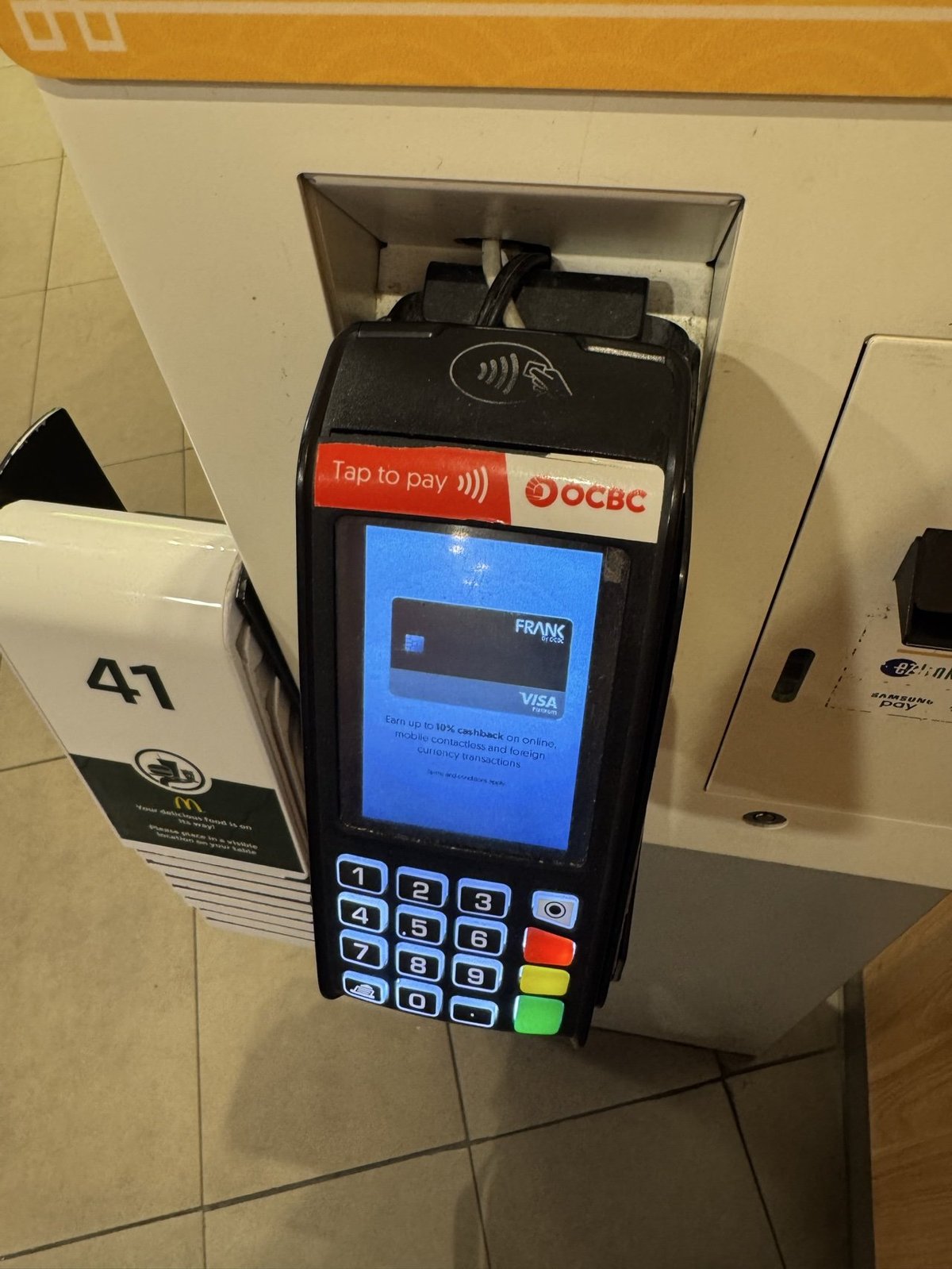
In terms of payment and transaction workflows, hardware configurations can be customized to match specific POS and ERP ecosystems, interfacing smoothly with catering management systems to achieve an end-to-end digital ordering pipeline.
For restaurant operators, a self-service kiosk represents far more than an automated ordering terminal—it serves as a cornerstone of the venue’s digital service infrastructure. By delivering vivid visual merchandising, effortless customer interactions, and rapid order dispatch, it empowers dining venues to streamline operational flows and maximize commercial throughput.
Strategic Value of Self-Service Kiosks Across the Catering Sector
Propelled by continuous breakthroughs in artificial intelligence, the Internet of Things (IoT), and digital retail technologies, restaurant management practices are undergoing profound operational modernization. An increasing number of food service operators are upgrading traditional workflows with intelligent hardware, transitioning steadily from labor-intensive manual operations toward automated, intelligent hospitality.
Self-service kiosks seamlessly integrate digital menu display, order customization, payment settlement, and kitchen routing. While driving dramatic operational efficiency gains, they also provide consumers with a more empowering, relaxed, and autonomous dining experience.
Whether deployed across fast-food chains, casual restaurants, institutional cafeterias, or multi-location dining brands, self-service kiosks can be flexibly configured to match unique spatial layouts, menu structures, and POS software frameworks.
Looking forward, as smart catering continues to mature, ZXTLCD will maintain its focus on product innovation across self-service kiosks, commercial touch displays, and smart catering hardware terminals, empowering food service businesses worldwide with agile, reliable, and intelligent hardware solutions. In summary, integrating the right Multi-Scenario Self-Service Kiosk Deployment provides long-term operational resilience, reduced labor friction, and enhanced customer satisfaction.
Looking for customized Multi-Scenario Self-Service Kiosk Deployment solutions, commercial touchscreen displays, or OEM/ODM self-service hardware? Feel free to contact the ZXTLCD engineering team for free consultations, product samples, and tailored technical specifications.
Looking for Reliable Industrial Displays?
If you need an industrial-grade touch monitor for harsh environments, control cabinets, or technical test benches, explore our 15.6-Inch Industrial Touch Screen Display or the compact 10.1-Inch PCAP Touch Monitor designed for precision equipment. You can also browse our full line of Custom Embedded Displays with complete OEM/ODM manufacturing support.