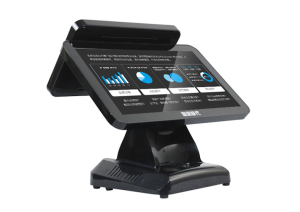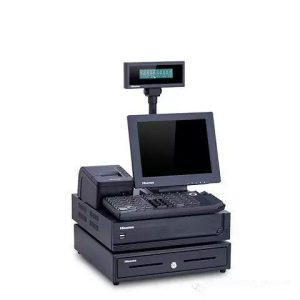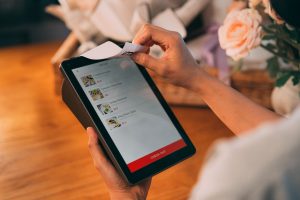
Deploying a modern Self-Checkout Ordering Kiosk has become a vital strategic step for businesses aiming to optimize workflow. For food and beverage (F&B) and retail establishments, labor costs, service efficiency, and customer experience during peak hours have become critical factors influencing store operations.
As consumers increasingly demand faster ordering speeds and greater convenience, traditional workflows reliant on manual ordering, cashiering, and manual order entry face unprecedented challenges.
During rush hours—particularly lunch and dinner peaks—concentrated customer arrivals inevitably cause congested queues, while front-of-house staff must simultaneously juggle order taking, cashier operations, order verification, and various customer service tasks.
Under these circumstances, self-service ordering kiosks and self-checkout terminals provide venues with an innovative digital service touchpoint.
Through interactive touchscreens and intuitive digital interfaces, customers can independently browse menus, customize and select items, verify orders, and complete subsequent steps, empowering operators to streamline their entire service workflow.
What Challenges Does the Traditional Manual Ordering Model Face? with a Self-Checkout Ordering Kiosk
Bottlenecks and Queues During Peak Hours
For dining establishments, peak-hour service efficiency directly dictates customer satisfaction.
When multiple patrons arrive simultaneously, staff must process orders and payments one by one. If front desk personnel are limited, prolonged customer wait times are inevitable.
In high-foot-traffic dining environments such as quick-service restaurants (QSRs), cafes, bakeries, and casual dining outlets, counter congestion not only degrades the customer experience but also places tremendous operational pressure on staff.
Self-service ordering kiosks introduce dedicated digital order-taking entry points, allowing a significant portion of customers to place orders directly and independently, effectively dispersing front-counter bottlenecks.
Repetitive Tasks Tying Up Staff Time
Throughout traditional ordering workflows, employees must continually repeat basic tasks: introducing menus, transcribing orders, confirming selections, and processing payment transactions.
These tasks are inherently highly repetitive.
When customer volume surges, staff must commit the vast majority of their working hours to basic order taking, inadvertently compromising the quality of other critical service interactions.
By deploying self-service ordering kiosks, standardized operations are seamlessly offloaded to the customer.
Employees can consequently redirect valuable time toward food preparation coordination, dedicated guest services, floor management, and other high-touch tasks requiring human attentiveness.
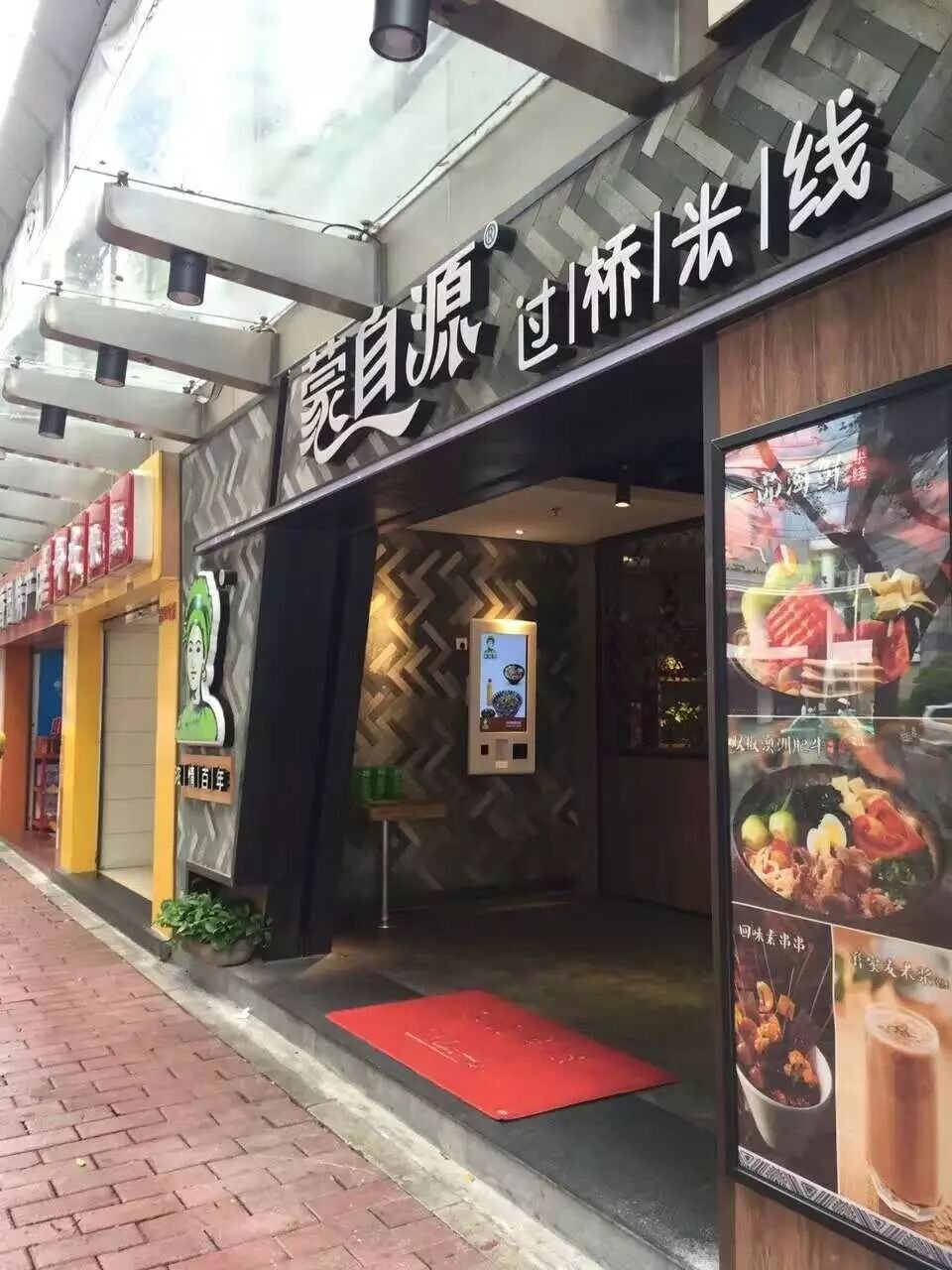
Communication Errors in Manual Order Taking
Food and beverage orders inherently involve numerous granular specifications.
Variables such as item selection, portion sizes, ingredients, seasoning preferences, combo pairings, and unique dietary modifications all impact the final ticket.
When relying strictly on verbal communication and manual transcription, order details are vulnerable to misunderstandings, omissions, or miscommunication along the transmission chain.
Digital ordering enables diners to visually select options directly on the screen and review their final order summary prior to submission.
This intuitive process visualizes order details with absolute clarity, significantly minimizing errors arising from verbal miscommunication.
How Do Self-Service Ordering Kiosks Enhance Customer Experience?
More Intuitive Digital Menus
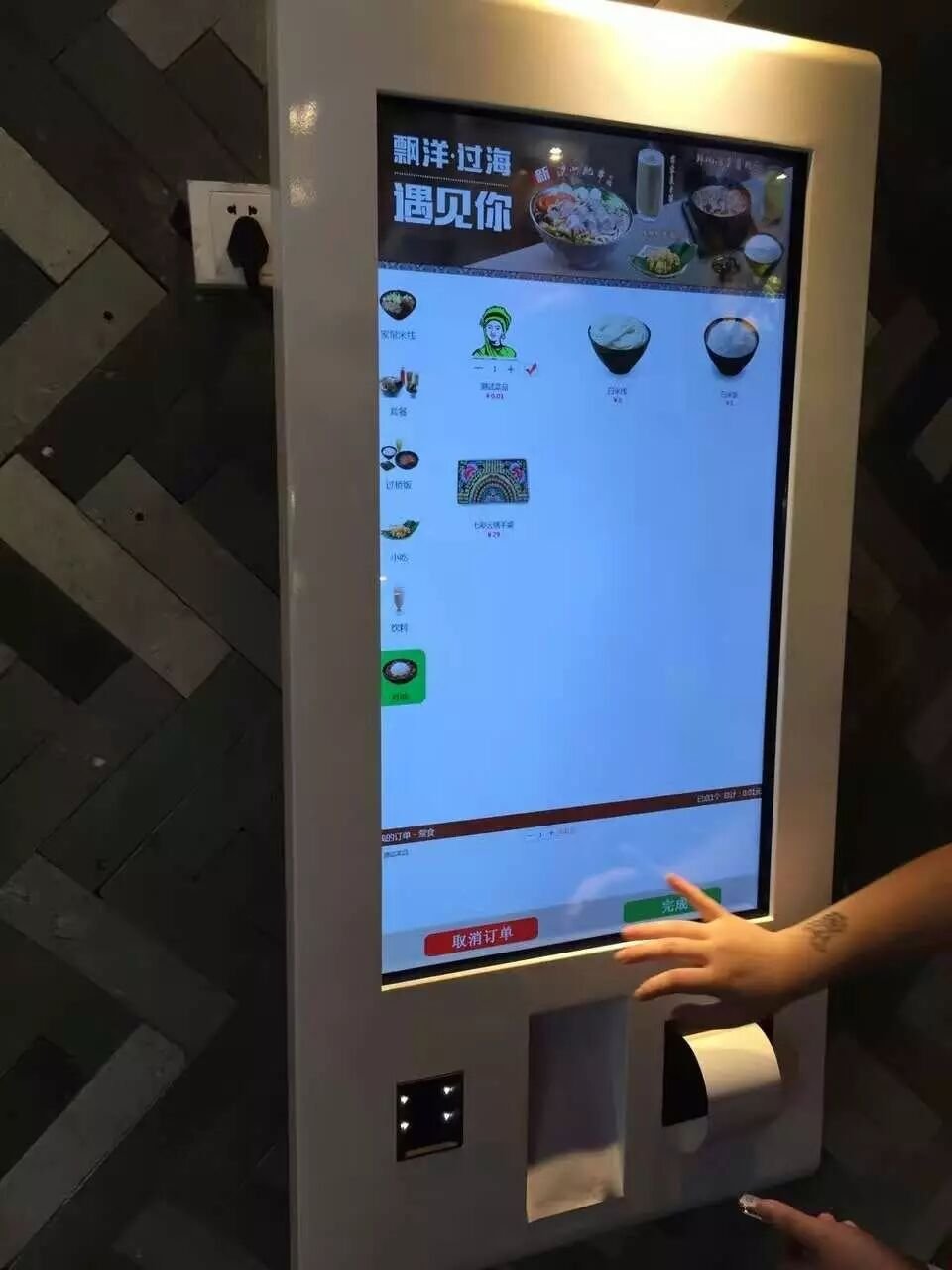
Self-service kiosks present culinary offerings via vibrant, high-definition digital screens.
Operators can logically categorize dishes based on business requirements—such as mains, appetizers, beverages, desserts, and promotional value bundles.
High-resolution food imagery, item names, pricing, detailed descriptions, and customizable options are presented dynamically on the screen.
Customers can comfortably explore offerings at their own pace without waiting for staff explanations.
For establishments with extensive menus or intricate custom options, this visual clarity makes the ordering journey substantially smoother.
Ordering at the Customer’s Own Pace
In traditional counter interactions, patrons often feel rushed by the cadence of the cashier or the pressure of queues behind them.
Self-service kiosks provide guests with a relaxed, autonomous environment.
Diners can browse through diverse menu categories, compare dish alternatives, and finalize selections when ready.
Should they wish to modify selections or toppings, adjustments can be made effortlessly prior to final payment.
This self-paced autonomy is particularly advantageous for dining concepts with expansive menus and multi-item dining groups.
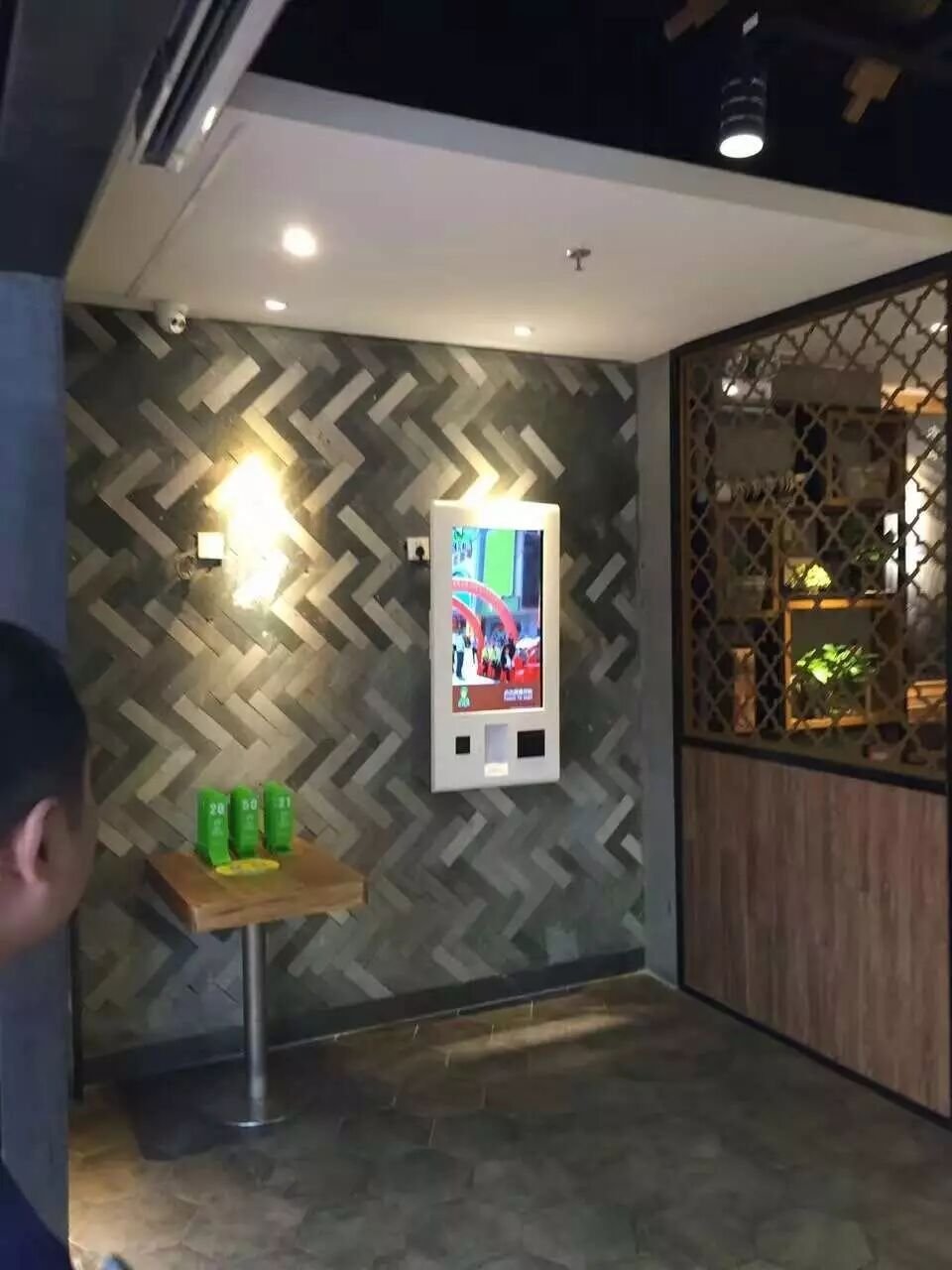
Multilingual Menus Catering to Diverse Consumer Bases
International and metropolitan dining venues frequently welcome patrons from diverse linguistic backgrounds.
Digital menus can be readily configured with multi-language switching capabilities tailored to local customer demographics, enabling international guests to comprehend menu details effortlessly.
For global culinary chains, tourist destinations, and multicultural dining hubs, multilingual digital kiosks deliver a seamless and welcoming ordering experience.
How Self-Checkout Elevates Front-of-House Efficiency
Beyond order capture, settlement represents another vital bottleneck in dining workflows.
Under conventional workflows, employees must verify bills, calculate totals, handle cash or card processing, and issue receipts.
During influxes of guests, counter settlement quickly becomes overwhelmed.
Self-checkout terminals guide customers through structured on-screen prompts to complete transactions autonomously.
From order confirmation to contactless payment, standardized procedures are processed swiftly through digital terminals.
This eliminates repetitive cashier operations for employees while granting customers greater autonomy throughout the payment journey.
Supported payment methods and functional integrations can be tailored flexibly based on the venue’s existing POS architecture and operational setup.
Digital Ordering Enhances Upselling and Recommendation Capabilities
Self-service ordering kiosks do far more than display menus and accept orders; they serve as dynamic, intelligent merchandising displays.
For instance, when a diner selects a main dish, the system can automatically suggest complementary beverages, signature sides, extra toppings, or combo upgrades configured by the operator.
Unlike manual upselling—which staff may forget or hesitate to deliver consistently—digital prompts appear naturally and non-intrusively during the ordering flow.
For operators, this systematically unlocks upselling opportunities and drives average order value (AOV) while eliminating repetitive promotional scripts for staff.
The ultimate sales uplift is realized through strategic menu engineering, bundled offerings, and frictionless customer choices.
Optimizing Staff Workflow and Resource Allocation
The true value of self-service kiosks extends well beyond reducing physical manual labor.
More critically, it enables restaurants to intelligently redistribute their human resources.
Previously, employees spent extensive hours tethered to the front counter handling order entry and cashiering.
With self-service kiosks handling standardized order intake, staff can redirect their energy toward higher-impact responsibilities:
Attentive guest hospitality
Kitchen-to-table food runner coordination
Dining room ambiance and sanitation maintenance
Special order processing
Personalized culinary recommendations
Store floor management and operational oversight
Liberating staff from repetitive administrative mechanics empowers them to excel in areas where human hospitality truly matters.
Flexible Adaptation to Diverse F&B Scenarios
Self-service ordering kiosks are by no means restricted to a single dining format.
Depending on menu structures and operating concepts, they integrate seamlessly across diverse commercial food service environments, including:
Quick-service restaurants (QSRs)
Chinese dining establishments
Western-style casual dining
Cafes and coffee shops
Bakeries and pastry shops
Bubble tea and beverage outlets
Food courts and dining halls
Corporate cafeterias
Institutional canteens
Grab-and-go food outlets
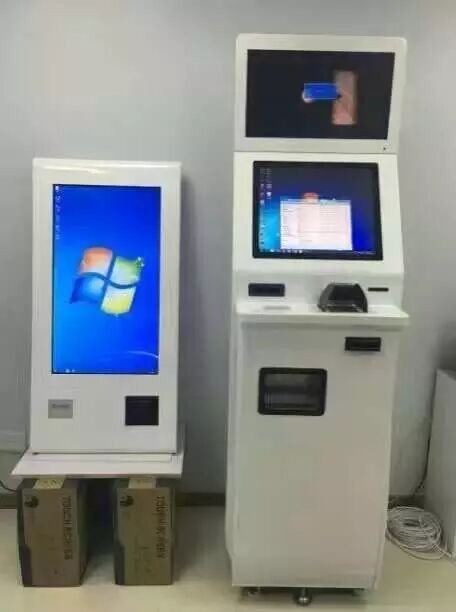
Venues can select optimal kiosk configurations based on service workflows, footprint limitations, and POS system requirements.
For space-conscious stores, flexible mounting options—such as countertop units, wall-mounted displays, or ultra-slim floor-standing kiosks—can be deployed to match any interior layout.
ZXTLCD Self-Service Ordering and Self-Checkout Solutions
ZXTLCD delivers professional digital commercial display and intelligent self-service kiosk solutions tailored for the dining and commercial retail sectors.
ZXTLCD self-service kiosks can be customized comprehensively around digital menu visualization, interactive product customization, order validation, and integrated checkout.
Equipped with responsive commercial-grade touchscreens, patrons can directly browse high-definition digital menus, independently configure products, and follow guided workflows to finalize orders.
During high-traffic peak hours, these self-service terminals serve as a vital complement to traditional counter service, creating additional order intake channels.
Concurrently, interactive menus and autonomous ordering drastically alleviate repetitive staff workloads, allowing restaurant personnel to dedicate their time to hospitable guest service and smooth venue operations.
From Manual Service to Digitalized Operations
Restaurant digitalization does not mean eliminating personal human service.
A more strategic approach is deploying intelligent digital terminals to handle standardized, repetitive processes, thereby freeing staff to focus on empathetic communication and premium hospitality.
Customers enjoy autonomous browsing and customized ordering;
Employees are freed from repetitive counter data entry;
Restaurants gain dynamic flexibility in displaying and updating menus;
Operators can systematically optimize workflows based on empirical operational insights.
Consequently, self-service ordering kiosks and self-checkout terminals are far more than standalone hardware units—they serve as a foundational pillar within a restaurant’s broader digital operational ecosystem.
For dining brands seeking to relieve labor cost pressures, eliminate front-counter queues, and boost peak-hour service throughput, ZXTLCD self-service solutions provide an agile, highly efficient digital workflow.
They minimize customer wait times, eliminate repetitive tasks for staff, and orchestrate smoother, more profitable restaurant operations. In summary, integrating the right Self-Checkout Ordering Kiosk provides long-term operational resilience, reduced labor friction, and enhanced customer satisfaction.
Looking for customized Self-Checkout Ordering Kiosk solutions, commercial touchscreen displays, or OEM/ODM self-service hardware? Feel free to contact the ZXTLCD engineering team for free consultations, product samples, and tailored technical specifications.
Deploying a Self-Service Solution?
To elevate customer experience and streamline ordering or ticketing workflows, explore our AI Self Service Terminal with Large Touchscreen or the versatile Self Service Kiosk for Cinema & Ticketing. For custom hardware integrations, discover our complete line of Custom Self-Service Kiosks or consult our engineering team for sample evaluation.