Industrial Touch Display Mounting Showdown: Embedded or External – Which Should You Choose?
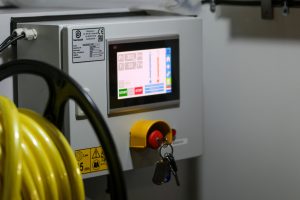
Industrial touch displays mainly come in two mounting styles: embedded (internal) and external. Simply put, the embedded style insets the display into the equipment or control panel, while the external style mounts it directly onto the equipment surface. The two differ considerably in appearance, installation method, and operating environment, so the choice should be based on specific requirements.
Characteristics of Embedded Industrial Touch Displays
Embedded industrial touch displays are usually installed inside control cabinets, machinery, or walls, integrating seamlessly with the equipment. Their main characteristics include:
Aesthetic and tidy: With no protruding parts and a strong sense of integration, they suit scenarios with high appearance requirements.
Safe and stable: Because the edges of the display are enclosed by the equipment, it is less susceptible to external impacts, making it suitable for industrial environments with strong vibration.
Better dustproof and waterproof performance: It can fit tightly against the machinery, reducing the possibility of dust and moisture ingress, making it suitable for food processing, pharmaceuticals, outdoor equipment, and similar environments.
High installation requirements: Holes must be cut in the equipment and the display fixed in place, which may require professional personnel.
Characteristics of External-Mount Industrial Touch Displays
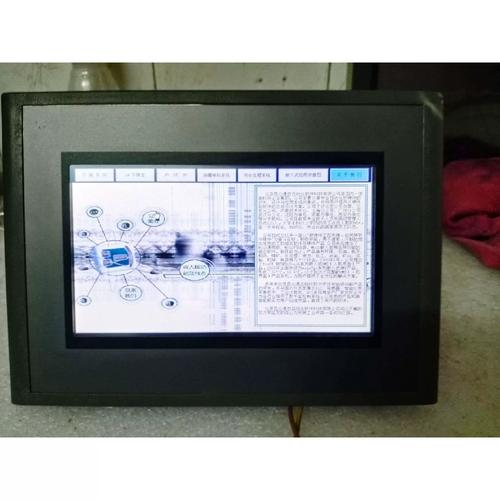
The external style is mounted directly onto the equipment surface, similar to how ordinary displays are installed. Its main characteristics are as follows:
Easy installation: No cutouts or special fixing are required; the display simply needs to be secured to a rack or bracket, making maintenance more convenient.
Stronger compatibility: It can be adapted to more equipment without being restricted by the machinery's structure, making it suitable for later upgrades or replacements.
More susceptible to external influences: Being externally mounted, it is vulnerable to external impacts, and its protection performance is slightly inferior to the embedded style.
Takes up more space: Because the display protrudes from the equipment surface, it affects overall compactness and may restrict the equipment's operating area.
How to Choose a Suitable Industrial Touch Display?
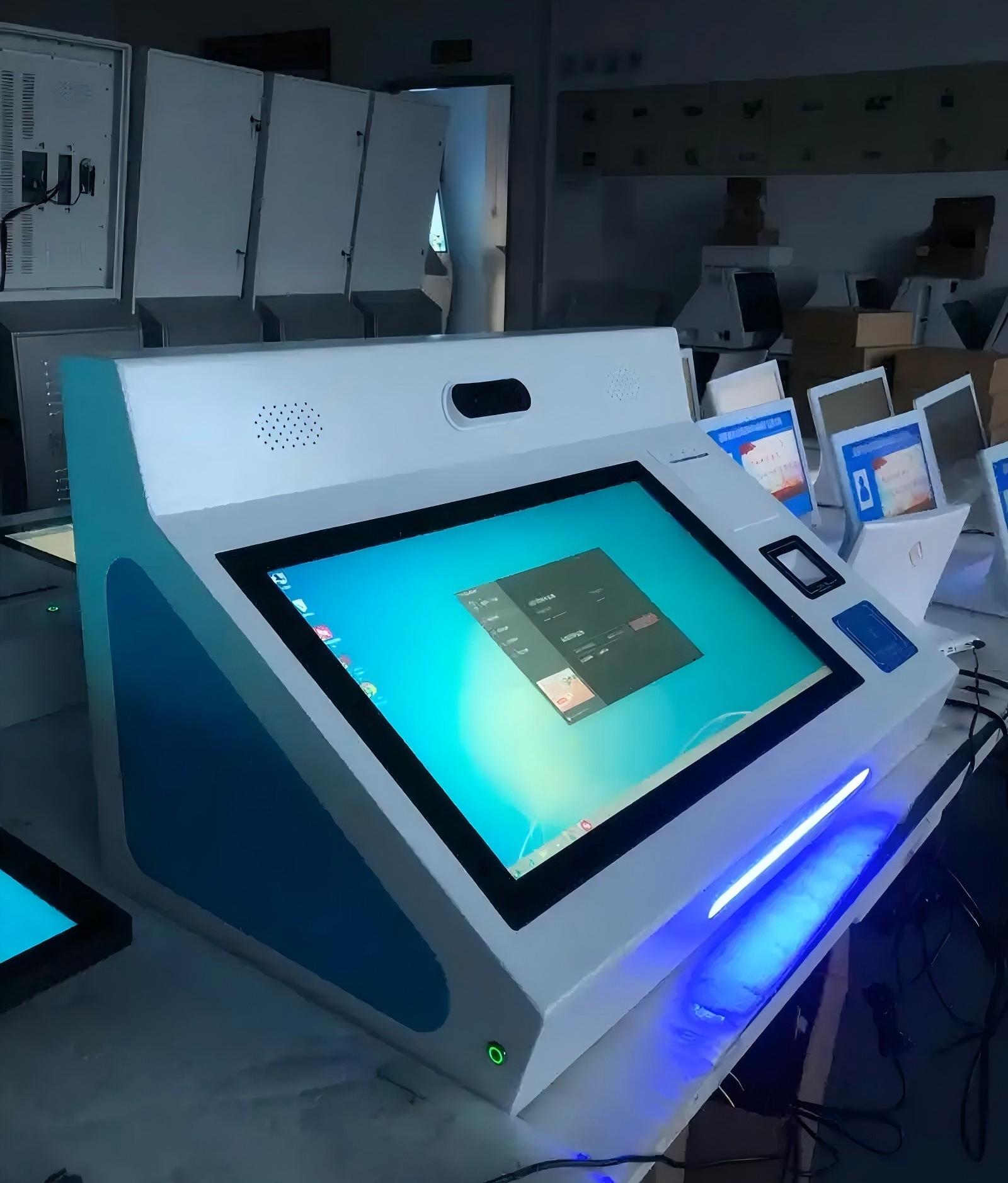
When selecting an industrial touch display, in addition to the mounting method, you also need to consider the actual application environment and usage requirements. Here are some key factors:
Installation environment: If the equipment design allows cutouts and appearance and protection requirements are high, the embedded style is recommended. If the equipment is unsuitable for cutouts, or quick replacement is needed, the external style is more appropriate.
Usage scenario: In food processing, pharmaceuticals, outdoor, industrial automation, and similar environments, the embedded style is recommended for better dust and water protection. For factory equipment retrofits, temporary installations, or testing environments, the external style is more flexible.
Budget and maintenance: Embedded industrial touch displays are relatively expensive due to their complex installation process, but their long-term maintenance costs are lower. The external style may have a price advantage, but long-term use requires attention to protection to avoid accidental damage.
When choosing a brand, pay attention to the industrial touch display manufacturer's production processes, product stability, and the market reputation of the industrial touch display brand. Brands with rich experience in the industrial display equipment field offer industrial touch displays with multiple mounting methods to meet different environmental needs.
Conclusion
Embedded and external industrial touch displays each have their own advantages and disadvantages. The choice should take into account equipment requirements, usage environment, maintenance costs, and other factors. For enterprises with long-term, stable usage needs, embedded is the better choice, while the external style is suitable for scenarios requiring flexible deployment or frequent equipment layout adjustments. When purchasing, it is advisable to compare all-in-one industrial touch display prices and choose the most cost-effective solution to ensure long-term stable operation of the equipment.
When specifying a industrial display, integrators should match the display configuration to the actual installation space, control system, viewing conditions, and expected duty cycle.
ZXTLCD can configure a industrial display around project-specific requirements such as panel size, brightness, touch technology, interfaces, mounting method, and environmental protection.
Looking for Reliable Industrial Displays?
If you need an industrial-grade touch monitor for harsh environments, control cabinets, or technical test benches, explore our 15.6-Inch Industrial Touch Screen Display or the compact 10.1-Inch PCAP Touch Monitor designed for precision equipment. You can also browse our full line of Custom Embedded Displays with complete OEM/ODM manufacturing support.