Purchasing Considerations for Embedded Industrial-Grade Monitors: A Complete Guide to Cabinet Integration and Mounting Methods
In industrial automation control systems, embedded industrial-grade monitors have become a common choice for control rooms and operator terminals thanks to their ability to integrate seamlessly with cabinet equipment. Compared with standalone monitors, embedded products save installation space, improve the overall appearance of the equipment, and reduce the risk of equipment damage from accidental collisions.
Core Advantages of Embedded Mounting
The embedded mounting method inserts the main body of the monitor into the cabinet panel or console surface, so the monitor's outer surface is flush with or slightly protrudes from the mounting surface. In a compact control cabinet, every centimeter of space is precious; the embedded design makes effective use of the panel area, avoiding the space occupied by the additional brackets or cantilever arms required by standalone monitors.
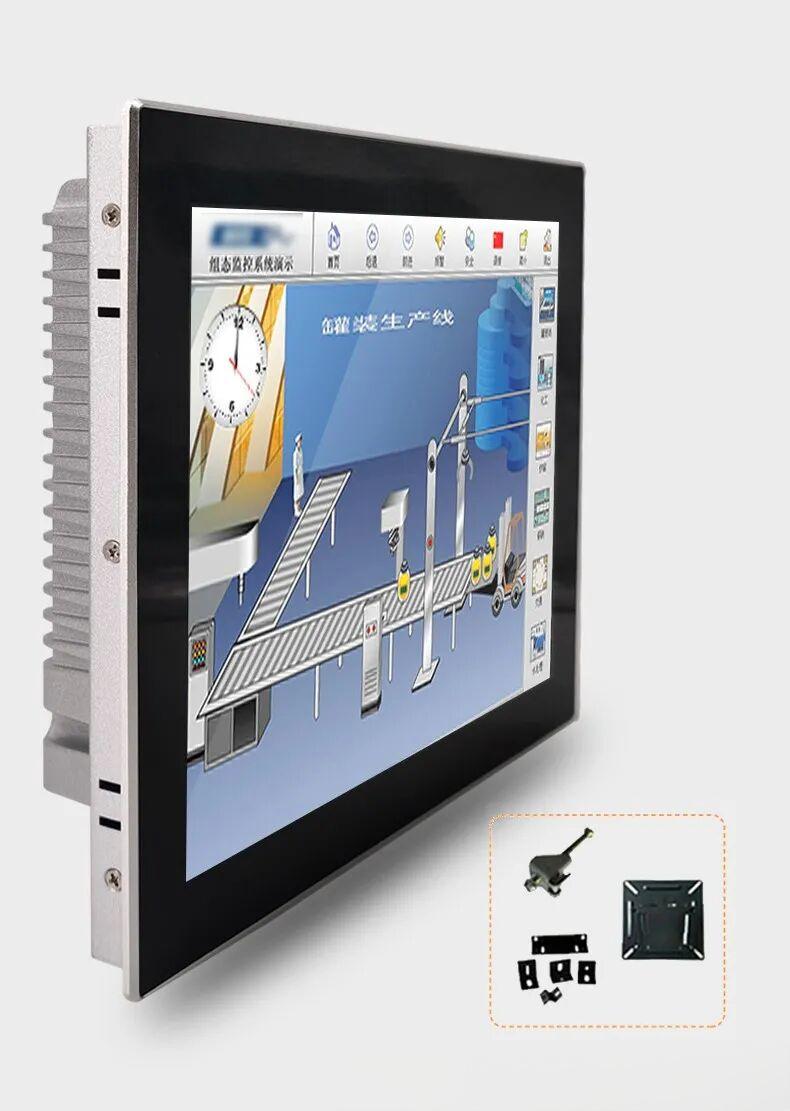
Embedded industrial-grade monitors feature an ultra-thin front panel design, with the thinnest part of the whole unit controlled within 50 millimeters, allowing them to fit most standard cabinet cutout sizes on the market. The flush treatment between the front panel and the cabinet edge makes touch operation easy for operators in narrow spaces, and also avoids the risk of protruding equipment being accidentally bumped during maintenance or material handling.
Cutout Dimensions and Panel Compatibility
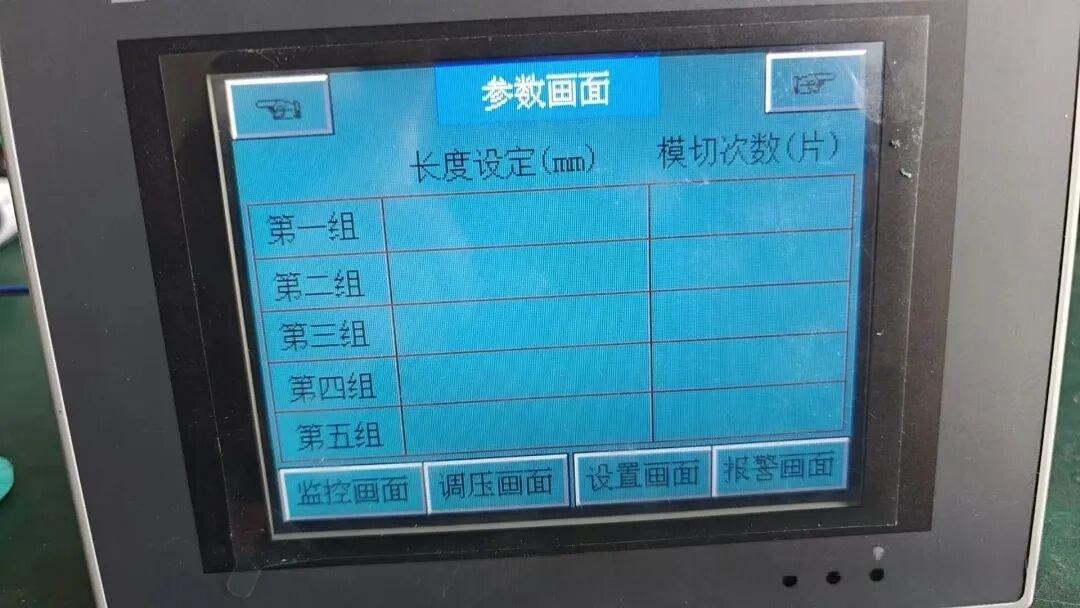
Before purchasing an embedded monitor, accurately measuring the cabinet's reserved cutout dimensions is the first step. Common cabinet cutout sizes include 10-inch, 12-inch, 15-inch, 17-inch, 19-inch, and other specifications, corresponding to different monitor sizes. Embedded industrial-grade monitors offer full-size coverage from 10 to 21.5 inches, making it easy for users to match and select models according to existing cabinet conditions.
Particular attention should be paid to the panel fixing method. Mainstream solutions include screw fixing and clip fixing. Screw fixing offers good stability but is relatively cumbersome to disassemble; clip fixing is suitable for scenarios requiring frequent maintenance or equipment replacement.
Protection and Heat Dissipation Design
Although embedded mounting itself does not reduce the monitor's protection performance, the mounting method affects the overall protection effect. In dusty or humid environments, the gap between the monitor and the cabinet panel can become a channel for dust or moisture intrusion. Embedded industrial-grade monitors come standard with IP65-rated sealing strips, which can be embedded into the gap between the monitor and the cabinet during installation to form a reliable sealing interface.
Heat dissipation design deserves special attention. Since the main body of the monitor is enclosed inside the cabinet, heat dissipation conditions are more demanding than for standalone equipment. Using full aluminum alloy front-panel heat conduction technology, the heat generated during monitor operation is conducted through the metal housing to the cabinet panel, achieving passive heat dissipation. This design avoids the dust accumulation problems brought by active cooling and is particularly suitable for long-term use in dusty environments.
Electrical Interfaces and Signal Compatibility
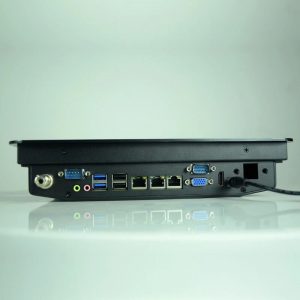
When purchasing, you need to confirm the video signal types supported by the monitor, including mainstream interfaces such as VGA, DVI, HDMI, and DisplayPort. Embedded industrial-grade monitors come standard with dual VGA and DVI interfaces, with optional HDMI or DisplayPort interfaces available as needed.
The USB touch signal interface is usually configured separately; some products also provide serial or USB external controller interfaces to be compatible with control cards or touch driver solutions from different manufacturers. For power interfaces, industrial monitors mostly adopt wide-voltage input designs, supporting AC 100-240V or DC 12-36V and other power supply specifications, facilitating deployment at industrial sites with different power distribution conditions.
Selection Recommendations
The selection of embedded industrial-grade monitors should comprehensively consider cabinet conditions, protection requirements, heat dissipation methods, and signal compatibility. In existing cabinet renovation projects, existing cutout dimensions should be measured first and compatible monitor specifications selected. In new projects, cabinet cutouts can be reserved according to the selected monitor size for a better match. For scenarios where operators need to frequently touch the monitor, the embedded mounting method provides a flatter operating surface and reduces the risk of operating errors.
For project planning, a embedded industrial display should be evaluated together with the mounting structure, signal interfaces, touch method, operating environment, and maintenance requirements.
When specifying a embedded industrial display, integrators should match the display configuration to the actual installation space, control system, viewing conditions, and expected duty cycle.
ZXTLCD can configure a embedded industrial display around project-specific requirements such as panel size, brightness, touch technology, interfaces, mounting method, and environmental protection.