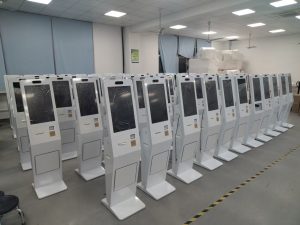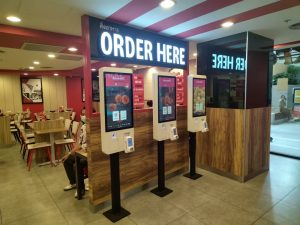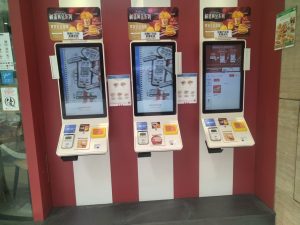
The goal of self-service is not to remove hospitality but to move repetitive transaction steps into a clear digital workflow.
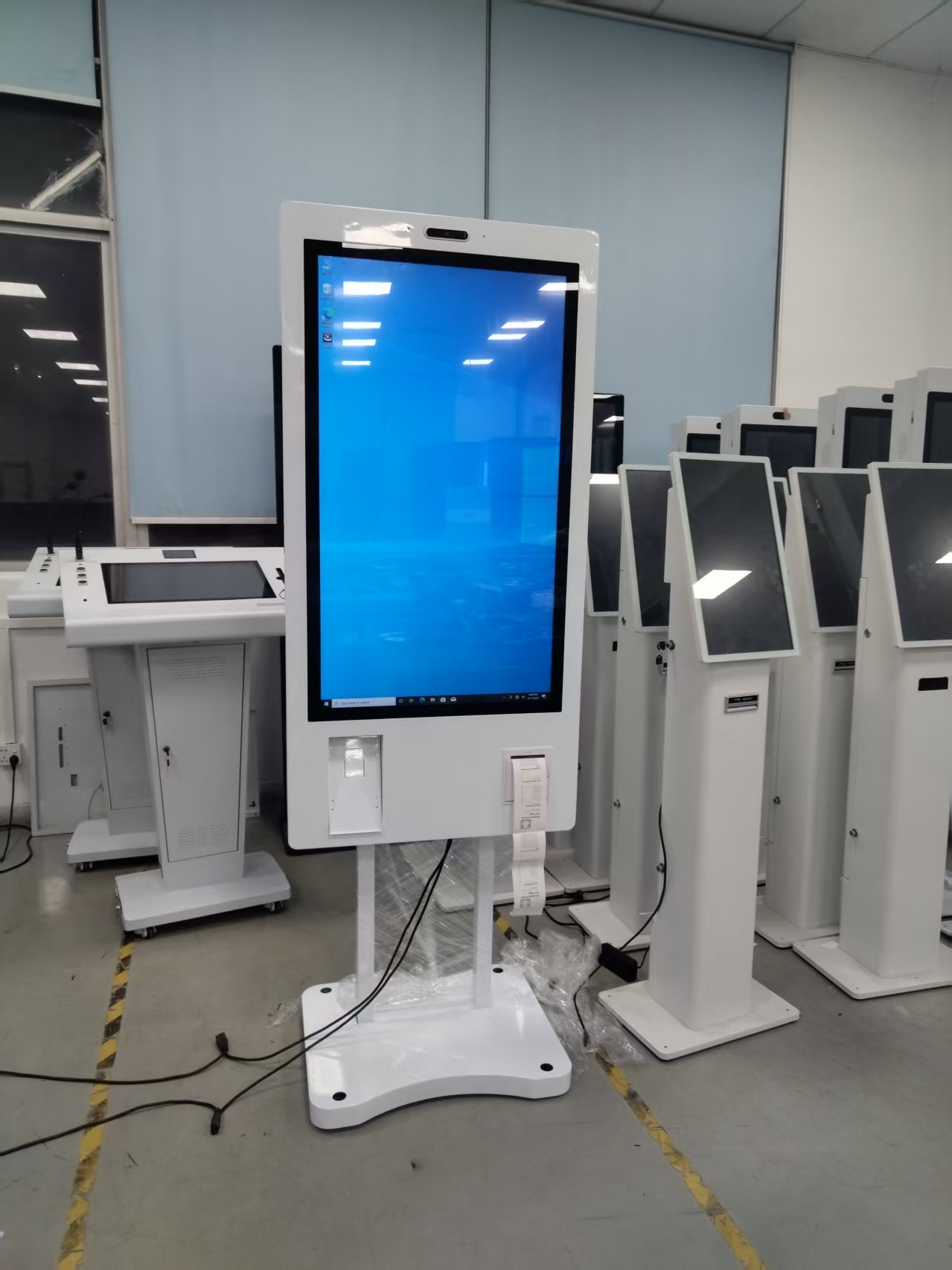
Over the past few years, self-ordering kiosks have rapidly proliferated in the food industry. The demand for convenience and efficiency has driven this transformation, making these devices a game-changer for the restaurant business. This article explores the factors fueling the popularity of self-ordering kiosks, from enhanced guest experience to operational efficiency and business costs.
Enhancing the guest Experience
Personalization and customization
The rise of self-ordering kiosks is inseparable from their unmatched level of personalization. Guests can easily customize orders – from choosing ingredients to adjusting portion sizes – meeting individual taste preferences and boosting overall satisfaction.
Faster service, less waiting
Devices like square self-ordering kiosks eliminate the frustration of queuing by accelerating the ordering process. Guests can quickly browse the menu, place orders, and pay without waiting for staff intervention, achieving an efficient dining experience.
Improving Operational Efficiency
Streamlining restaurant operations
Self-ordering kiosks give restaurant owners a powerful tool to streamline the entire ordering process, reducing the likelihood of errors and delays. By seamlessly integrating orders into the kitchen management system, chefs can work more efficiently, ensuring every dish is prepared promptly and accurately.
Integration with kitchen management systems
The synergy between self-ordering kiosks and kitchen management systems minimizes the possibility of communication errors through real-time communication, improves overall efficiency, and makes front-end and back-end operations smoother.
Reducing Business Costs
Lower labor costs
In the restaurant industry, controlling labor costs is critical. Self-ordering kiosks allow businesses to optimize staffing levels during peak hours and reduce the need for surplus personnel, thereby lowering labor expenses.
Long-term financial benefits
Although the initial investment in self-ordering kiosks may be significant, through labor-cost savings and efficiency gains, businesses can reap substantial economic benefits in the long run, delivering a positive bottom line for enterprises making this technological shift.
Human-Centered Design
The importance of intuitive interfaces
A successful self-ordering kiosk depends on user-friendliness. Intuitive interfaces ensure that guests of all ages and technical backgrounds can navigate the system with ease. Design must consider accessibility, simplicity, and clarity to create positive user interactions.
Accessibility considerations
Design must account for diverse guest groups, such as people with disabilities. Accessibility features like voice-guided navigation and text-to-speech improve accessibility, ensuring self-ordering kiosks are inclusive and meet a wide range of user needs.
The popularity of self-ordering kiosks in the food industry is not a fleeting trend but a transformative shift. From improved guest experience and operational efficiency to cost savings for businesses, self-ordering kiosks have become an important part of the modern dining landscape. As technology continues to evolve, self-ordering kiosks will continue to bring exciting new possibilities to how people order and experience food.
Practical Conclusion
Restaurant self service technology can improve menu access, order accuracy and flexibility when hardware, software and staff support are planned together. The final configuration should be verified against the real menu, transaction flow, installation space and support plan before deployment.
Deployment and Operating Checks
Planning for restaurant self service technology should begin with the actual service flow rather than a generic demonstration setup. Before launch, test the workflow associated with restaurant self service technology during realistic peak demand and confirm how staff will assist users. Documentation for restaurant self service technology should cover cleaning, updates, network recovery and peripheral checks. A deployment involving restaurant self service technology should pass consistent information to payment and back-office systems.
Explore related hardware configurations in the self-service kiosk product range.