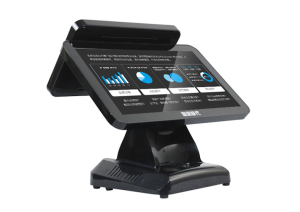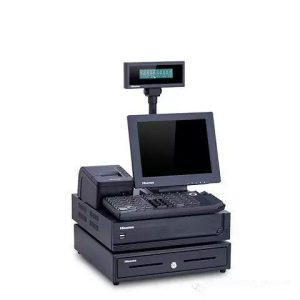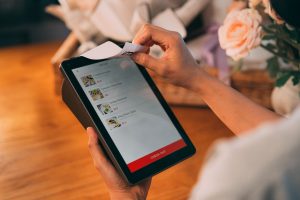
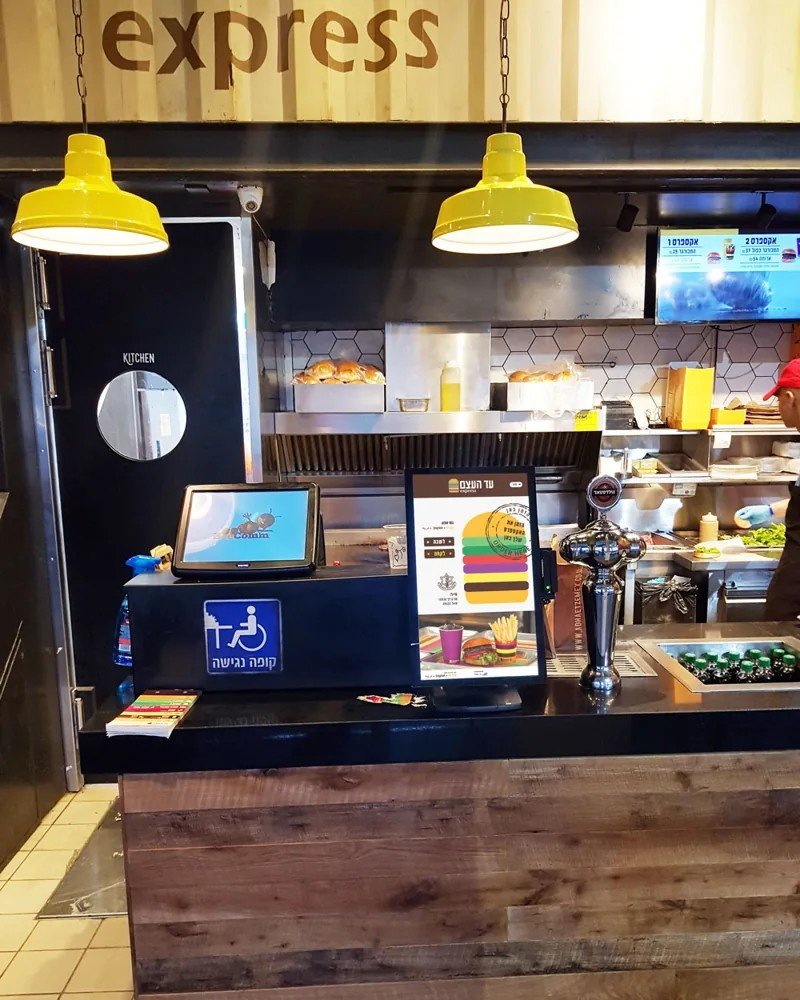
Deploying a high-performance Hotel Check-In Kiosk TCO provides commercial dining and retail venues with an advanced automated workflow. Hotels introduce self-check-in kiosks primarily to alleviate repetitive front desk workloads, shorten guest check-in wait times, and provide seamless, around-the-clock arrival experiences. However, installing hardware does not automatically guarantee operational cost savings. If a kiosk fails to integrate smoothly with the hotel’s property management system (PMS), features cumbersome workflows, or frequently requires staff intervention, the actual economic returns may fall far short of expectations.
Determining whether hotel self-check-in kiosks are a worthwhile investment cannot be judged solely by initial hardware prices or crude head-count reduction metrics. Whether the terminal genuinely integrates into existing hotel operational workflows is the ultimate deciding factor for long-term success.
Hotel Check-In Kiosk TCO: Why Are Hotels Focusing on Self-Check-in Kiosks?
Traditional hotel front desks handle check-in registration, ID credential verification, room allocation, key card encoding/issuance, and check-out billing. During peak check-in windows, these duties concentrate within narrow timeframes, causing lobby congestion and long queues. For hotels with lean staffing, front desk agents must concurrently manage phone inquiries, guest concierge requests, and administrative tasks.
A self-check-in kiosk shifts standardized transactional workflows onto an automated interactive terminal. Guests follow on-screen prompts to complete identity verification, room confirmation, and digital key card dispensing. The specific functions realized depend on PMS integration, ID verification methods, and hardware peripheral compatibility.
For hotels seeking to enhance late-night check-in experiences and reduce repetitive clerical overhead, self-check-in kiosks offer tangible operational value. However, kiosks are best suited for structured, rule-based check-in workflows rather than completely replacing front desk personnel across complex hospitality scenarios.
Equipment Investment Extends Far Beyond Initial Purchase Price
Evaluating the true cost of self-check-in kiosks begins with initial hardware procurement, yet hardware represents only a portion of total capital and operating expenditures.
Before deployment, hotels must verify compatibility between the kiosk hardware and their existing Property Management System (PMS). Integrating identity authentication, credit card payment gateways, digital room key card encoders, and government guest registration interfaces often involves API development, software middleware configuration, and on-site testing. Implementation workloads vary substantially across different hotel IT architectures.
Lobby placement directly affects installation and retrofit expenses. Physical floor space, electrical infrastructure, structured Ethernet wiring, and natural guest traffic flow must all be planned during early project design. If post-installation layout friction, awkward screen angles, or confusing on-screen steps emerge, hotels face costly layout rearrangements and software UI redesigns.
Furthermore, ongoing operational budgets must account for routine preventive maintenance, operating system patches, consumable replenishments (such as key cards and receipt paper rolls), and field-service troubleshooting. Evaluating both upfront implementation capital and total cost of ownership (TCO) yields an accurate assessment of whether the investment fits the hotel’s business model.
Why Do Some Hotels Still Rely Heavily on Front Desks Despite Installing Kiosks?
Whether a self-check-in kiosk truly reduces front desk labor hinges on whether it resolves bottlenecks within actual operational workflows.
If a kiosk only captures guest information without bi-directional PMS synchronization, front desk staff must re-enter or manually confirm bookings on backend systems. If guests encounter frequent friction during ID scanning, facial recognition matching, payment authorization, or key card dispensing, staff must step in repeatedly. Such deployments add expensive hardware without reducing front desk workloads.
User experience design is another frequently overlooked factor. Hotel guests vary widely in age demographics, language proficiency, and technological comfort. Ambiguous UI prompts, excessive screen steps, and confusing error screens drive guests away from kiosks back to manual counters.
Therefore, when selecting self-check-in kiosks, hoteliers must look beyond raw screen size, cosmetic styling, and hardware specs to evaluate workflow ergonomics, system compatibility, exception-handling design, and field serviceability.
How Can Hotel Self-Check-in Kiosks Deliver Sustained Long-Term Value?
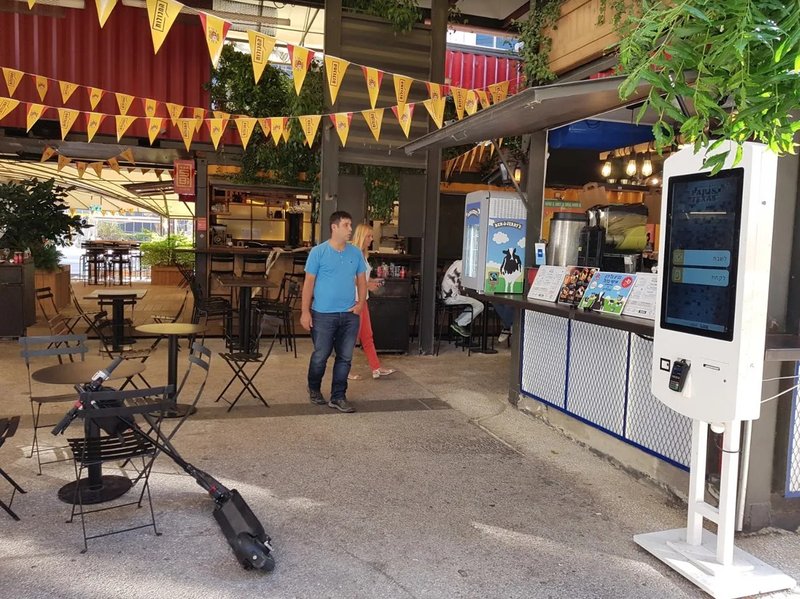
The most pragmatic methodology is auditing existing front-of-house check-in workflows before procuring hardware. Identify which standardized tasks are suitable for automation and which scenarios require high-touch human service. For instance, standard pre-paid reservations can be processed via self-service terminals, while room upgrades, special amenity requests, or registration discrepancies remain handled by front desk hosts.
During hardware selection, hotels should specify required modular capabilities in advance: ID/passport MRZ readers, EMV/NFC payment terminals, RFID key card dispensers/encoders, multi-language UI toggles, and certified PMS interface protocols. More hardware modules do not necessarily yield better outcomes; seamless alignment with actual operational processes is what matters.
For hotel chains and hospitality management groups, centralized remote fleet management, real-time hardware status monitoring, and automated fault reporting are crucial. Proactive fleet monitoring ensures peripheral issues (such as empty key card hoppers or jammed card dispensers) are flagged and resolved before kiosks sit idle.
Before rolling out kiosks fleet-wide, run a pilot deployment in selected properties to observe real guest interaction patterns, identify common operational friction points, and measure manual intervention rates. Refining interface flows based on empirical pilot data is far more dependable than relying on promotional vendor brochures.
How Should Hotels Calculate the True Return on Investment (ROI)?
Hoteliers should avoid calculating ROI based solely on eliminated labor headcounts. Return on investment should be measured holistically through utilization rates, transaction completion times, staff intervention frequencies, and maintenance expenditures.
For instance, if kiosks reliably process high volumes of standard arrivals, eliminate peak-hour lobby bottlenecks, and free front desk staff to focus on personalized concierge service and guest hospitality, the commercial return manifests not just in reduced payroll pressure, but in elevated guest satisfaction ratings and repeat bookings.
Conversely, if a boutique hotel handles modest guest volumes with an already efficient manual desk, or faces exorbitant custom PMS integration costs, the hardware payback horizon will be significantly extended. Deployment scale, kiosk quantities, and hardware specifications should be tailored to property size, guest demographics, and specific business needs rather than following industry trends blindly.
What Should Be Evaluated from a Hardware Manufacturer/Vendor Perspective?
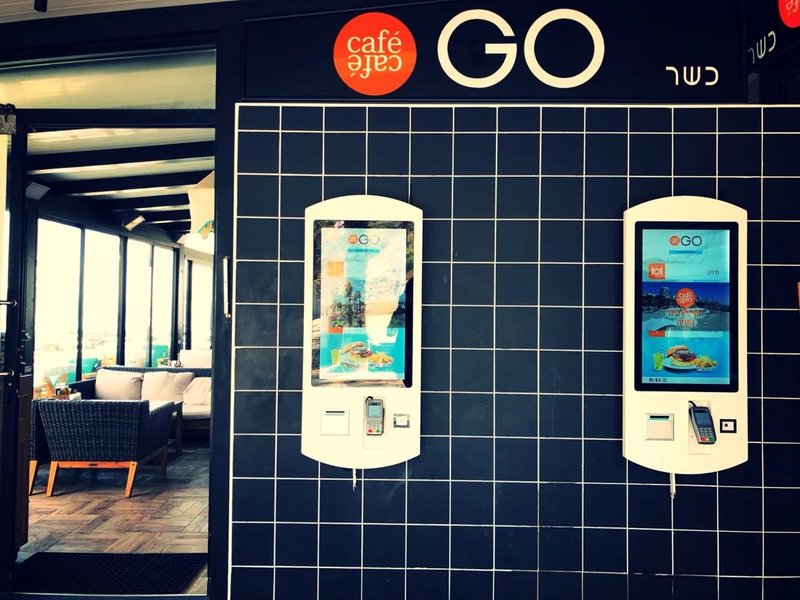
From a kiosk OEM and hardware vendor perspective, a successful hotel kiosk must combine rugged, commercial-grade hardware with adaptability to diverse operational environments. Hardware vendors should collaborate closely with hotel operators during early project scoping to clarify use cases, PMS interface specifications, functional modules, and site conditions before proposing hardware configurations.
On the hardware side, evaluate touchscreen durability, industrial chassis structural rigidity, peripheral connector layouts, modular component access, and ease of field servicing. For continuous 24/7 commercial duty cycles, assess thermal heat dissipation and modular enclosure accessibility under real-world operating loads.
On the software and systems side, define clear technical boundaries between kiosk firmware and the hotel’s PMS platform. Establish which transactions are handled by backend servers, which workflows run locally on the kiosk, and how network dropouts or transaction timeouts are presented gracefully to guests.
For multi-property chain rollouts, maintain hardware configuration consistency, modular upgrade paths, and dependable after-sales technical SLAs. Addressing these technical fundamentals upfront minimizes post-deployment integration and maintenance costs.
Conclusion
Hotel self-check-in kiosks are neither guaranteed cost-saving miracles nor inevitable financial money pits. Their true commercial value is determined by hardware reliability, PMS integration quality, workflow ergonomics, guest adoption rates, and structured maintenance support.
For hoteliers, the critical strategic question is not whether to follow automation trends, but whether the technology genuinely solves specific operational bottlenecks. Defining operational requirements, selecting compatible hardware and software architectures, and continuously refining workflows through empirical deployment data ensures self-service kiosks serve as powerful operational accelerators rather than burdensome capital liabilities. In summary, integrating a reliable Hotel Check-In Kiosk TCO solution reduces operational labor costs, shortens customer wait times, and maximizes store throughput.
Looking for customized Hotel Check-In Kiosk TCO hardware, commercial touchscreen displays, or OEM/ODM self-service solutions? Feel free to contact the ZXTLCD engineering team for free consultations, product specifications, and tailored volume pricing.
Deploying a Self-Service Solution?
To elevate customer experience and streamline ordering or ticketing workflows, explore our AI Self Service Terminal with Large Touchscreen or the versatile Self Service Kiosk for Cinema & Ticketing. For custom hardware integrations, discover our complete line of Custom Self-Service Kiosks or consult our engineering team for sample evaluation.