Digital Ordering Kiosk Trend: Self-Service Ordering Kiosks: Becoming an Essential Fixture for the Future of Restaurants
Deploying a modern Digital Ordering Kiosk Trend has become a vital strategic step for businesses aiming to optimize workflow. Artificial intelligence and smart interactive terminals have become focal points of innovation across today’s food and beverage industry. From intelligent service robots to digital store management platforms, diverse smart retail products are rapidly integrating into restaurant spaces—and self-service ordering kiosks have emerged as one of the most vital categories.
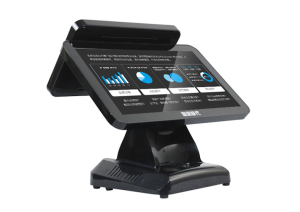
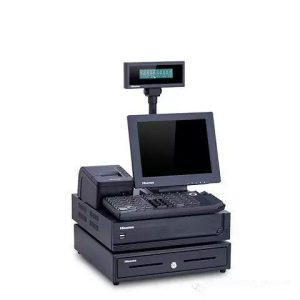
Essentially, a self-service ordering kiosk is an intelligent commercial terminal designed to help dining establishments streamline customer-facing ordering and payment workflows. The rapid penetration of these devices across commercial dining markets is directly attributable to their practical, high-impact utility.
During peak dining hours, restaurants frequently encounter common operational pain points: protracted queue times that lead to customer drop-off; manual cashier discrepancies in transaction totals or ticket recording; limited payment methods that bottleneck checkout speed; heavy recruitment and scheduling pressures for floor staff; kitchen prep bottlenecks caused by sudden waves of batched tickets; and the inability of managers to obtain real-time, comprehensive visibility into store performance.
The deployment of self-service ordering kiosks directly mitigates many of these pressing operational bottlenecks.
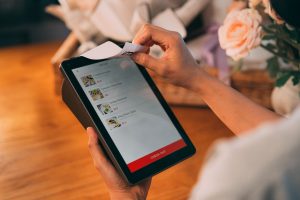
When interacting with a self-service ordering kiosk, customers can independently browse the visual menu, customize and select dishes, confirm order summaries, and finalize payment. The terminal seamlessly accommodates diverse payment methods based on hardware and software configurations.
Once an order is confirmed, ticket data synchronizes instantly with the restaurant’s central management backend and kitchen display systems (KDS). This eliminates manual data re-entry errors and accelerates order routing and preparation.
Consequently, kiosks elevate the patron dining journey, alleviate counter staff stress during rush periods, and boost overall operational throughput.
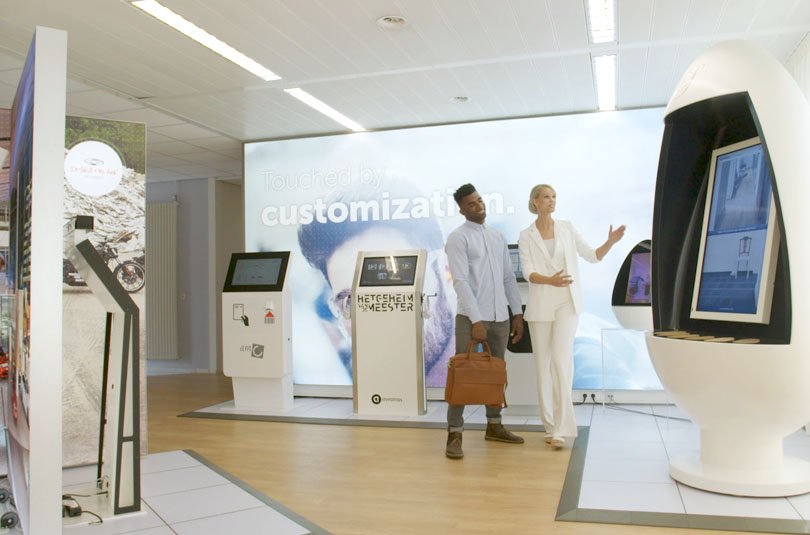
Key Benefits Self-Service Ordering Kiosks Bring to Restaurants
Self-service ordering kiosks shoulder significant portions of traditional counter ordering and cashier responsibilities. Patrons can effortlessly personalize dishes, select combo options, specify ingredient preferences, and settle bills using integrated payment options.
For diners, self-service eliminates tedious waiting in line for staff assistance, granting total freedom to explore menu offerings and select meals with greater autonomy. It delivers a simpler, more intuitive, and visually engaging ordering journey for every guest.
For restaurant frontline staff, kiosks offload high-volume, repetitive order-taking and transaction handling to intelligent hardware.
Service personnel no longer need to remain anchored behind the counter processing routine, standardized tickets. Instead, they can reallocate their attention to expediting food prep, packaging takeout orders, bussing tables, and attending to personalized customer requests, greatly relieving peak-hour workload stress.
For restaurant managers and business operators, kiosks reduce operational labor expenditures while providing robust digital sales analytics that deliver granular insights into store performance.
Therefore, a self-service ordering kiosk is far more than an isolated ordering device—it serves as a pivotal digital bridge uniting diners, floor operations, and backend management.
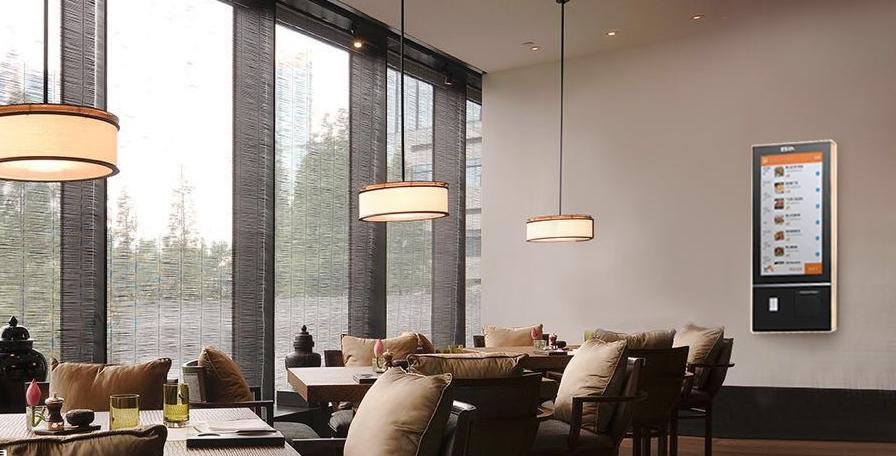
Boosting Operational Throughput in Fast-Paced Restaurants
In conventional counter ordering, service staff must repeatedly recite menu specials, transcribe custom specifications, calculate bill totals, and process payments.
During peak meal times, an influx of concurrent orders quickly overwhelms the counter, generating severe congestion and diner frustration.
With self-service kiosks, customers interact directly with the high-definition touchscreen to configure orders and submit payment. Order tickets flow instantly to the kitchen and POS backend according to predefined system logic, bypassing the delays of verbal communication and manual ticket running.
Simultaneously, the large commercial display vividly showcases mouth-watering food photography, pricing tiers, promotional bundles, and special deals, empowering patrons to make confident dining decisions swiftly.
This digitalized approach accelerates service velocity while systematically removing redundant manual labor from the front of house.
ZXTLCD Self-Service Kiosks Tailored for Diverse Commercial Dining Environments
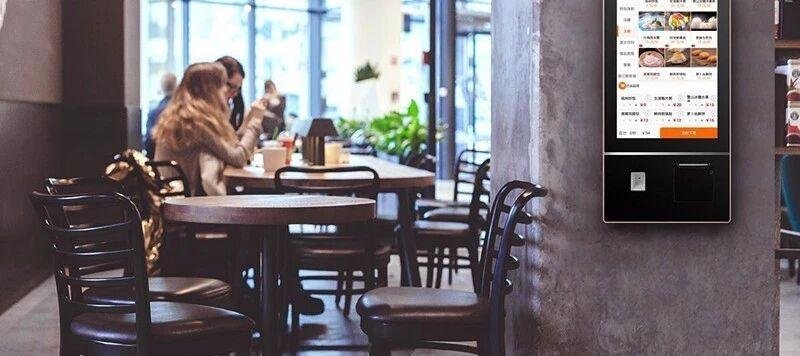
ZXTLCD self-service ordering kiosks support diverse mounting configurations—including sleek wall-mounted installations, floor-standing pedestals, and compact countertop designs—tailored to distinct restaurant footprints and architectural layouts.
These terminals feature commercial-grade interactive touchscreens available in multiple sizes to render dynamic menus, vivid food imagery, pricing, combo packages, and promotional marketing content in stunning detail.
For milk tea shops, quick-service eateries, dessert cafes, coffee houses, institutional canteens, and other compact commercial spaces, self-service kiosks function as independent ordering stations that effectively disperse queue congestion away from the front counter.
In space-constrained venues, strategically deploying one or more kiosks expands order-taking capacity without demanding additional square footage or payroll overhead.
Why Self-Service Kiosks Are Becoming Critical Equipment for Tomorrow’s Restaurants
As the foodservice sector accelerates its digital transformation, consumer expectations for rapid fulfillment, effortless interaction, and autonomous ordering continue to rise.
Self-service ordering kiosks seamlessly integrate interactive menu merchandising, product configuration, ticket confirmation, omnichannel payment, and backend order management into a cohesive digital workflow.
They do not exist to replace human hospitality; rather, they delegate repetitive, standardized tasks to intelligent terminals, empowering staff to focus their expertise on food quality, warm hospitality, and bespoke customer care.
For restaurants aiming to accelerate service velocity, optimize workforce scheduling, and deliver exceptional dining experiences, self-service ordering kiosks are becoming indispensable cornerstones of modern restaurant digitalization.
ZXTLCD continues to develop high-performance self-service ordering kiosks, commercial touch display terminals, and intelligent digital signage solutions, empowering fast-food chains, milk tea brands, dessert parlors, cafes, and canteens with versatile, agile digital ordering infrastructure. In summary, integrating the right Digital Ordering Kiosk Trend provides long-term operational resilience, reduced labor friction, and enhanced customer satisfaction.
Looking for customized Digital Ordering Kiosk Trend solutions, commercial touchscreen displays, or OEM/ODM self-service hardware? Feel free to contact the ZXTLCD engineering team for free consultations, product samples, and tailored technical specifications.
Looking for Reliable Industrial Displays?
If you need an industrial-grade touch monitor for harsh environments, control cabinets, or technical test benches, explore our 15.6-Inch Industrial Touch Screen Display or the compact 10.1-Inch PCAP Touch Monitor designed for precision equipment. You can also browse our full line of Custom Embedded Displays with complete OEM/ODM manufacturing support.