Deploying a modern Self-Service Machine Maintenance has become a vital strategic step for businesses aiming to optimize workflow. With the widespread adoption of card dispensing and collecting kiosks across highway toll stations, the routine maintenance and upkeep of these machines has become a pivotal task. To effectively execute this work, the Fenhu Toll Station proceeds from practical conditions, focuses on granular details, remains grounded in reality, and continuously synthesizes operational experience to ensure the robust and efficient functioning of on-site self-service equipment.
1. Strengthening Daily Operational Management and Maintenance with a Self-Service Machine Maintenance
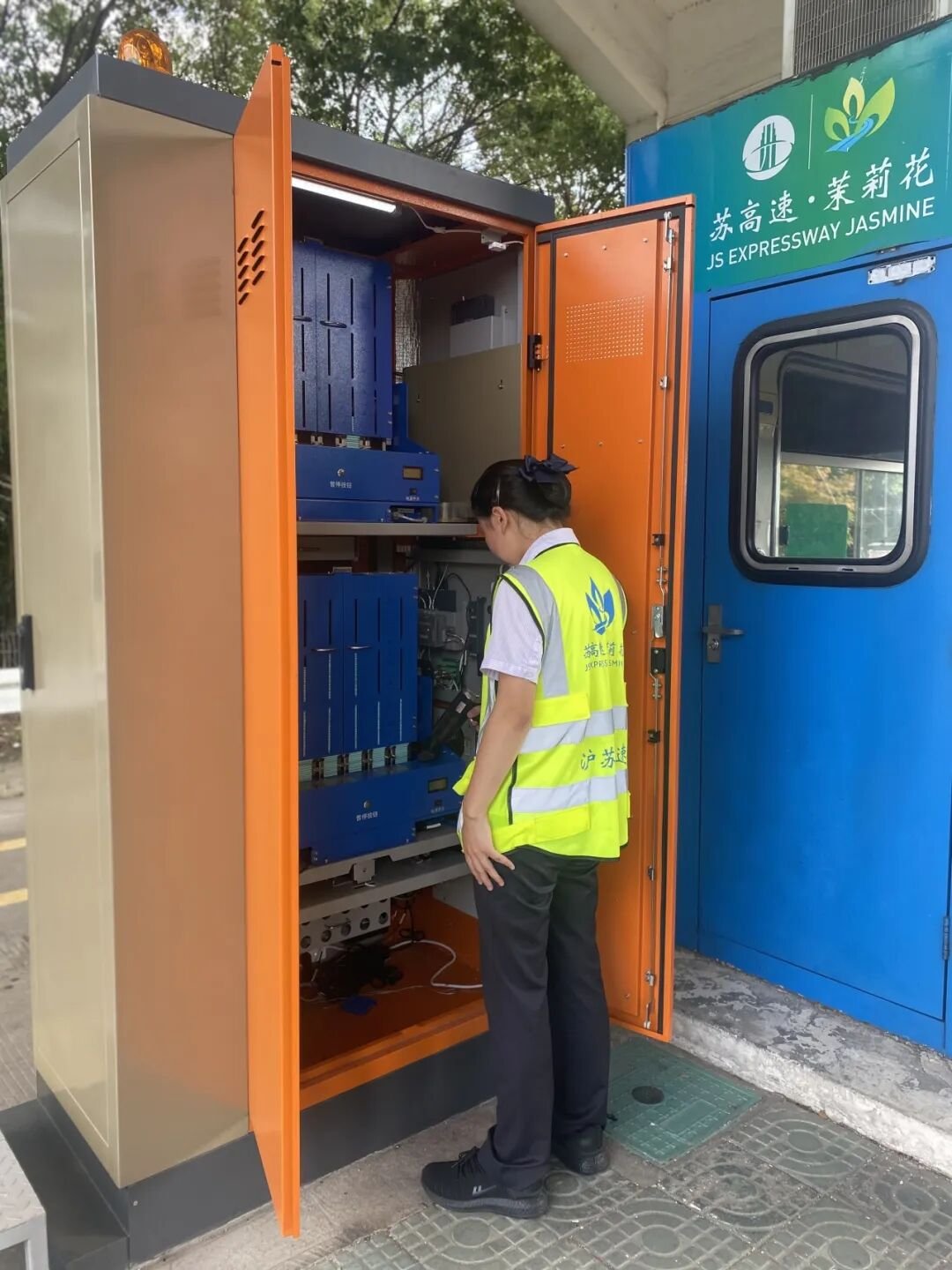
Toll collectors are required to conduct routine inspections before shift handovers, promptly troubleshooting and resolving abnormal noises or faults that emerge during equipment operation. When encountering complex or persistent technical difficulties, staff must promptly report to the shift supervisor and contact service engineers.
2. Enforcing Thorough On-Duty Cleaning Routines
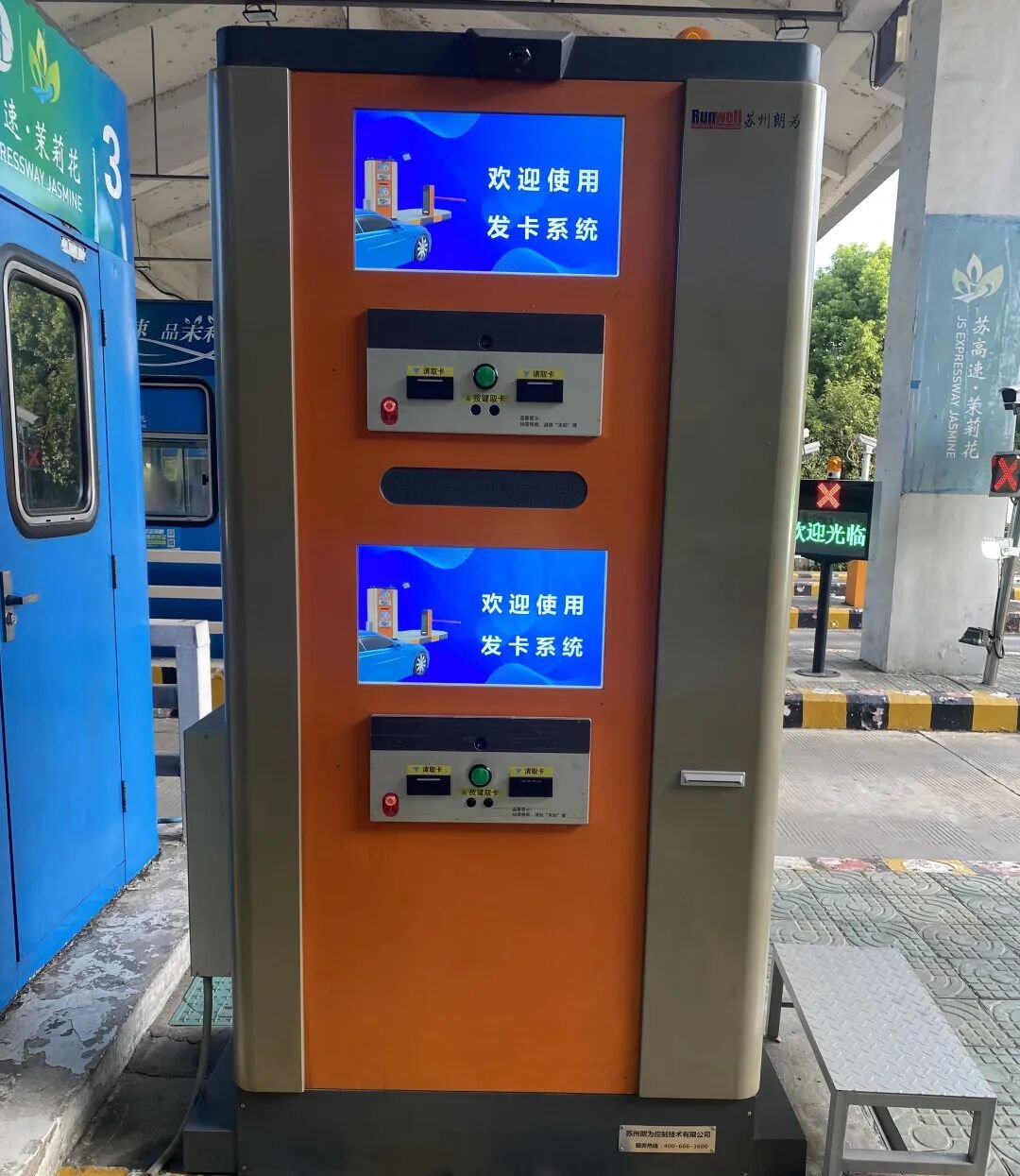
Sanitation personnel are tasked with meticulously clearing spiderwebs and accumulated dust from the “Minion” kiosks during their rounds. Particularly after rainfall, accumulated water on the units must be wiped away immediately to prevent vehicle classification and plate recognition interference. For hard-to-reach areas—such as the card dispenser base and card spooling mechanisms—vacuum cleaners can be utilized for deep cleaning.
3. Implementing Safeguards Against Severe Weather
During thunderstorms and rainy weather, the cabinet doors of the card dispensing machines must be securely closed to prevent dust and rainwater from penetrating the enclosure, which could compromise the equipment’s service life. During extreme heat, staff must periodically verify that the internal cabinet cooling and air-conditioning units are operating normally, preventing equipment failures caused by insufficient heat dissipation.
4. Intensifying Inspections of Mechanical Components and Hardware
Routinely inspect the tightness of fasteners and securely re-tighten them as needed. Periodically check whether internal components have shifted or become misaligned, promptly calibrating their positions if displacement occurs. Regularly examine component wear and tear, proactively replacing severely worn parts. By implementing these “three routine inspections,” component checks are conducted with thorough precision, providing solid hardware assurance for the stable operation of the machines. In summary, integrating the right Self-Service Machine Maintenance provides long-term operational resilience, reduced labor friction, and enhanced customer satisfaction.
Looking for customized Self-Service Machine Maintenance solutions, commercial touchscreen displays, or OEM/ODM self-service hardware? Feel free to contact the ZXTLCD engineering team for free consultations, product samples, and tailored technical specifications.
Looking for Reliable Industrial Displays?
If you need an industrial-grade touch monitor for harsh environments, control cabinets, or technical test benches, explore our 15.6-Inch Industrial Touch Screen Display or the compact 10.1-Inch PCAP Touch Monitor designed for precision equipment. You can also browse our full line of Custom Embedded Displays with complete OEM/ODM manufacturing support.