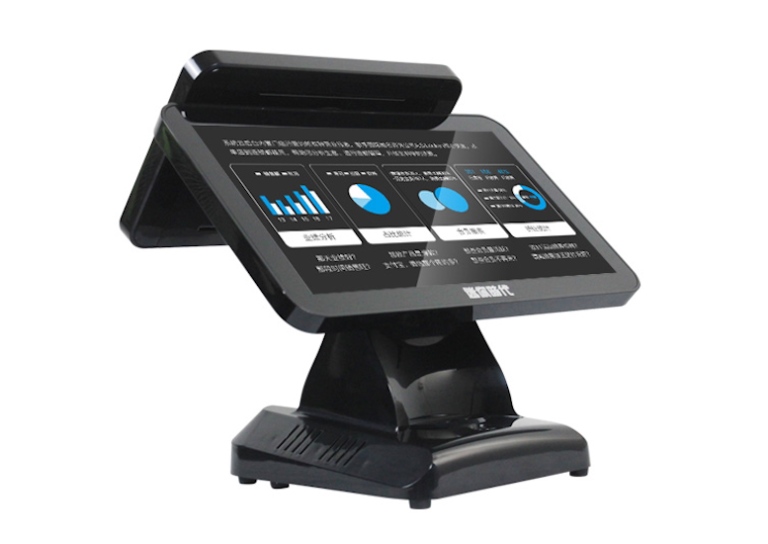
During peak dining hours, the front counter and waitstaff face immense pressure: lines form quickly, diners wait anxiously to order, servers scramble to take orders, and service friction escalates. Many restaurants deploy self-service ordering kiosks
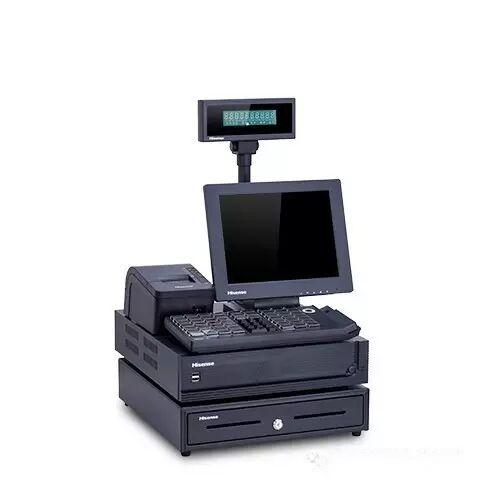
Prior to opening a new retail store, the POS cash register is the first hardware that must be operational and error-free. Many store owners assume installation involves merely plugging in a few cables, only to discover on opening morning that cash dr
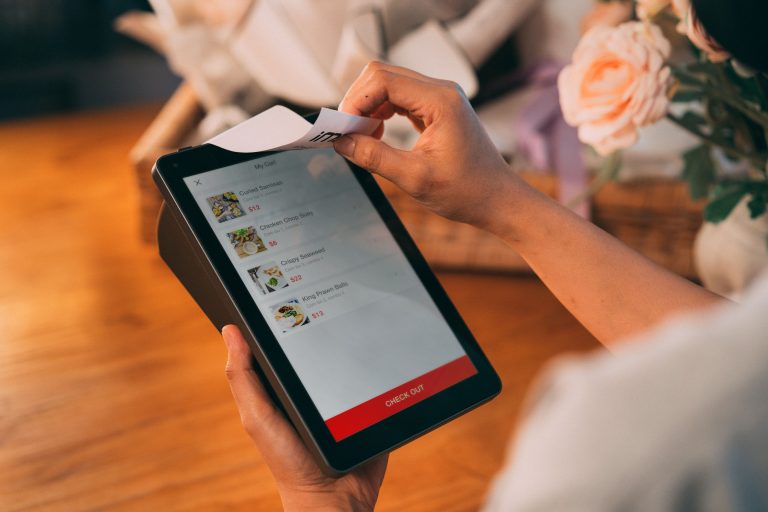
Upon opening a new grocery supermarket, many store owners only learn basic barcode scanning and payment collection, remaining unfamiliar with core management features: how to create product archives, how to process inbound inventory batches, how to a
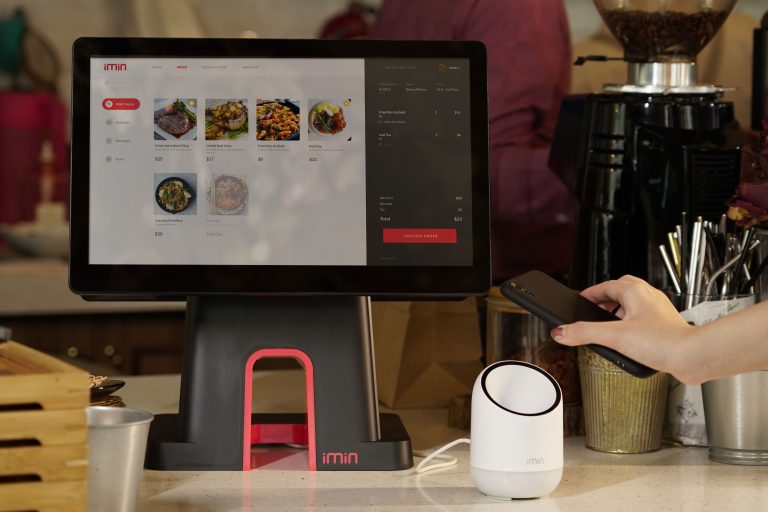
Most diners have used self-service ordering kiosks in quick-service restaurants, yet few understand what occurs behind the screen after placing an order: where does the ticket route, how does the kitchen crew know what to prepare, and why do certain
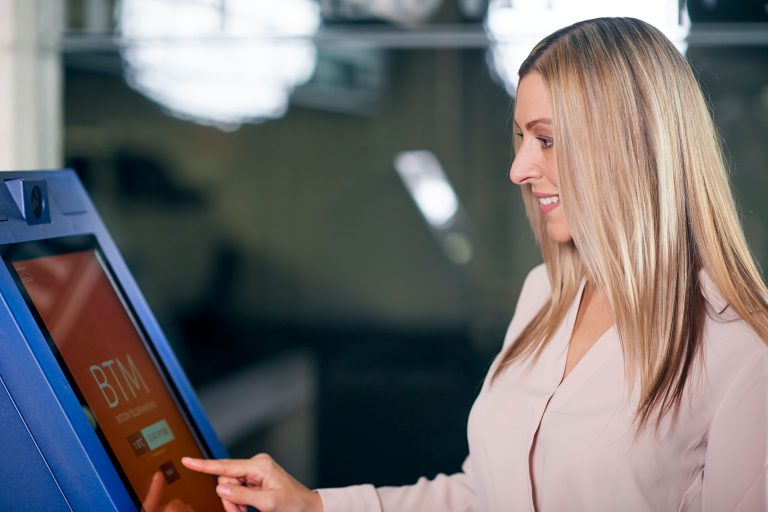
Having explored the operational cashiering workflow and keyboard function keys, this article examines POS cash registers from an architectural perspective: what physical components comprise a point-of-sale system, what role each peripheral fulfills,
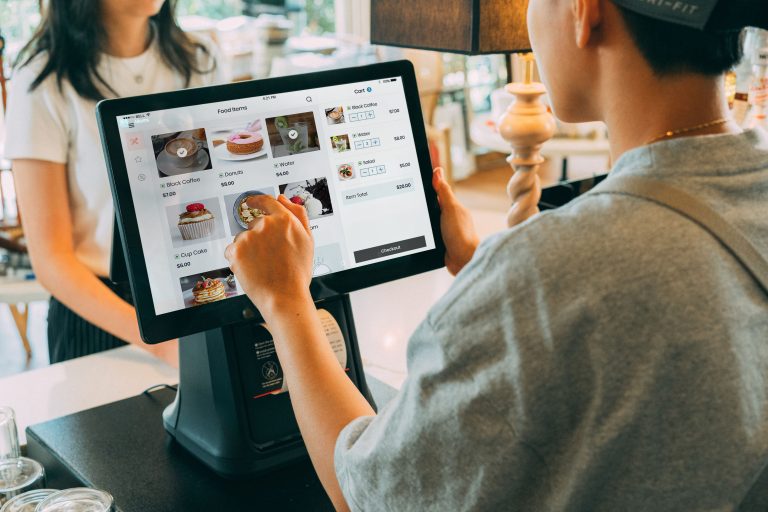
Unboxing and powering on a new all-in-one POS terminal is straightforward. Yet for the exact same hardware model, some retail stores operate with effortless efficiency—breezing through peak rushes without missing a beat—while other stores constantly
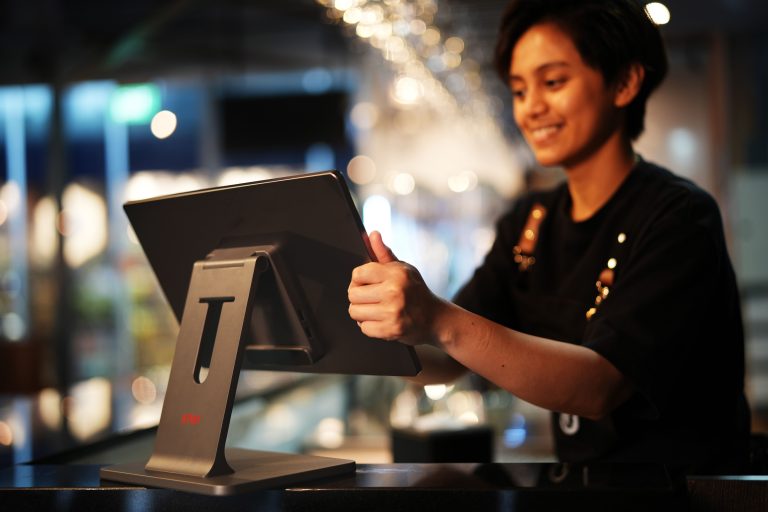
Many retail buyers make a misstep at the very beginning of their procurement journey: inquiring about pricing and screen dimensions before clarifying which category of POS hardware their business actually requires. The unfortunate result: convenience