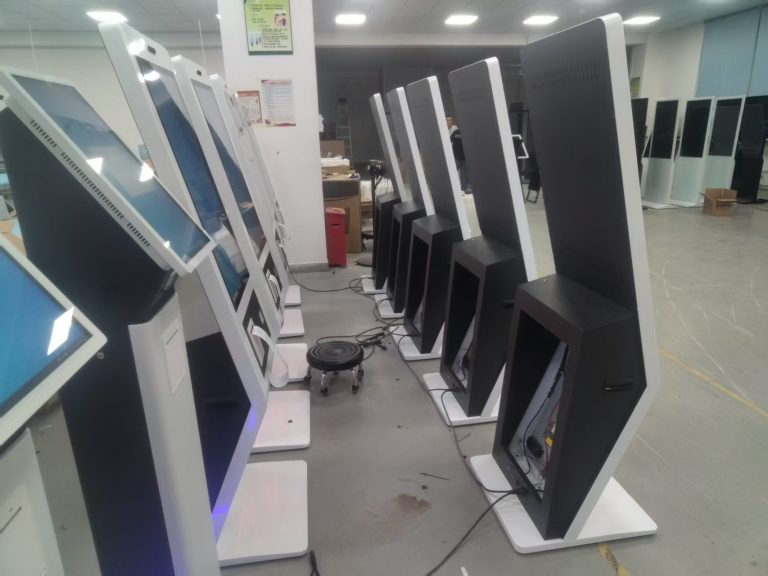
Self-service creates value when it improves guest control without removing access to human assistance.
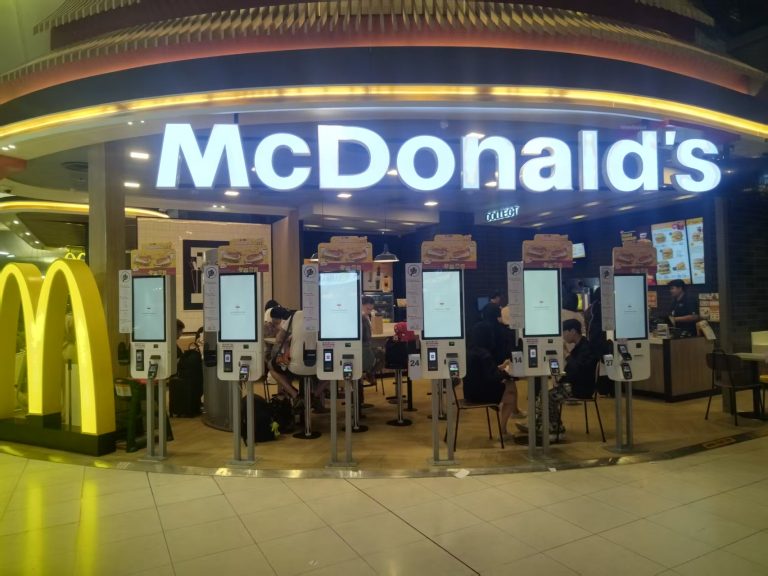
Restaurants are adopting self-service terminals as part of a broader shift toward connected, measurable and flexible service.
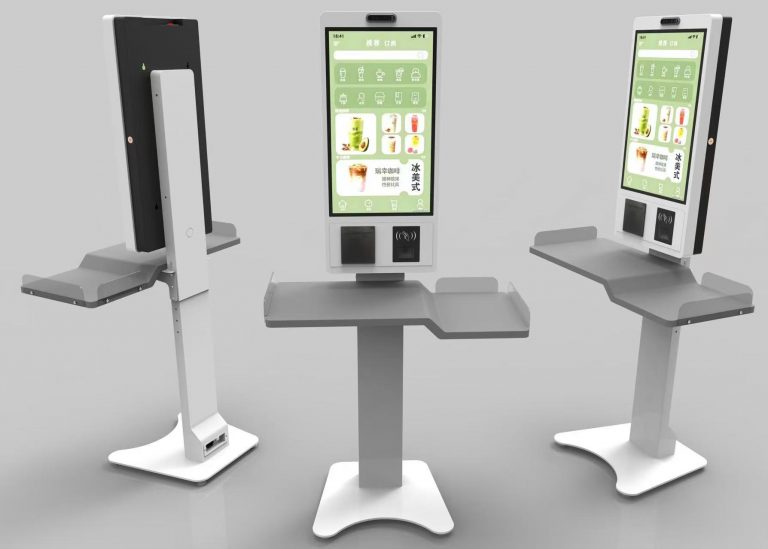
A well-planned cafeteria kiosk can make ordering easier for diners and reduce repetitive work for service teams.
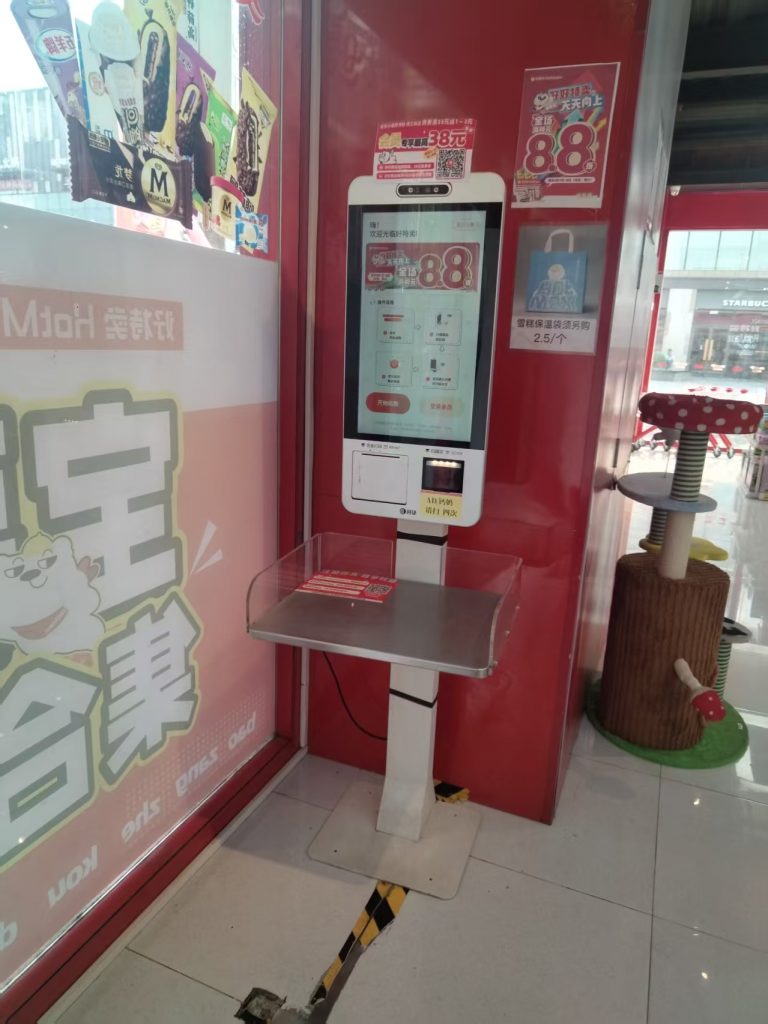
Cafeterias can use guided self-service to move large groups through ordering and payment with fewer manual steps.
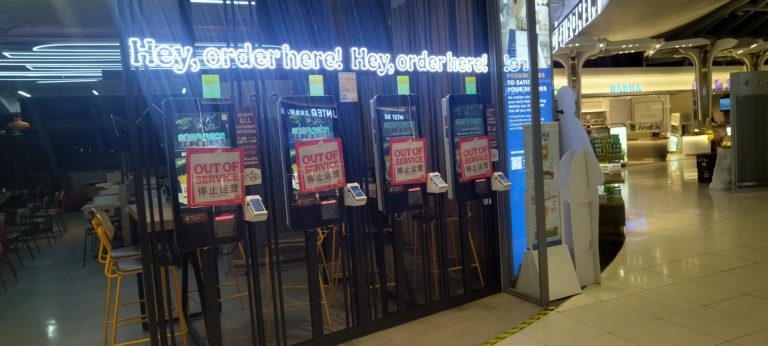
Human-machine interaction is moving routine transactions to self-service while keeping staff available for exceptions and support.
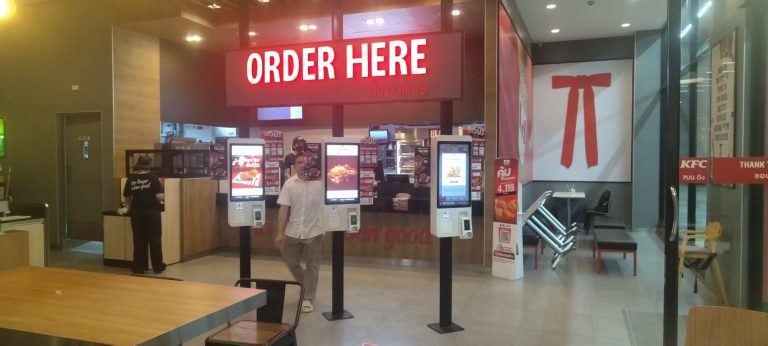
A connected ordering flow can reduce repeated data entry and give guests a more consistent path from menu browsing to payment.
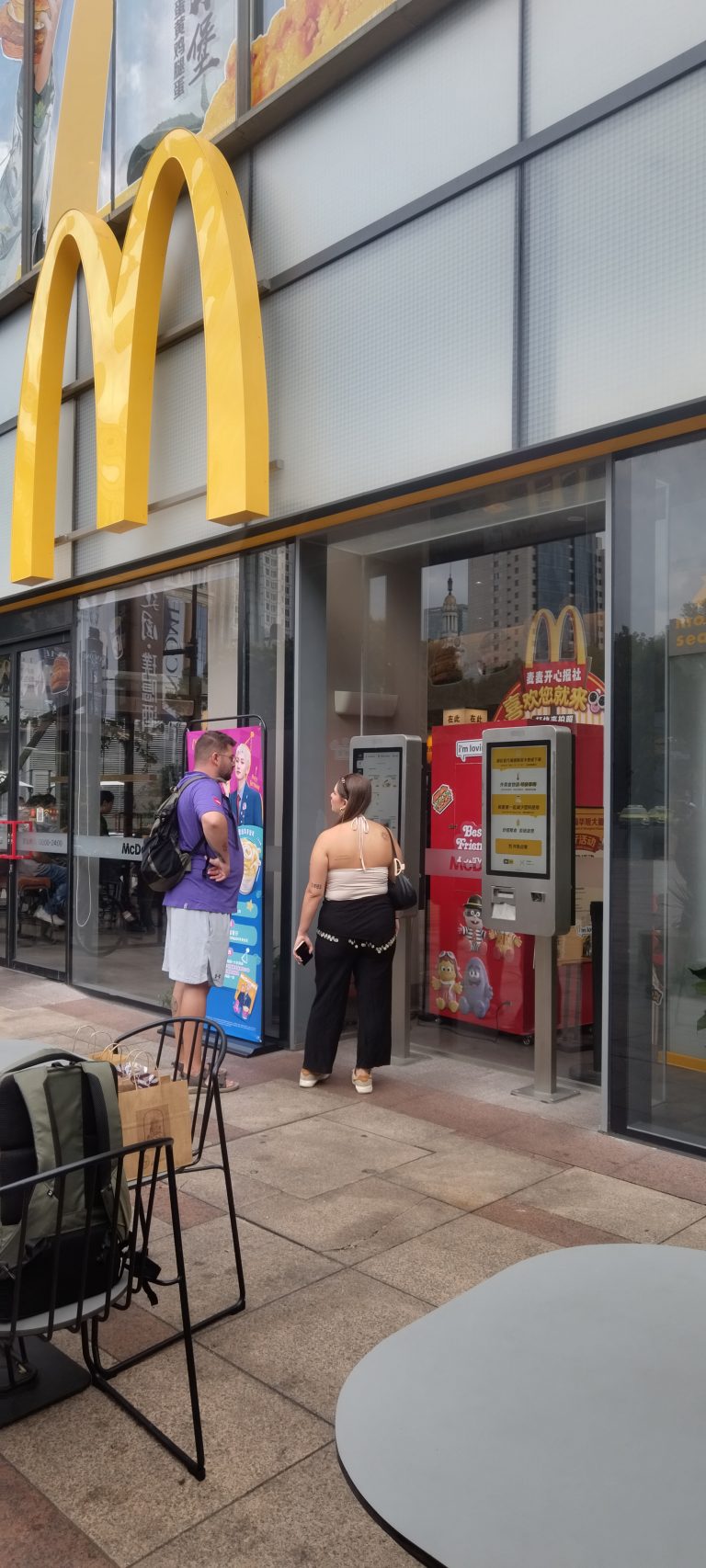
High foot traffic does not guarantee completed sales when queues, menu confusion and payment delays interrupt the ordering journey.