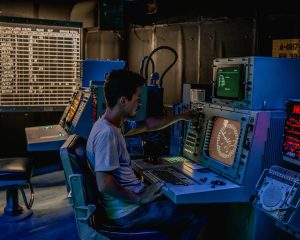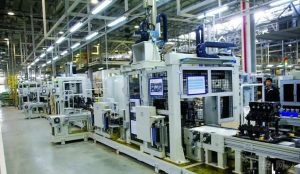
Advantages of Embedded Touch Terminal Monitors in the Industrial Internet
Most of the advertising machines used in the past could not be operated by touch. Combining advertising machines with touch query screens makes them much more convenient. The touch query kiosk is the most convenient, simple, natural, and practical human-machine interaction device. It integrates computer technology, multimedia technology, audio technology, network technology, industrial styling art, mechanical manufacturing technology, and simplified integrated design. Many experts are reluctant to mention that the touch all-in-one machine is actually assembled from various components, such as hard disks, memory, processors, and motherboards. In recent years, China has rapidly developed into the Industrial Internet 2.0 era. The integrated application of the industrial Internet has been widely extended to key industries of the national economy, forming six new models—platform-based design, intelligent manufacturing, network collaboration, personalized customization, service extension, and digital management—playing an empowering, intelligent, and value-creating role, and effectively promoting the quality, efficiency, cost, green, and safety development of the real economy. Embedded touch terminal monitors can be applied to different scenarios and links of the industrial Internet, so we will now analyze the advantages of embedded touch terminal monitors in the industrial Internet.
I. Embedded touch terminal monitors are moderately priced.
II. Embedded touch terminal monitors feature a fashionable appearance—lightweight, refined, and highly integrated with simple design.
In fact, many people remain stuck in the notion that industrial machines are expensive. Although the integration level of all-in-one machines is very high, they are not necessarily very expensive. Like many friends, after reading some articles saying that LCD all-in-one machines are expensive, I initially thought that should be the case, but only after gaining a deeper understanding did I realize this is not the fact.
III. The size and space of embedded touch terminal monitors are lighter than ordinary computers.
The LCD embedded touch terminal monitor is a machine that combines the host with the LCD monitor and speakers. It places the host's hardware behind the LCD monitor and compresses it as much as possible. At the same time, it has built-in speakers, making its volume as small as possible, which can greatly save the space users need to place the machine. This is of great significance for users with a specific amount of space.
IV. Embedded touch terminal monitors offer good mobility and high portability.
Since the LCD embedded touch terminal monitor integrates the host, monitor, and speakers in one unit, its volume and total weight are smaller than ordinary desktop computers—just over 10 kilograms—greatly facilitating users' movement of the machine. Its internal integration level is very high, and the connections of the various components are led out directly by the PCB, saving the large amount of data cabling of the past. In addition, the small body also saves the large packaging and transportation costs of the past.
V. Cost reduction.
Embedded touch terminal monitors not only save space but also reduce living costs, saving you expensive electricity bills. Compared with computers, embedded touch terminal monitors, as an input device, have the advantages of being rugged and durable, fast in response, space-saving, and convenient for communication. Users can quickly obtain the information they want simply by gently touching the machine screen with a finger, making human-machine interaction more direct. As a high-tech machine, the embedded touch terminal monitor has gradually replaced the position of the simple touchscreen, allowing users to truly experience the characteristic of free human-machine interaction.
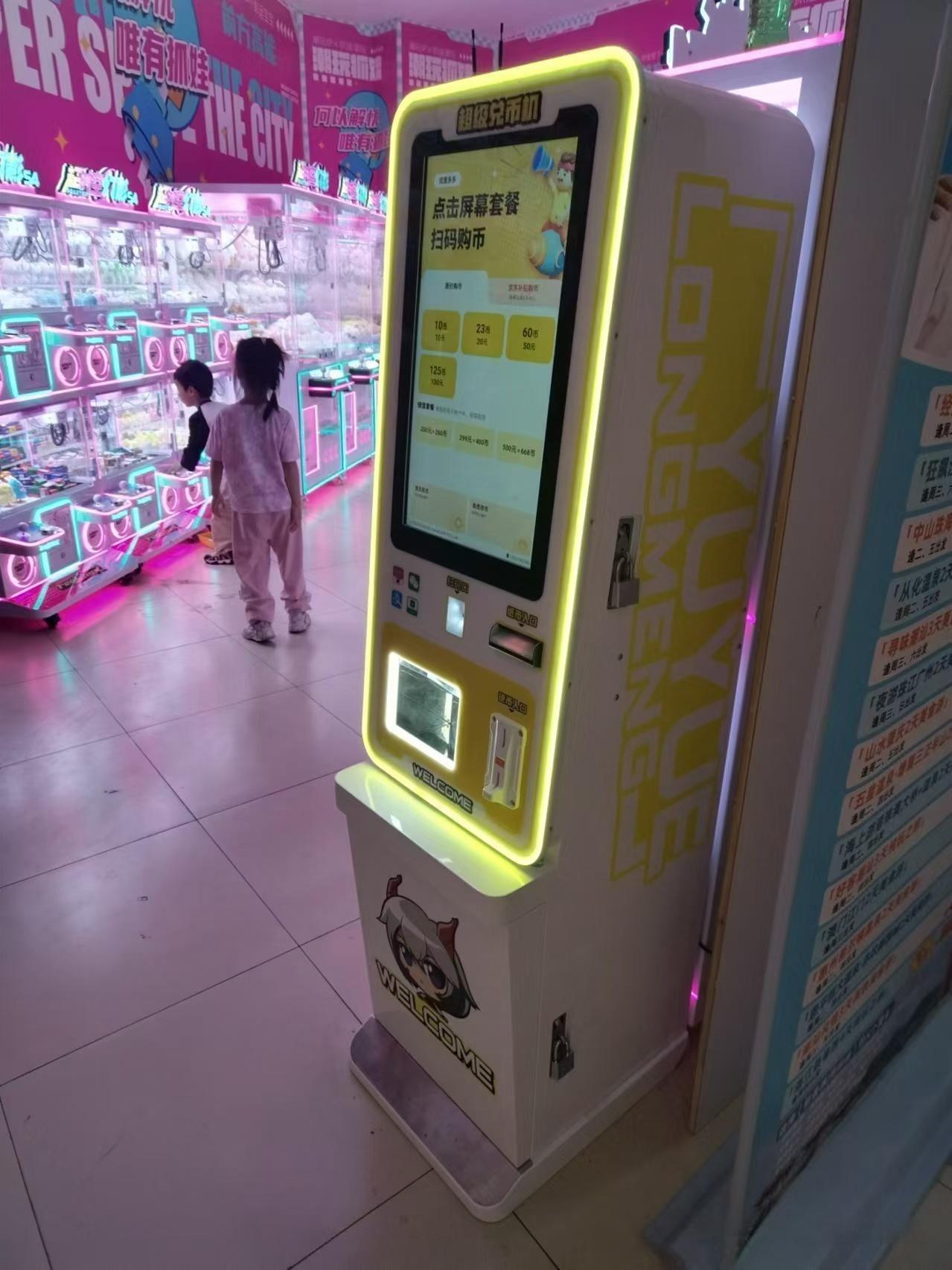
For project planning, a embedded industrial display should be evaluated together with the mounting structure, signal interfaces, touch method, operating environment, and maintenance requirements.
When specifying a embedded industrial display, integrators should match the display configuration to the actual installation space, control system, viewing conditions, and expected duty cycle.
ZXTLCD can configure a embedded industrial display around project-specific requirements such as panel size, brightness, touch technology, interfaces, mounting method, and environmental protection.