Application Scenarios and Hardware Configuration Solutions for Embedded Touch Display Devices
Environmental protection, formally the protection of the environment, is the general term for all kinds of actions taken by humanity to solve current or potential environmental problems, harmonize the relationship between humans and the environment, and ensure the sustainable development of the economy and society. Its methods and means include engineering technology, administrative management, and innovative R&D, as well as legal, economic, and public education approaches.
Against the backdrop of the deep integration of Industry 4.0 and IoT technology, embedded touch display devices are becoming a core tool for enterprises' intelligent upgrading, by virtue of their efficient interaction, scenario adaptability, and data-driven capabilities. Bosiet Technology has been deeply engaged in the field of intelligent hardware customization for many years. Relying on its independently developed high-performance embedded touch display terminals and industry solutions, it provides industry clients with full-chain support from hardware design to scenario implementation. Below, combining market demand with Bosiet's technical advantages, we analyze the application scenarios and innovative solutions for embedded touch display devices.
Market Demand Trends and R&D Technical Advantages
Currently, enterprises' core demands for embedded touch devices focus on real-time performance, security, scenario adaptability, and data value mining. According to the 2024 China Embedded Touchscreen Market Survey and Research Report, the market's compound annual growth rate over the next three years is expected to reach 12%, with significant demand growth in industrial automation, smart healthcare, smart retail, and other fields.
The following technical configurations precisely match market demands:
High-performance hardware platform: Equipped with a high-performance multi-core processor platform, supporting multi-task parallel processing and AI algorithm integration, adapted to the needs of complex industrial scenarios.
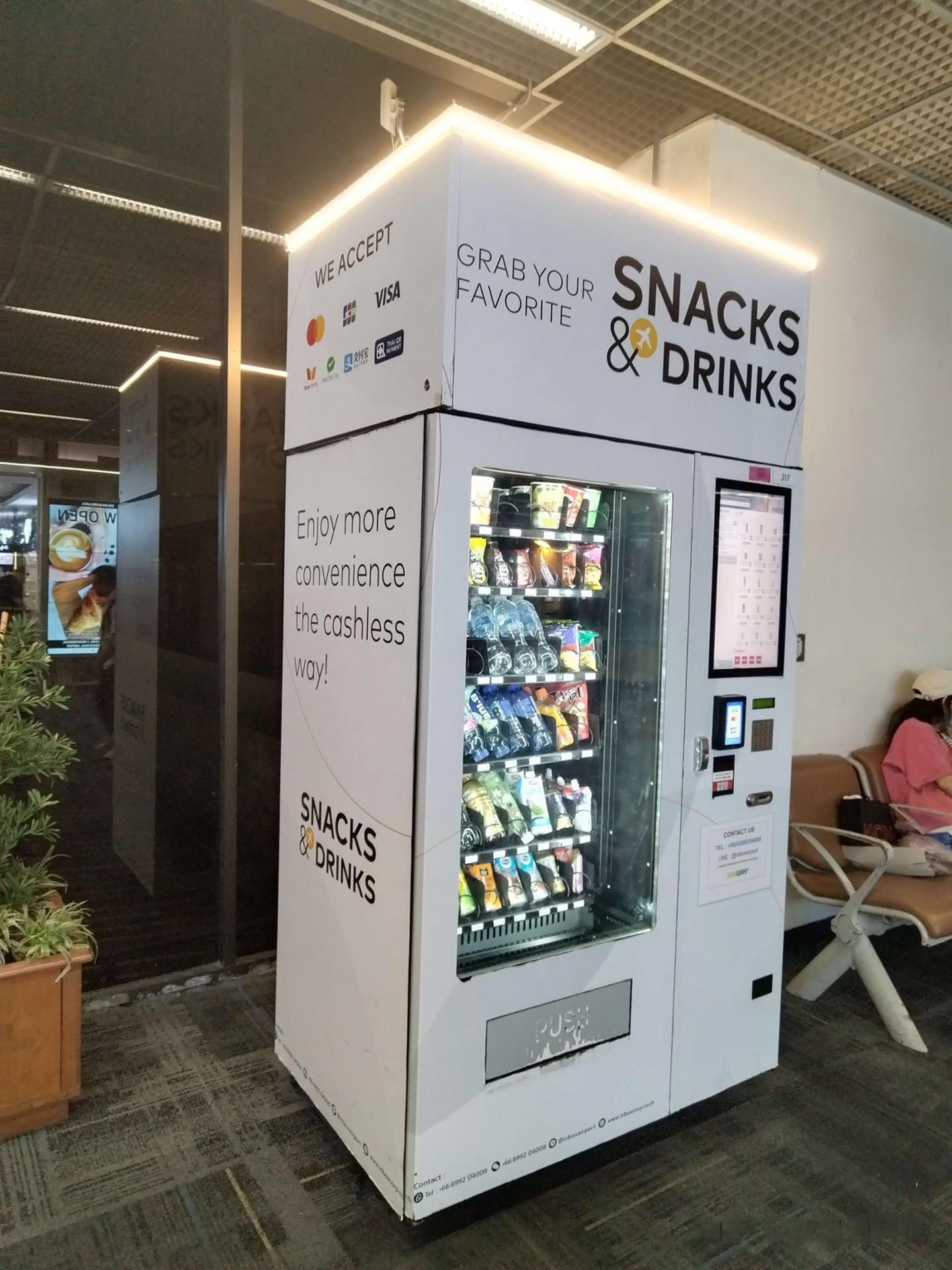
Flexible interaction design: Adopts infrared touch (±1 mm precision) and multi-screen independent display technology to meet high-precision operation needs in education, healthcare, and other fields, supporting stylus collaboration and false-touch prevention algorithms.
Security and expandability: Built-in encryption chip, supporting multimodal identity authentication such as face recognition and IC card/QR code; provides gigabit network ports, RS232/485, USB expansion, and other interfaces for quick peripheral access.
Scenario-based system optimization: Developed on the basis of Android/Windows dual systems, supporting customized UI interfaces and ready-to-use industry application software, reducing secondary development costs.
Core Application Scenarios and Solutions
Industrial Automation: Efficient Production and Intelligent Security
Scenario pain points: Lagging factory equipment status monitoring and insufficient personnel safety management.
Solutions:
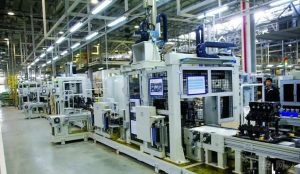
Industrial control box EC04: Equipped with gigabit network and 4G modules, adaptable to wide temperature environments of -20°C to 60°C; built-in encryption chip ensures localized storage and transmission security of production data, supporting AI early warning of equipment anomalies.
Edge computing gateways and servers: Use AI algorithms to monitor personnel behavior (such as recognizing missing safety helmets) and link with sound-and-light alarm systems to build a closed loop of intelligent security.
Smart Retail: Data-Driven Precision Operations
Scenario pain points: Low user flow conversion rates in offline stores; merchandise display efficiency awaiting optimization.
Solutions:
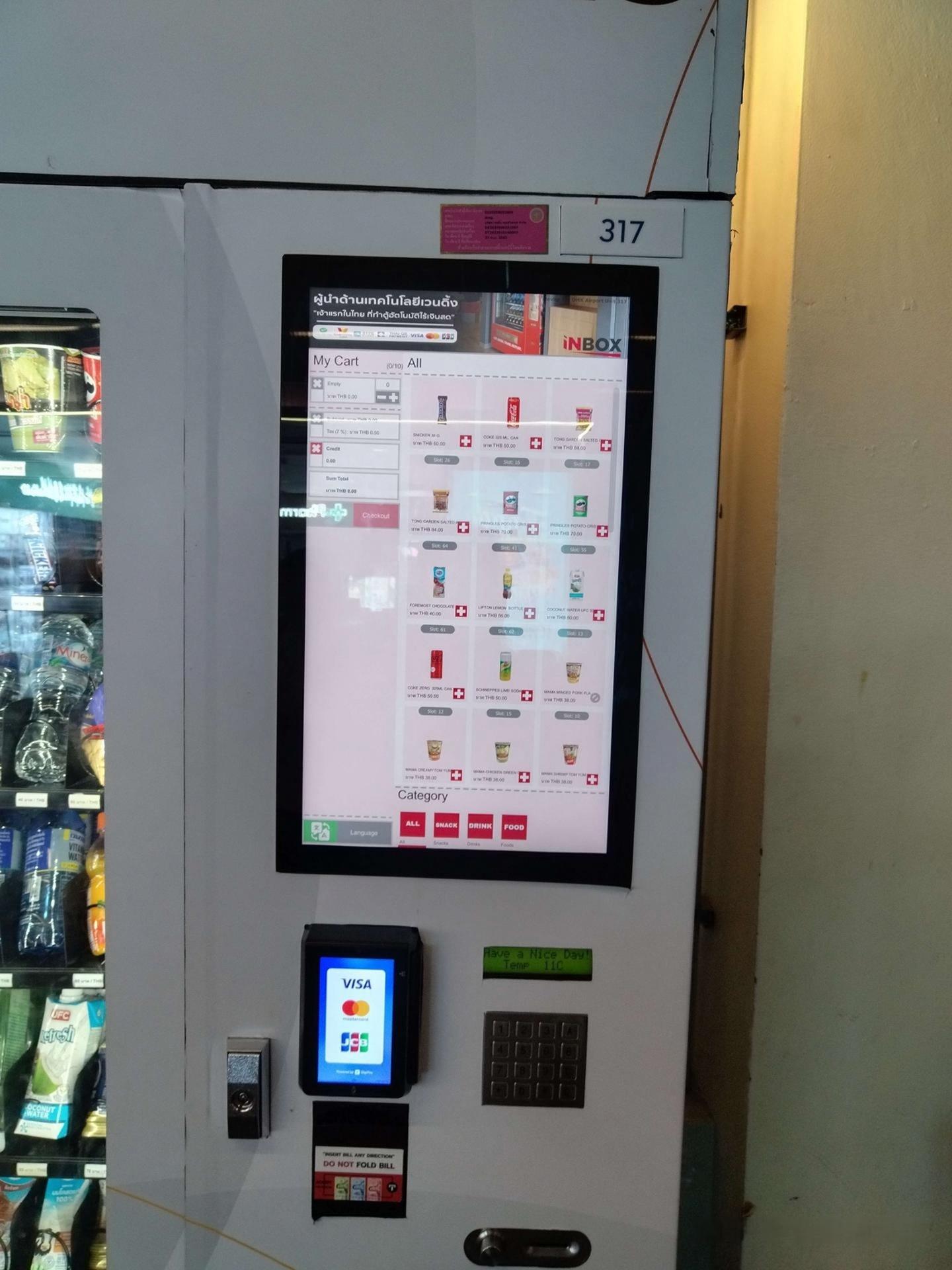
Smart commercial display terminals: 4K ultra-high-definition screens combined with heatmap analysis track user movement in real time to optimize shelf layout; paired with edge computing boxes for localized user flow data analysis, supporting personalized advertising push.
Face payment terminals: Integrate face recognition and POS functions to achieve seamless payment, improving checkout efficiency by 40%.
Smart Healthcare: Efficient Service and Information Transparency
Scenario pain points: Low doctor-patient communication efficiency and unintuitive information display.
Solutions:
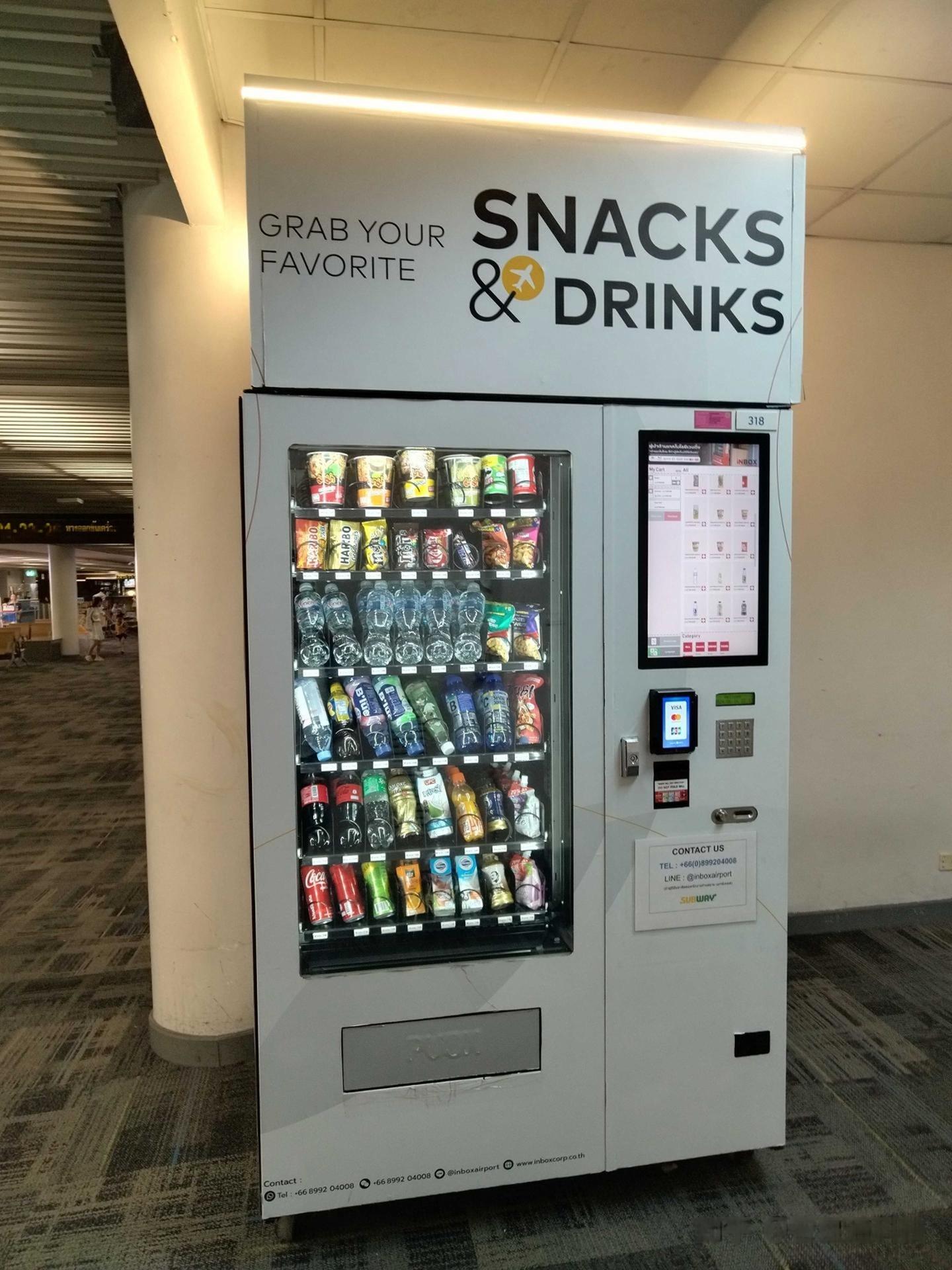
Self-service terminals: Equipped with voice guidance and high-definition touchscreens, providing department navigation, report printing, and other services to relieve pressure on staffed windows; DC dimming technology protects visual health during prolonged use.
Medical information screens: Split-screen display of waiting queues and health education videos, supporting remote consultation system access to improve diagnosis and treatment efficiency.
Smart Education: Interactive Teaching and Campus Safety
Scenario pain points: Insufficient classroom interactivity and loose campus access management.
Solutions:
Multi-size conference and teaching all-in-one machines: Support dual-pen writing and 4K wireless screen projection, creating immersive interactive classrooms; wall-mounted design adapts to various teaching spaces.
Identity verification access control terminals: Integrate infrared temperature measurement and mask recognition functions, enabling seamless passage for teachers and students and improving online visitor reservation management efficiency by 50%.