

Extend Utility Service Beyond the Counter
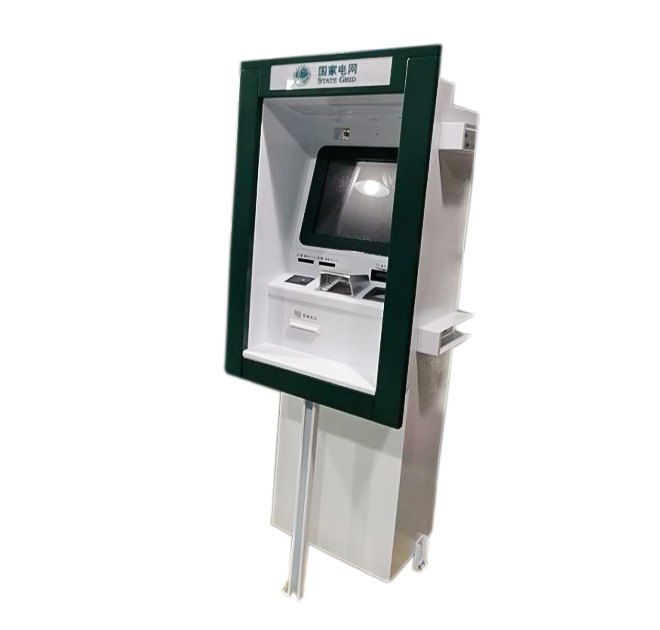
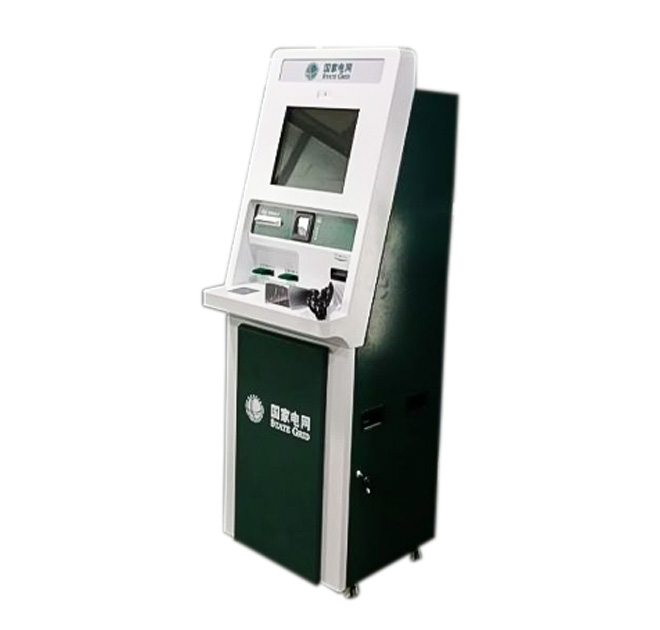
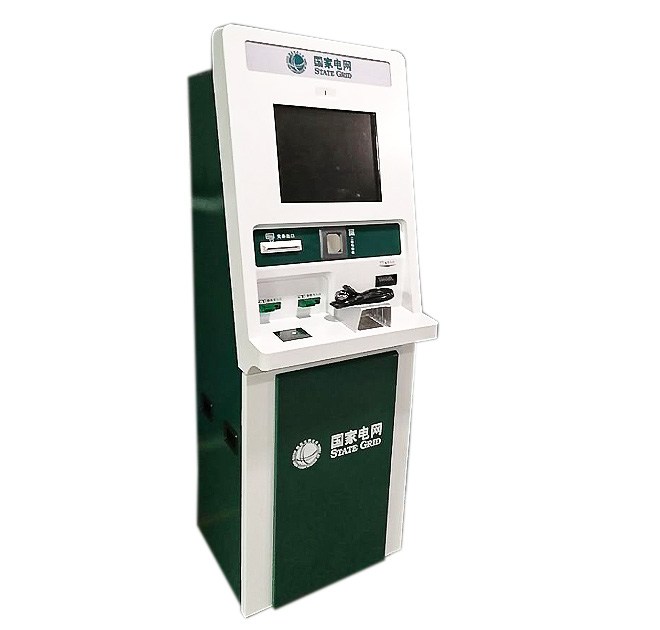
A self service bill payment kiosk can give utility customers a structured way to access common account services in branches, community locations or authorized service points. The terminal can be configured around approved workflows such as account lookup, bill review, meter-reading submission and payment initiation. Exact functions depend on the utility platform, regional payment requirements and peripherals selected for the project.
For providers, the main advantage is controlled access to routine services. Customers receive a consistent sequence of prompts, while staff remain available for disputed bills, vulnerable customers and cases that require account investigation. The kiosk can also support extended access where the venue’s operating model and local regulations permit it.
Build the Workflow Around Accuracy and Trust
Utility transactions involve information that users expect to be correct. The interface should identify the provider clearly, explain each step and show confirmation before any submission. Account identifiers, meter numbers and payment amounts need validation rules defined by the software integrator. When a customer cannot continue, the screen should provide an approved support route rather than leaving the session unresolved.
A self service bill payment kiosk should also make privacy visible. On-screen account details should be limited to what the task requires, and each session should clear automatically after completion or inactivity. Placement, viewing angle and queue layout can reduce accidental exposure. These measures should be reviewed together with the utility’s security and compliance teams.
Select Peripherals Only After the Service Scope Is Confirmed
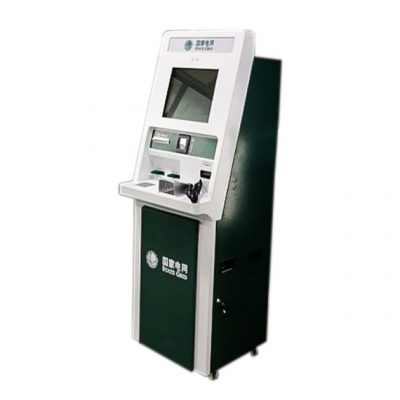
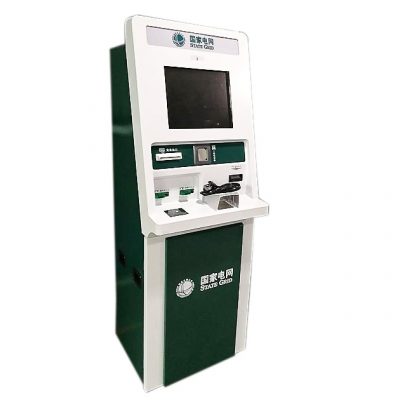
Different projects require different transaction methods. A utility may need a scanner, printer, card-payment device or another approved module, but none should be assumed solely from the enclosure image. Buyers should state the required inputs, outputs, payment methods and receipt format. The integration team can then assess physical placement, connectivity and software support.
Cash handling, where legally and operationally appropriate, introduces additional servicing and security requirements. The buyer should define reconciliation, collection, access control and exception procedures before requesting a configuration. Card or electronic-payment components likewise need to match the target country, payment provider and certification framework.
Prepare Sites for Reliable Public Use
Deployment planning covers more than floor space. Each location needs suitable power, network connectivity, lighting, environmental protection and service access. Accessibility, screen reach and clear approach space should be evaluated. The enclosure finish and instructions can be branded for the utility or an authorized payment partner.
For a multi-location program, a pilot can test account workflows, transaction completion, receipt handling and staff escalation. The results help refine training and maintenance plans before volume production. Remote status requirements, software updates and reporting should be assigned to the appropriate provider in the solution architecture.
Support Procurement and Lifecycle Planning
Procurement teams should request a bill of configuration based on confirmed functions rather than comparing cabinets alone. Useful inputs include the workflow diagram, peripheral list, software ownership, expected daily usage, installation environment and rollout schedule. Spare parts, warranty handling, packaging and field support should also be discussed for regional deployments.
Acceptance testing should use realistic account scenarios, including an invalid identifier, a corrected meter entry, an interrupted connection and a cancelled payment. The utility and integrator can agree which results count as a pass before units leave the factory. Documented tests make later site commissioning faster and reduce disagreement when several vendors contribute to the solution.
ZXT LCD can review these requirements and propose the physical configuration for a self service bill payment kiosk. Send the target market, service steps, required peripherals, branding files and estimated quantity to receive a project-based quotation. Utility software providers, contractors and distributors can also discuss sample validation and staged delivery.