

Complete Parking Payment Before Reaching the Exit
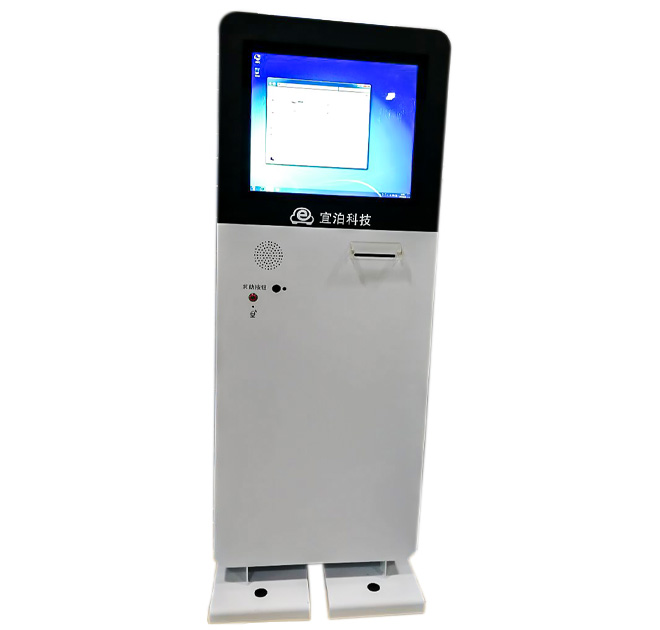
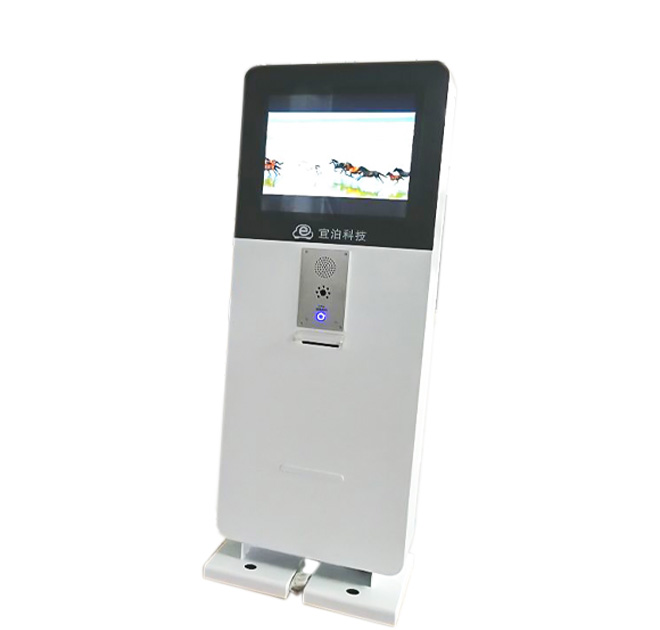
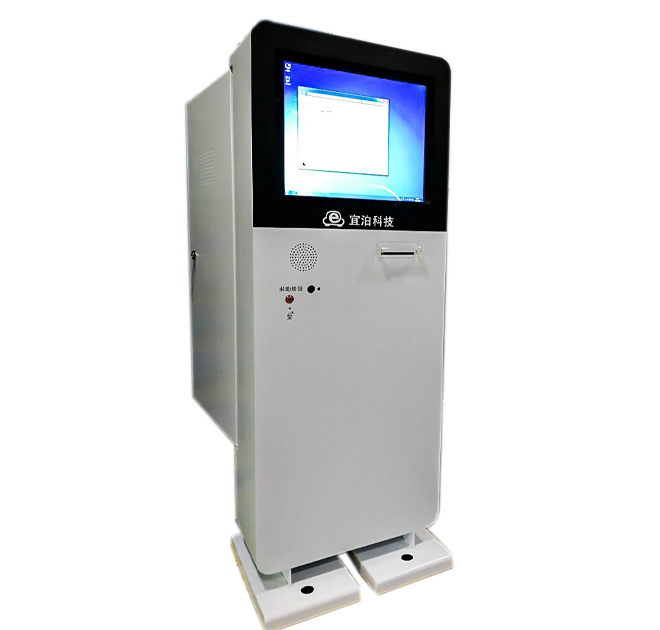
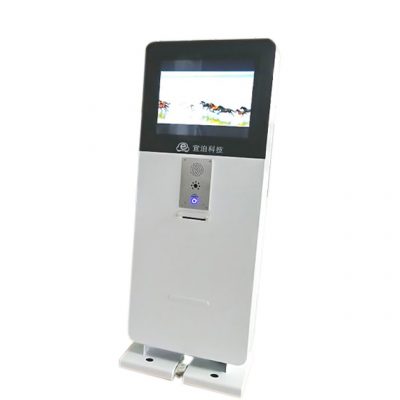
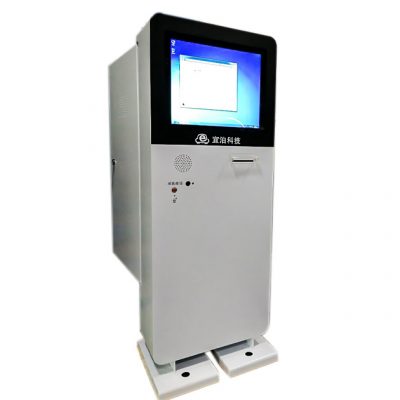
A self payment kiosk gives drivers a visible place to calculate and settle parking fees before returning to their vehicles. The floor-standing terminal has a touchscreen and several lower positions for scanning, payment and output devices. It can be installed in car parks, shopping centers, hospitals, airports and mixed-use developments when paired with the parking operator software.
Fee calculation, plate recognition, ticket validation and barrier release depend on the parking-management platform. The kiosk enclosure provides the user interface and module integration; it does not create those functions independently. The customer should define how a parking session is identified and how payment confirmation reaches the exit system.
Support the Local Parking Workflow
A driver may scan a paper ticket, enter a license plate or retrieve a session through a mobile code. The interface can show parking duration, approved discount and amount due before requesting payment. Clear instructions should explain whether the user must keep a validated ticket or whether exit opens automatically through plate recognition.
When configured as a self payment kiosk, the unit can integrate a bank card reader, contactless terminal, QR scanner and receipt printer. Cash acceptance requires additional secure modules and service capacity. Every payment device must be compatible with the local provider and certification requirements.
Design for Unattended Public Areas
Parking terminals may operate for long periods without staff beside them. The enclosure should provide stable mounting, controlled service access and clear contact information for failed transactions. Lighting and screen readability should suit the installation area. Outdoor or semi-outdoor projects must define weather protection and temperature requirements because no IP rating is confirmed on the current page.
Operators should plan for unreadable tickets, disputed fees, printer shortages and network interruption. The software needs a safe recovery route that does not charge twice or block the next driver. Paper replacement and payment-terminal service should be possible without opening unrelated electronic areas.
Verify the Entire Exit Sequence
Testing a self payment kiosk should include ticket lookup, discount validation, every accepted payment method, receipt output and exit authorization. A successful payment on the screen is not enough if the barrier system does not receive the result. Responsibilities between the parking-software company, payment provider and kiosk manufacturer must be documented.
Site planning should include more than the kiosk footprint. Drivers need enough space to stand safely without blocking vehicle lanes, and the terminal should remain visible from the pedestrian route. A pilot can test screen glare, payment-terminal response, receipt collection and the time required to resolve an unreadable ticket. Configuration records should identify local currency, tax wording, payment provider and barrier interface.
For quotation, send the session-identification method, payment devices, receipt requirement, operating system, network interface, installation environment and expected daily volume. ZXTLCD can develop the enclosure around confirmed modules. Maintenance records should track printer faults, failed scans and payment-terminal replacements.
Plan Support Around the Parking Journey
Drivers usually encounter a payment problem when they are already preparing to leave, so assistance needs to be easy to find. The operator should define how users report a lost ticket, disputed fee, unreadable plate or charged payment that did not release the exit. The kiosk can display an intercom number or help instruction, while the software provider controls transaction recovery. Daily checks should verify printer paper, reader operation, screen condition and communication with the barrier platform. For multi-site operators, a consistent module layout and labeled cable plan make local maintenance faster and reduce incorrect replacements.
Installation teams should verify safe pedestrian space, floor anchoring, network signal and visibility from the route between the parking area and exit. Clear responsibilities for payment disputes, barrier communication and hardware repair should appear in the final handover document.