

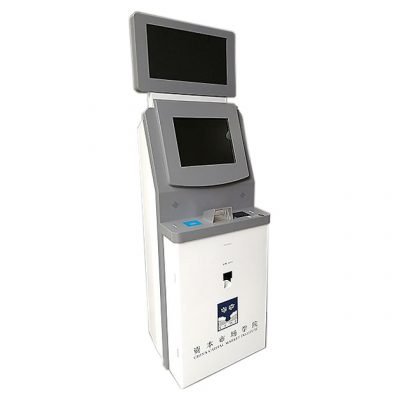
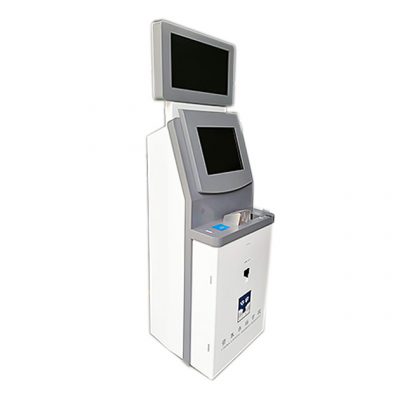
Present Financial Information Through a Dedicated Interface
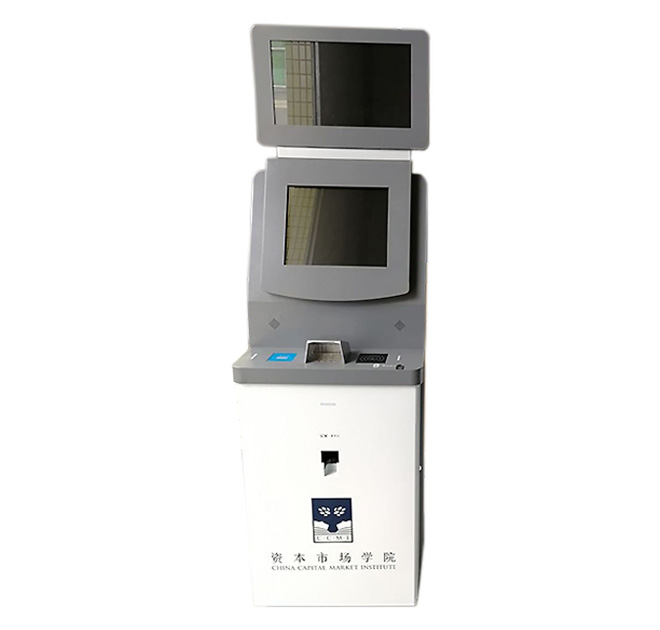
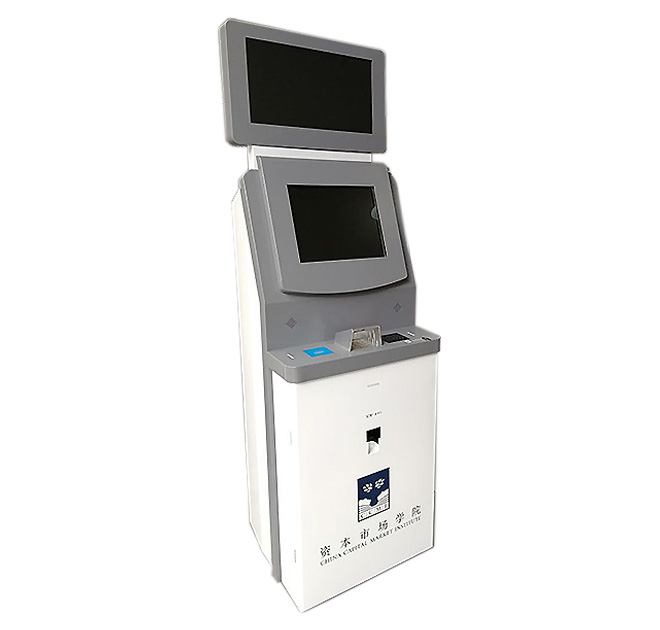
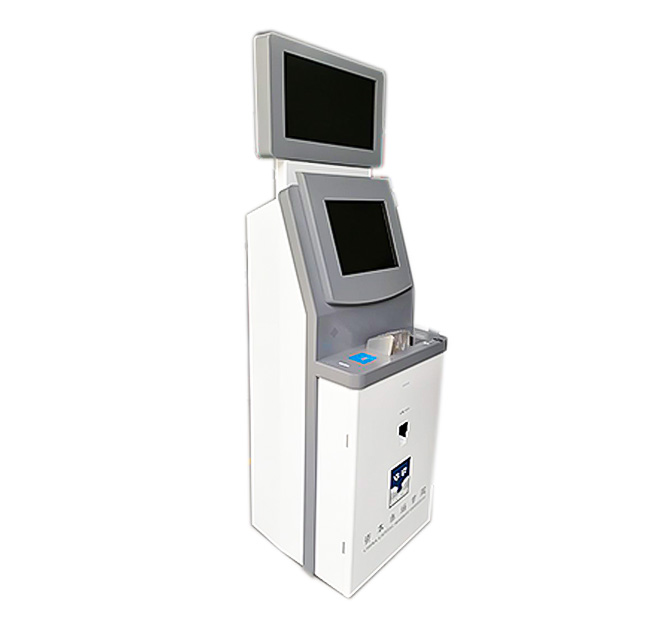
An information kiosk can provide a focused access point for market data, educational content or approved brokerage services in branches, investor centers and other supervised environments. The dedicated format helps separate the task from a visitor’s personal device and gives the operator control over the interface, branding and available navigation.
Because financial information is time-sensitive and regulated, the product should be treated as a configurable hardware endpoint, not a promise of market data or transaction capability by itself. Data feeds, account authentication, trading functions and compliance controls must come from the buyer’s authorized software and service providers.
Keep the Screen Focused on Defined User Tasks
The opening page should make the permitted purpose clear. A project may provide general market information, educational materials, product discovery or access to a secure customer portal. Navigation should use short labels and avoid unrestricted browsing. If a transaction function is included, users need clear review and confirmation steps established by the financial platform.
An information kiosk in a public or semi-public setting should not expose data after the user leaves. Automatic logout, inactivity timeouts, session clearing and restricted application access need to be included in the software specification. Physical placement should reduce shoulder surfing, and staff escalation should be available when identity or transaction issues arise.
Separate Hardware Scope from Financial-System Scope
Procurement teams should identify which party supplies the application, market feed, authentication service and network security. This prevents gaps between the kiosk manufacturer and the financial technology provider. Integration documentation should cover the operating environment, permitted connections, peripheral interfaces and update responsibilities.
Optional identity, printing or payment-related devices may be evaluated only when the project requires them. Their suitability depends on local regulation, the institution’s security policy and software compatibility. No peripheral should be inferred from a concept image or general product title; the final configuration should list every approved component.
Specify the Installation Environment
Branches and investor centers vary in layout and supervision. Buyers should provide the intended floor position, available space, power, network access and operating hours. Screen orientation, enclosure finish and branding can be reviewed against the customer journey. Accessibility, viewing comfort and routine cleaning also belong in the site plan.
A pilot unit allows the financial institution and software team to validate application lockdown, session behavior, page readability and support processes. It also gives security reviewers a physical device on which to test the agreed configuration. After approval, hardware and documentation can be standardized for additional sites.
Plan Maintenance and Change Control
Market applications and institutional content change over time. The project owner should define who controls updates, monitors device health and responds to faults. A change process is especially important when regulated content or transaction functions are involved. Spare-unit strategy and replacement procedures can reduce disruption for a wider rollout.
Before approval, stakeholders can run a threat and privacy review using the exact proposed workflow. The review should cover unattended sessions, restricted browser access, removable media, network loss and the response to a suspected compromise. Recording these decisions in the acceptance plan gives procurement, compliance and technical teams a shared definition of a deployable unit.
User training and branch signage should be included in that definition, particularly when the terminal provides both public information and authenticated services.
Share the deployment setting, approved use cases, software architecture, security requirements, branding and target quantity with ZXT LCD. The team can review an information kiosk enclosure and integration plan without assuming unconfirmed financial functionality. Banks, brokerage technology providers, system integrators and distributors can request a sample review or project quotation based on the final specification.