

Connect the Driver to the Charging Service
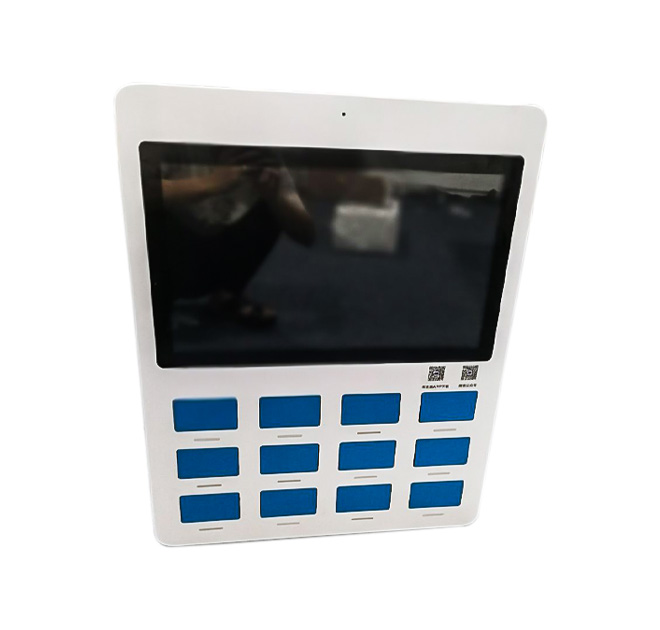
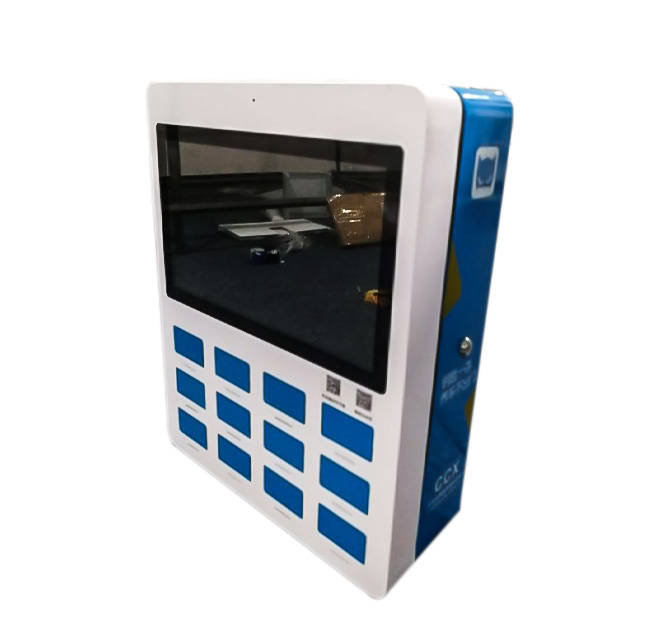
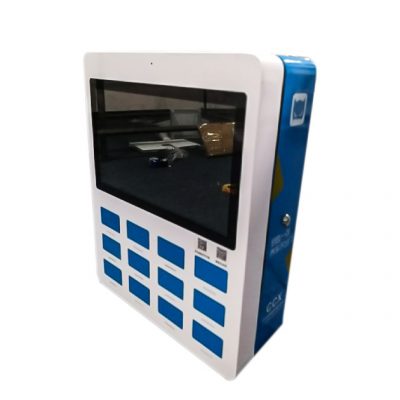
A self payment kiosk can provide the public-facing interface for an EV charging location. Drivers can use the display to identify a charging point, review instructions, start a supported session and complete payment through the operator software. The compact wall-mounted terminal uses a landscape screen and several front-panel positions, making it suitable for sites where a separate user interface is installed near charging equipment.
This page distinguishes the kiosk interface from the electrical charger itself. Charging power, connector standards, vehicle communication and energy certification depend on the charging hardware selected for the project. The terminal can support interaction and payment, but it should not be marketed with unverified charging output or compatibility claims.
Keep Public Charging Steps Simple
Drivers may arrive with different vehicles, apps and payment preferences. The interface should identify the charger clearly, show price or authorization information and explain how to connect before a session begins. During charging, the screen can present status, elapsed time or other data supplied by the management platform.
When deployed as a self payment kiosk, the terminal may support bank card, contactless or QR-based payment if the relevant certified module and payment integration are included. It can also scan a membership code or accept authentication from the operator platform. These functions must be confirmed for the target market and payment provider.
Plan for the Installation Environment
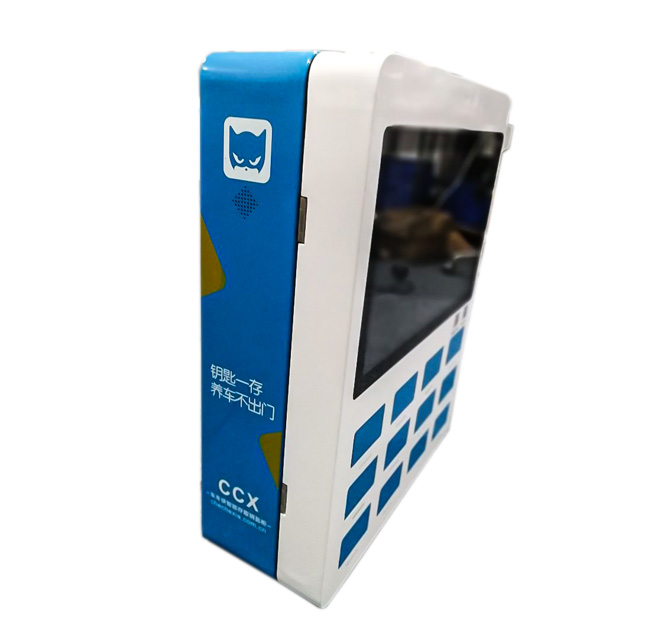
The pictured design is intended for mounting rather than a full-height freestanding installation. The customer should confirm wall or cabinet structure, cable entry, mounting height and distance from the charger. If the terminal will be exposed outdoors, weather protection, sunlight visibility, operating temperature and impact resistance must be defined. The current page does not publish an IP rating, so waterproof performance should not be assumed.
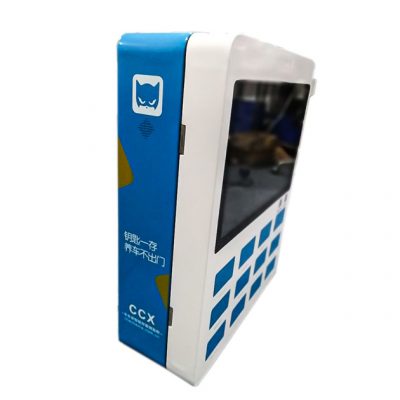
Internal space can be developed for the computer, payment device, scanner, network hardware and power components. A lockable service method helps operators maintain the terminal while reducing public access to connections. Exterior graphics can identify the charging network and explain where to tap, scan or collect a receipt.
Unattended Operation and Site Acceptance
A self payment kiosk can be used at commercial car parks, shopping centers, fleet depots, residential developments, hotels and service areas. It can also serve several nearby chargers when supported by the management software. The interface should plan for failed authorization, an unavailable charger and emergency contact information.
Send the charging-management workflow, payment provider, selected modules, display requirement, mounting location and environmental conditions. ZXTLCD can evaluate the kiosk enclosure and interface layout as one part of the complete charging solution. Night readability, glare, vandal resistance, loss of connectivity and routine inspection intervals should be included in site acceptance testing.
Separate Charging Control from Payment Hardware
The charging-management platform must decide which connector is available, calculate the session price and report charging status. The kiosk display and payment module present that information to the driver, but they do not replace certified power electronics. Clear responsibility between the charger supplier, payment provider, software company and kiosk manufacturer prevents gaps during commissioning. The final wiring diagram should identify power, network and communication connections between these systems.
Outdoor sites also need a maintenance plan for weather seals, filters, screen cleaning and physical inspection. Direct sunlight may require a higher-brightness display and thermal design, while cold climates can affect touch response and payment devices. If one interface serves several chargers, the screen must identify each bay unambiguously. A site trial should test daytime and nighttime visibility, payment cancellation, connector errors, network loss and the instructions shown when a driver needs assistance.
Operators should record the approved payment-terminal model and its certification region. A visually similar replacement may have different mounting, communication or compliance requirements and should not be substituted without review.