

Start with the Workflow, Not a Standard Shell
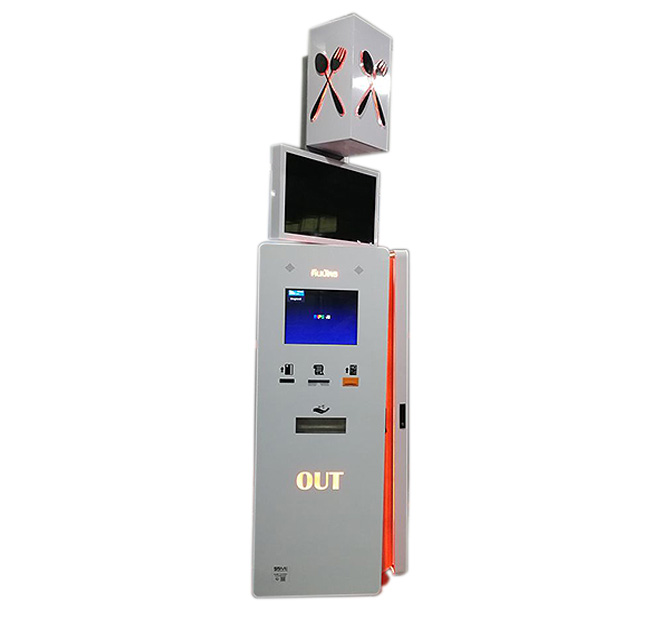
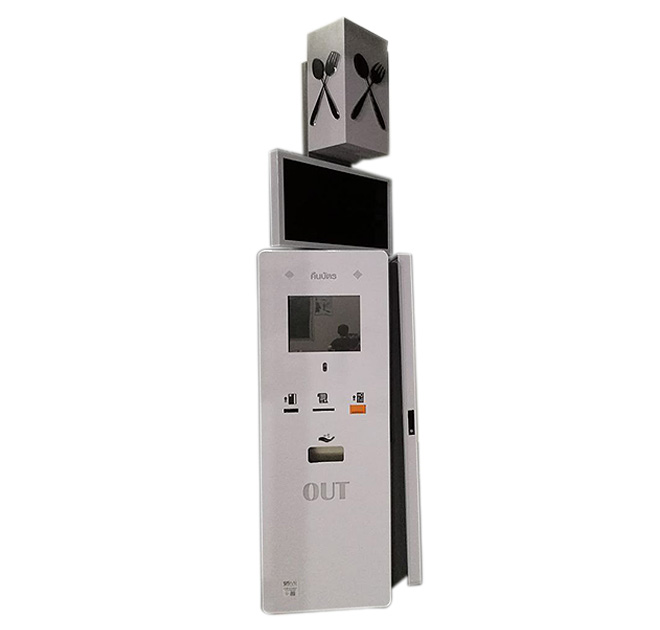
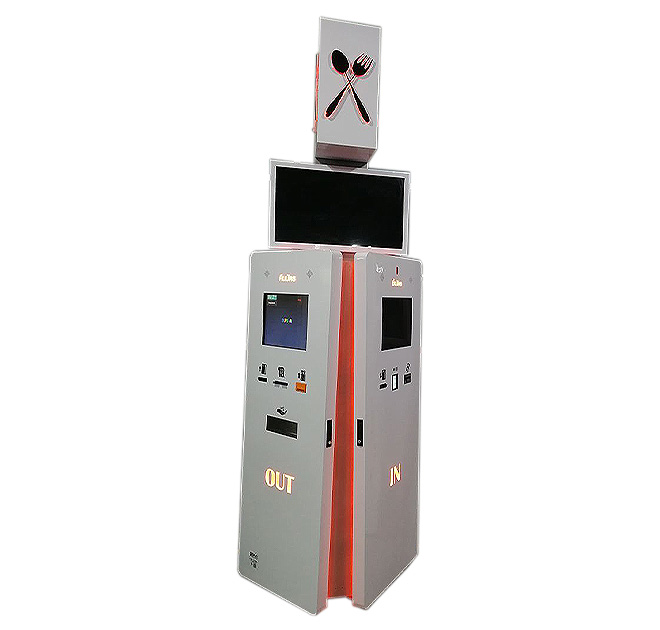
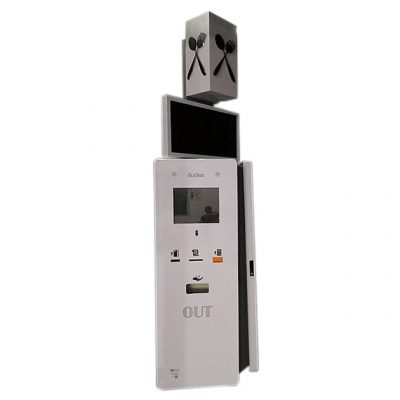
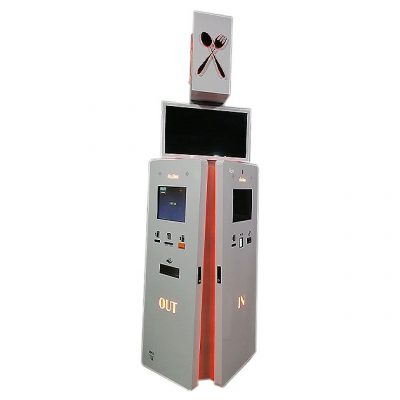
A customized self-service kiosk is appropriate when an off-the-shelf enclosure cannot accommodate the required devices, user journey or installation conditions. The tall terminal has an upper display and a broad working area for integrated components. Its value lies in reorganizing the front panel, internal mounting and exterior appearance around a defined application.
Custom development should begin with a functional list. The buyer needs to identify what the user will do, what information must be entered, what output is produced and which exceptions require staff support. Once this sequence is clear, the display, computer and peripherals can be positioned to support the task instead of competing for space.
Select a Form That Fits the Location
The enclosure can be developed as a freestanding, countertop or wall-mounted unit when project requirements allow. Screen orientation, viewing height and reach distance should match intended users. Locations serving children, wheelchair users or a broad public audience may require additional accessibility review.
Branding involves more than changing the paint color. A customized self-service kiosk can include operator graphics, illuminated identification, instructional labels and a front-panel arrangement that visually separates scanning, payment and receipt collection. The goal is to make the next action obvious even for a first-time user.
Integrate Only Confirmed Components
Depending on the application, the terminal may be engineered for QR or barcode scanning, card payment, cash handling, receipt printing, document reading, camera capture, NFC interaction or ticket dispensing. These are optional choices rather than universal features. Customers should provide manufacturer drawings or physical samples for critical devices so openings, brackets and service access can be produced accurately.
Android or Windows computing can be considered according to software compatibility and performance requirements. Network, audio, cooling and power distribution should be defined before final engineering. Internal access panels can support routine tasks such as replacing paper or servicing a scanner without exposing unrelated modules.
From Prototype to Repeat Production
A customized self-service kiosk can serve restaurants, hospitals, banks, hotels, transport operators, retailers, government services and specialized equipment integrators. Prototype evaluation should verify ergonomics, interface alignment, peripheral operation and maintenance access. Corrections made at this stage can be incorporated into production drawings so later units remain consistent.
Provide the use case, expected quantity, installation drawings, screen size, software platform, full peripheral list and appearance references. ZXTLCD can review the concept, identify mechanical risks and prepare a practical enclosure configuration. The approved bill of materials should distinguish standard components from customer-supplied modules and any regional substitutions.
Engineering Information Needed for Custom Development
A useful request for quotation includes more than a reference photograph. The customer should provide the user workflow, target dimensions, installation method, operating environment, expected volume and model numbers for all important peripherals. Drawings for scanners, printers and payment devices allow the engineering team to reserve correct openings, mounting points, cable bends and replacement clearances. If components are supplied by the customer, responsibility for samples, certification and production availability should be agreed early.
After the first mechanical proposal, a design review can examine ergonomics, ventilation, door movement, center of gravity and shipping protection. A prototype or first article should then be tested with the real application and modules. The approved drawings, finish sample and bill of materials become the reference for repeat orders. This process reduces late changes and gives distributors clearer control over configuration differences between markets or end customers.
Packaging should be engineered around the final center of gravity and removable accessories. Clear installation instructions, labeled connectors and a documented spare-parts list help local partners commission the kiosk without damaging customized panels or internal modules.