

A Platform for Unattended Financial Service
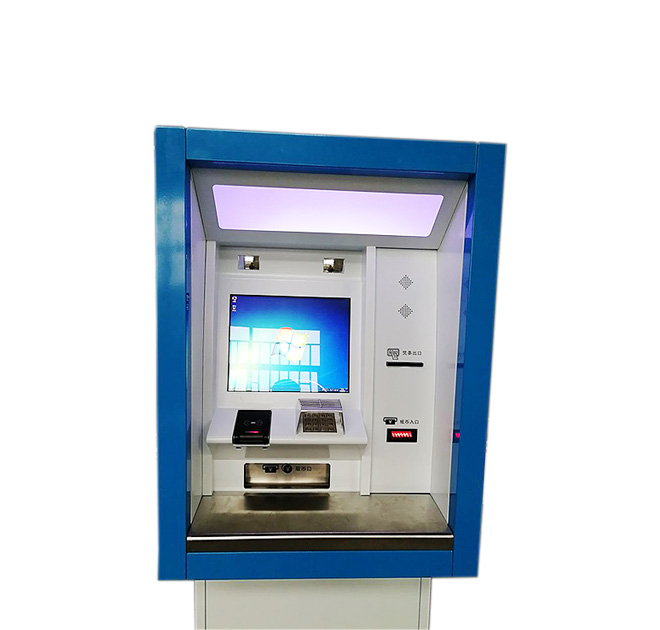
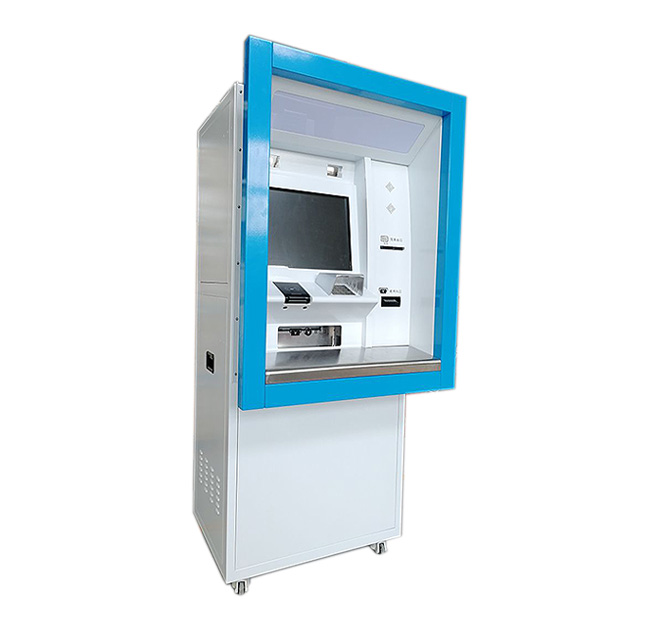
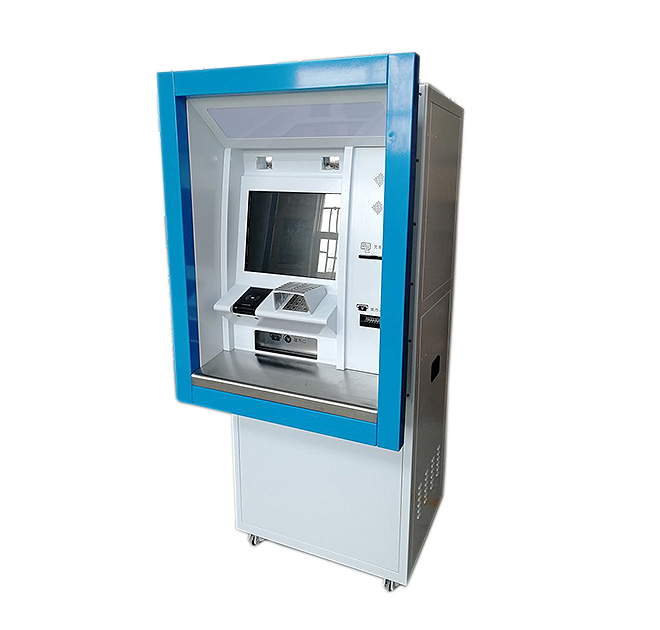
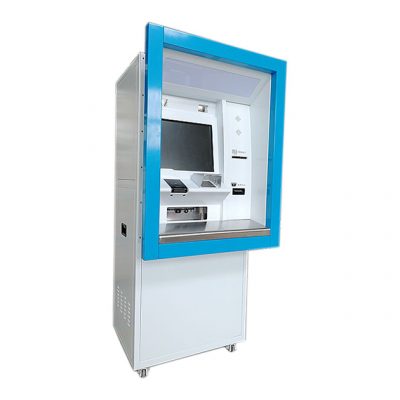
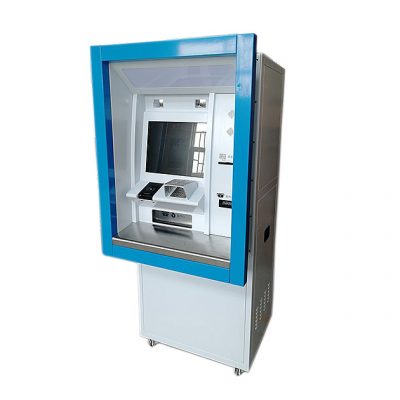
A self service payment kiosk allows customers to complete supported financial tasks through a structured touchscreen interface and integrated transaction modules. The substantial freestanding enclosure includes a recessed user area, display, keypad region and lower module space. This format can be adapted for ATM-related or payment-service projects where several steps must be organized in a secure and easy-to-understand layout.
The enclosure should not be represented as a certified ATM simply because it has an ATM-style appearance. Cash dispensing, deposit handling, encryption, bank-host communication and regional financial certification depend on specialist components and approval processes. ZXTLCD supplies customized kiosk hardware, while the banking solution provider defines and validates the complete transaction system.
Organize Security-Sensitive Interactions
For public use, the display and input area should help users maintain privacy while following clear prompts. A transaction may include card or account identification, PIN entry, amount selection, confirmation and receipt delivery. The self service payment kiosk can be arranged so each device is visible at the correct moment, reducing hesitation and helping customers complete routine tasks efficiently.
Status lighting, instructional graphics and on-screen alerts support users without revealing sensitive information. If the terminal operates beyond staffed hours, the project should consider surveillance, anti-tamper measures, anchoring and secure maintenance procedures. These requirements vary by operator, installation location and country.
Define the Financial Modules Before Production
Potential components include an encrypted keypad, card reader, contactless reader, receipt printer, camera, cash acceptor, cash dispenser or barcode scanner. None should be assumed as standard from the current product image. Each module has different dimensions, service clearances and data connections, so approved device drawings must be supplied before the enclosure layout is finalized.
The internal structure should separate serviceable areas logically and provide controlled access for authorized technicians. Cooling, power distribution, backup power and network communication need to match the operating schedule. Security assessment may require reinforced locks, privacy shielding, alarm contacts and controlled key management. Transaction records and user authentication are handled by the financial application, not by the cabinet alone.
Suitable Project Partners
This self service payment kiosk is intended for ATM integrators, payment solution companies, banking technology distributors and organizations developing unattended financial service points. It can also be adapted for bill collection or account service when the selected hardware and software support those functions.
Provide the required transaction types, module model numbers, security standards, software operating system, screen size, installation conditions and certification responsibilities. ZXTLCD can evaluate the enclosure, internal mounting and production requirements without overstating unconfirmed banking capabilities. Prototype testing should include user reach, module access, recovery from errors and maintenance procedures before repeat production.
Security and Serviceability Must Be Reviewed Together
Adding stronger locks is useful only when authorized technicians can still reach the modules that require regular attention. The enclosure layout should separate cash storage, communication hardware and ordinary consumables according to the operator service policy. Door sensors, internal lighting and labeled cable routes can support maintenance without replacing the certified controls supplied by the banking partner. If the project includes cash recycling or dispensing, note capacity, rejected-note handling and replenishment procedures must be tested with the exact module.
Placement also influences usability and risk. The buyer should review privacy from nearby queues, wheelchair reach, floor anchoring, camera coverage and lighting around the display. Transaction software should clear all customer information after timeout and provide a safe recovery path after power or network interruption. Acceptance documentation should identify which party certifies the financial modules, installs the unit, connects the host system and provides ongoing field service.
Procurement records should also identify approved spare parts, firmware ownership and the expected response time for field repairs. These details help operators assess lifetime support rather than comparing only the initial enclosure cost.