

Built for Structured Passenger Processing
Airport self service devices can support passenger-processing projects such as bag drop, document checking and guided check-in workflows. This product is not a restaurant machine, even though many terms in the supplied keyword list focus on ordering equipment. Its real functions depend on the software, certified peripherals and airport-system integration selected by the customer.
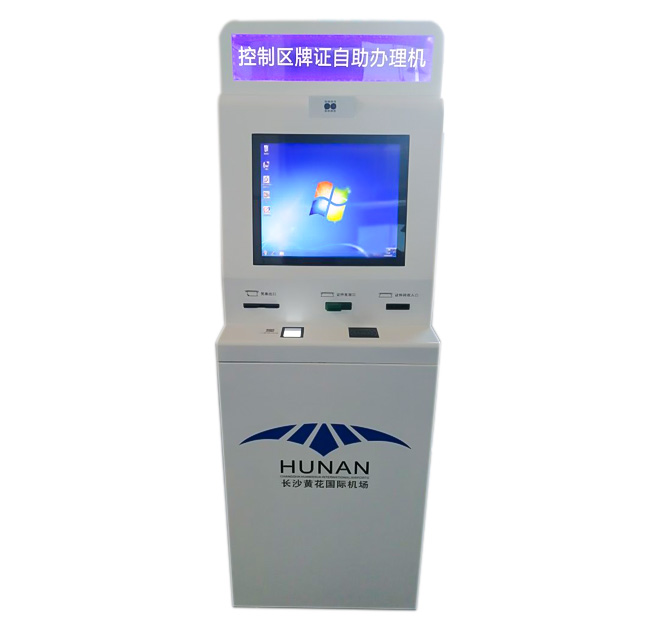
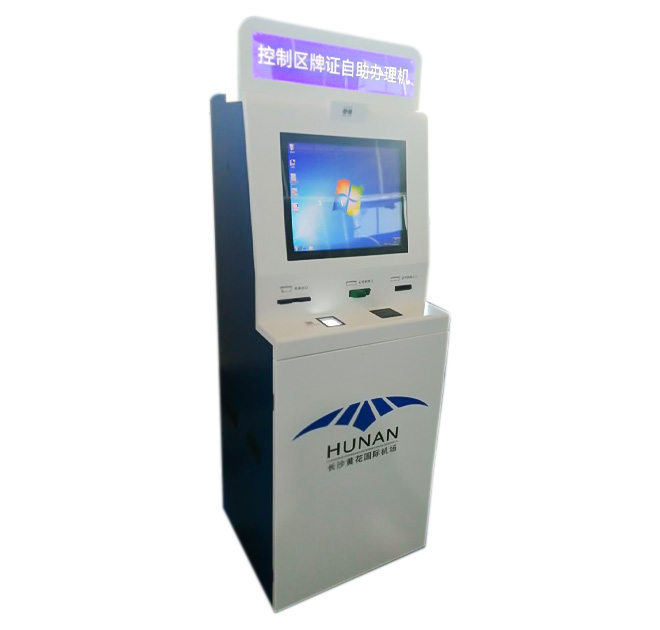
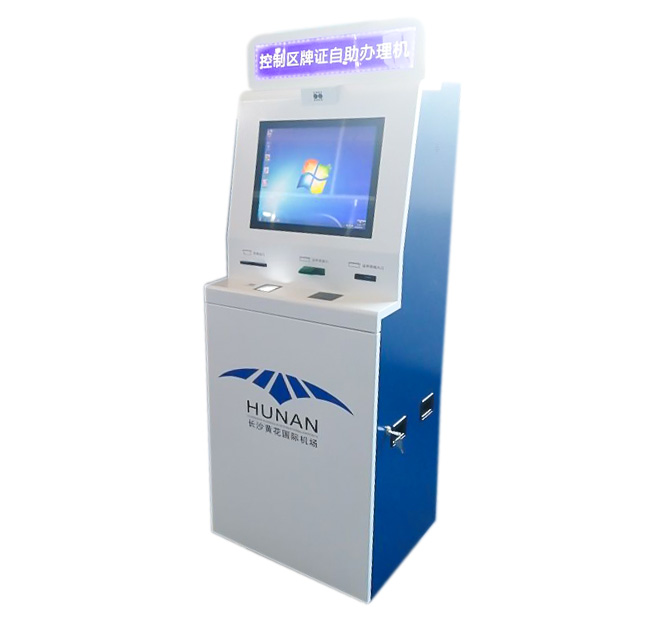
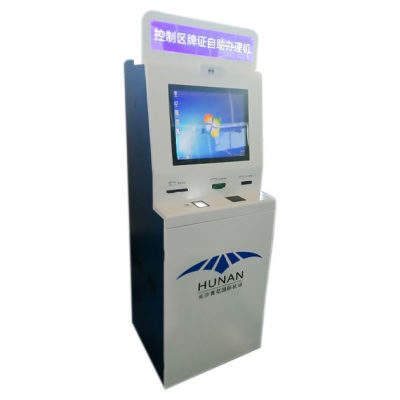
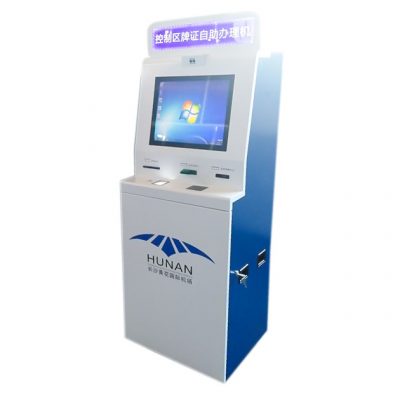
The freestanding enclosure provides a display, lower interaction area and several positions for transaction hardware. It can support a workflow in which passengers follow on-screen instructions and then use scanners, readers or document-handling modules. Exact functions cannot be confirmed from the enclosure alone, so passport readers, boarding-pass scanners, printers and baggage interfaces are treated as project options rather than standard equipment.
Design the Passenger Journey First
A typical interface may begin with language selection, then identify the passenger, retrieve booking information, verify documents and provide the next instruction. If the machine is used for bag drop, the final process must be coordinated with conveyor controls, airline systems and local security procedures. Hardware alone does not provide these integrations.
Well-designed self service devices require a clear touchscreen path, fast peripheral response, accessible component placement and an enclosure prepared for frequent public use. Status indicators should tell passengers when to scan a document, collect a label or request assistance. Airport equipment requires specialist project review and should not be promoted as a universal plug-and-play solution.
Enclosure, Access and Integration Planning
The buyer should confirm passenger height range, wheelchair accessibility, screen viewing angle and the required position of every scanner or printer. Internal space must accommodate the selected computer, power supplies, communication devices and peripheral controllers. Lockable service access helps authorized teams replace paper, inspect connections and maintain modules without exposing the entire structure to the public.
Finishes can be coordinated with airline, airport or system-integrator branding. The cabinet can include warning labels, instructions and illuminated status indicators. Material choice, ventilation and cable routing should reflect the terminal location and expected daily transaction volume. Factory acceptance should use the actual peripheral models whenever possible so the team can verify scan angles, document insertion, printer access and recovery after a failed transaction.
Project Responsibilities and Procurement
These self service devices are relevant to airport technology integrators, passenger-processing solution providers, baggage-handling contractors and airline self-service teams. The enclosure provides a hardware foundation while the customer or software partner supplies certified applications and back-end connections. Cybersecurity, accessibility, fire safety and passenger-data obligations should be assigned clearly between all parties.
Before quotation, send a functional diagram, required peripherals, screen target, operating system, interface positions, installation environment and compliance requirements. ZXTLCD can review manufacturability and develop a kiosk layout around the approved workflow. Packaging, spare parts, installation responsibility and acceptance criteria should also be confirmed before repeat production begins.
Operational Testing Before Airport Deployment
Airport environments require more than a successful factory power-on test. The integrator should simulate damaged boarding passes, unreadable passports, printer shortages, network interruption and passengers who abandon the process midway. The interface must return safely to the welcome screen without exposing the previous passenger information. Bag-label output, scanner illumination and status signals should remain clear under terminal lighting. Service teams also need documented procedures for paper replacement, peripheral cleaning and controlled cabinet access. If the kiosk connects to baggage equipment, emergency-stop behavior and responsibility for conveyor controls must be agreed with the baggage-system provider.
Packaging and on-site handling deserve attention because airport terminals often contain several calibrated modules. Shock indicators, removable transport brackets and clearly labeled connections can reduce installation risk. Before shipment, buyers should approve drawings, device model numbers, interface heights, surface finishes and final acceptance criteria.