

Build a Compact Ordering Interface Without Using Floor Space
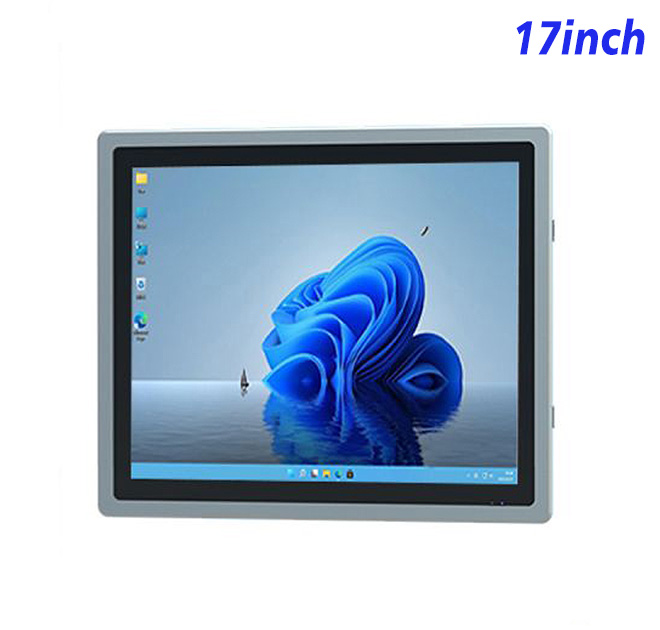
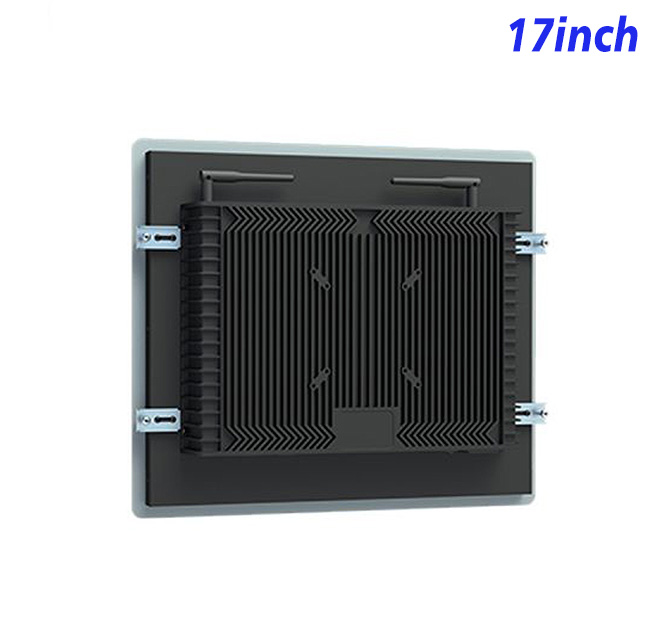
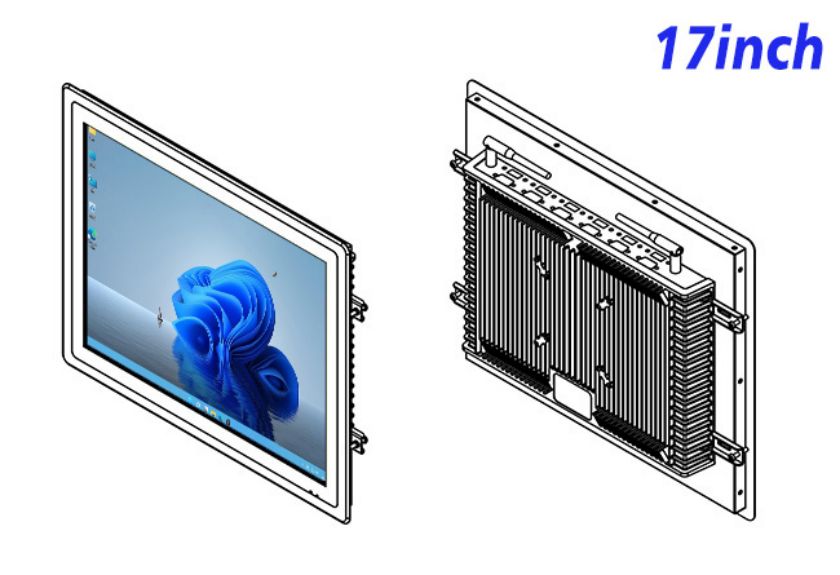
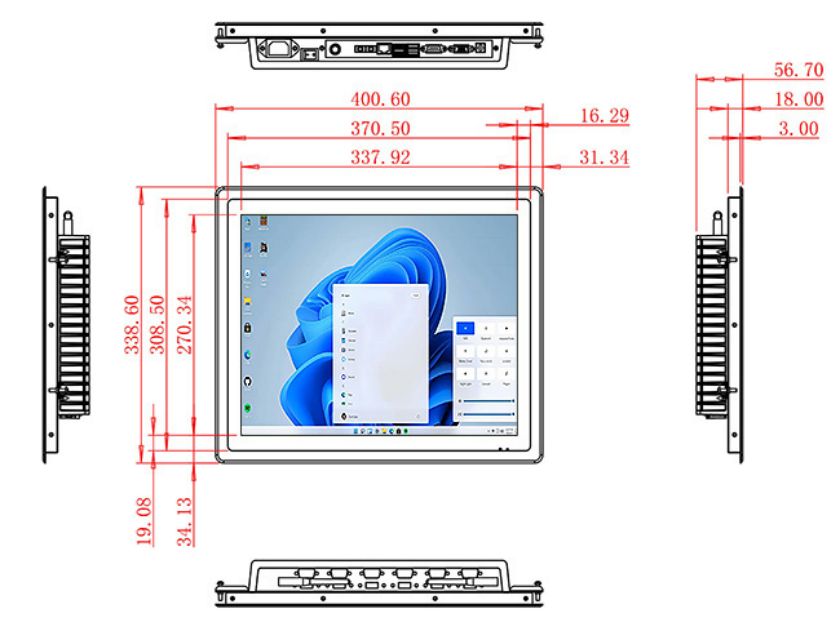
The Wall-mounted self-order kiosk is a 17-inch Windows display and computing platform that can be integrated into a Wall-mounted self-order kiosk or compact control point. Its existing specification lists 1280 × 1024 resolution and an active area of 337.92 × 270.34 mm. This relatively square format can suit menu categories, form-style selections and applications that benefit from more vertical space than a narrow widescreen display.
The product is not a complete restaurant system. Ordering software, POS integration, payment hardware, receipt printing and the wall enclosure must be confirmed separately. The final offer should clearly identify the supplied display, computer and touch options.
| Specifications of 17-Inch External Embedded Industrial All-in-One Computer | ||||
| LCD Panel Parameters | Screen Size | 17 Inch | ||
| Display Area | 337.92 mm.(Height) X 270.34(Width)mm. | |||
| Aspect Ratio | 16 : 9 | |||
| LCD Type | a-Si TFT-LCD Monitor | |||
| Maximum Resolution | 1280 X 1024 | |||
| Display Color | 16.7M , 72% NTSC | |||
| Brightness | 250cd/m² | |||
| Contrast Ratio | 1200 : 1 | |||
| Viewing Angle (Up/Down/Left/Right) | 89°/89°/89°/89° (Type)(CR≥10) | |||
| Response Time | 20ms | |||
| LCD Panel Lifespan (Hours) | 60,000(Hour.) | |||
| Field Frequency | 60Hertz | |||
| Audio parameters | Audio system | Stereo | ||
| Speaker size | ≈ 99 x 45 x 20 mm | |||
| Impedance | 8 Ohm | |||
| Power | 2 x 5 Watt | |||
| Loudness | > 80 Decibel | |||
| Interface | 4-pin connector | |||
| Internal computer configuration (Choose one of two) |
CPU | Intel i5-4310M Generation 4, Dual-Core Four Threads, Main frequency can reach up to 2.7GHz | Intel I5-6100T Generation 6, Dual-Core Four Threads, Main frequency can reach up to 3.2GHz | |
| Graphics Card | Integrated Graphics Card Intel® HD 4600 | Integrated Graphics Card Intel® HD 530 | ||
| RAM | 4GB | 8GB | ||
| Storage Memory Capacity | 128GB | 256GB | ||
| OS | Win10 or win11 Optional | Win10 or win11 Optional | ||
| Wi-Fi Built-in | Speed 150Mbps 802.11n wifi Integrated | Speed 150Mbps 802.11n wifi Integrated | ||
| Media Format | Video Format | wmv, avi, flv, rm, rmvb, mpeg, ts, mp4 etc. | ||
| Audio Format | MP3, WMA | |||
| Photo Format | BMP, JPEG, PNG, GIF etc. | |||
| Onboard Interface | Network port | RJ45 X 1, 10M/100M Adjustable Ethernet | ||
| HDMI | 1 | |||
| USB | 4 | |||
| Power | Power Supply | Alternating Current 100V~240V, 50/60Hz | ||
| Maximum Power Loss | ≤ 30 Watt | |||
| Standby Mode Power Loss | < 1 Watt | |||
| Features | Operating Temperature | 0℃ ~ 50℃ | ||
| Storage Temperature | Below 10℃ ~ +60℃ | |||
| Package Size | Device Dimensions | 400.6 X 338.6 X 56.7 mm. | ||
| Net Weight | 5.5 Kilogram | |||
| Package Size | 48 X 39 X 17 Centimeter | |||
| Gross Package Weight per Unit | 6 Kilogram | |||
Design the Menu for the 17-Inch Format
A Wall-mounted self-order kiosk should not reproduce a large digital menu board on a smaller interactive screen. The interface can present a limited number of categories, use clear product images and keep the basket accessible throughout the session. Options and modifiers should be grouped so customers understand what is required before proceeding.
The 1280 × 1024 layout needs to be tested with the actual software. Buttons must remain comfortable at the installed height, and the on-screen keyboard should not cover important fields. Multilingual content may require flexible button widths and careful text review.
Confirm Windows and POS Compatibility
The existing product information lists alternative Intel processor, memory and storage configurations. The restaurant software provider should state its Windows version, resource requirements and supported peripheral drivers. A web application has different needs from a locally installed POS client with media and offline data.
If card payment, QR scanning or receipt printing is required, those components should be selected for the target market and tested with the chosen software. The display platform alone does not provide payment certification. Network-loss behavior and order recovery should be included in the pilot.
Treat Wall Mounting as a Site-Specific Installation
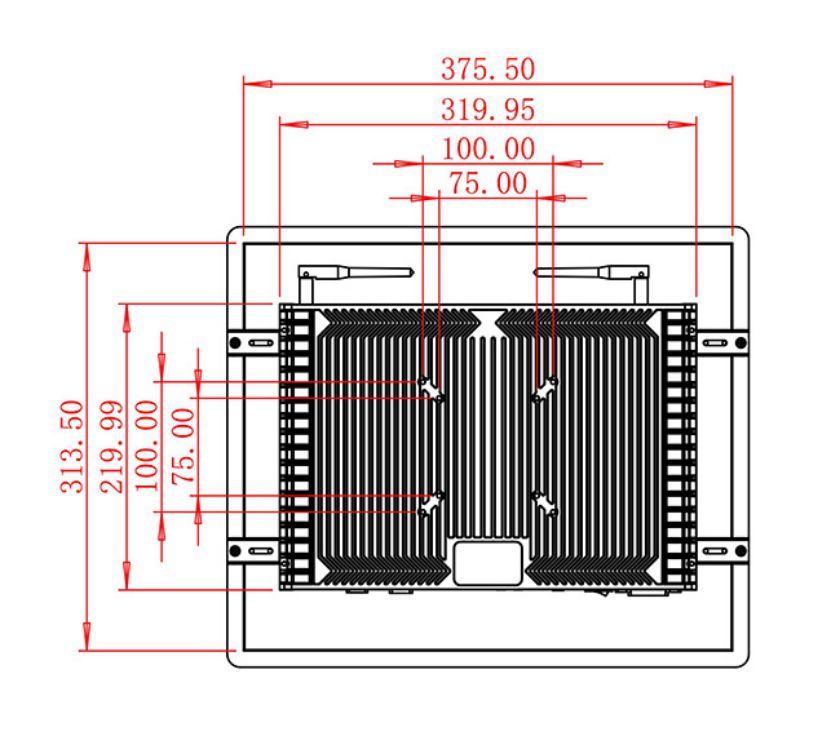
Wall construction, fixing method, cable routing, power access and network location must be surveyed before deployment. The unit should not obstruct circulation, and its height should accommodate the intended customer group. An installation drawing can show the screen centerline, enclosure depth and technician access.
Food-service cleaning routines also matter. The finished cabinet should avoid difficult gaps and protect electronics according to the real environment. Any required ingress or impact rating must be documented for the completed assembly.
Pilot the Full Ordering Journey
A pilot should include menu browsing, modifiers, basket review, payment handoff, cancellation and staff assistance. Operators can observe where customers pause and adjust the interface before a larger rollout. Technical teams can test startup, touch calibration, peripheral recovery and content updates.
Restaurant operations should participate in the review because menu changes, out-of-stock items and peak-hour queues affect the experience. The software needs a practical update process, while staff need a clear method for pausing the terminal or redirecting customers when a connected service is unavailable.
Procurement can use the pilot to estimate installation time, cleaning effort and support demand. For a chain rollout, standardized wall drawings, cable routes and commissioning tests reduce differences between branches. Spare equipment and a replacement procedure should be planned before the first high-traffic location goes live.
The approved restaurant team should own menu accuracy, while the technology provider remains responsible for application availability and device integration.
Send ZXT LCD the menu application requirements, wall-enclosure drawing, touch and interface list, site conditions and quantity. The team can review the Wall-mounted self-order kiosk as the Windows platform for a Wall-mounted self-order kiosk and prepare a quotation based on confirmed hardware. Restaurant technology integrators and equipment distributors can request a validation sample.
If you would like to get the specification about above product, or you hope to discuss your requirements or need any additional information on our this product , then please do not hesitate to send us a inquiry and contact our sales team now.