

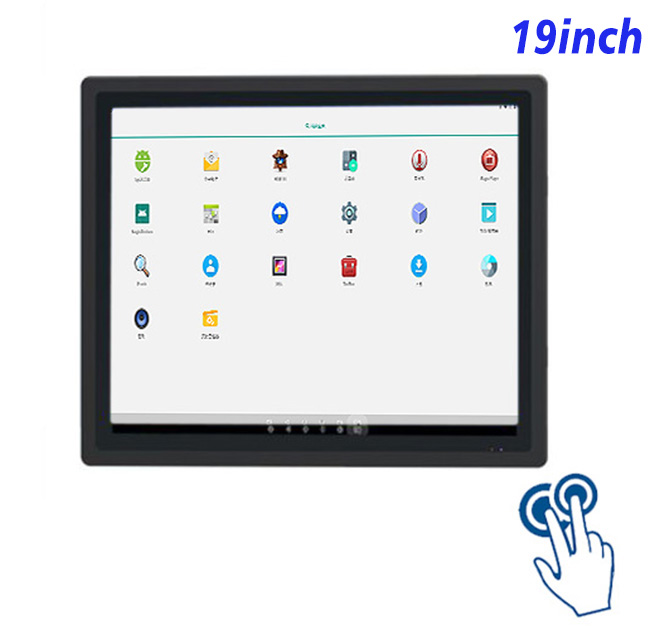
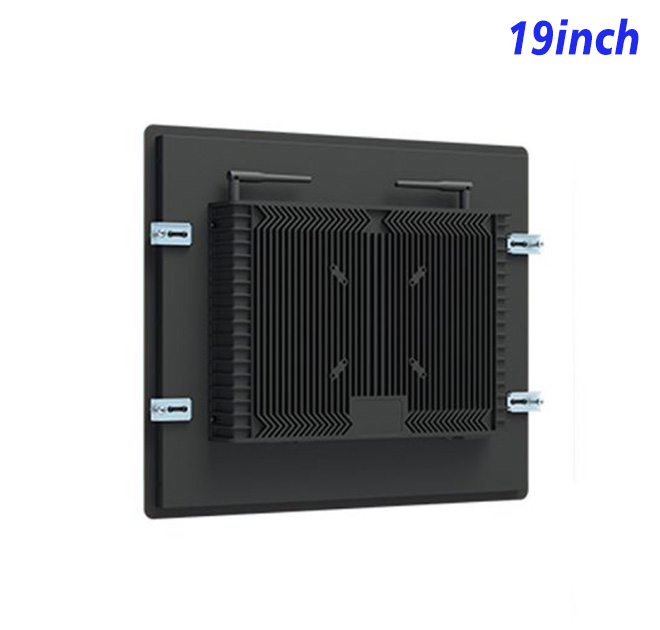
The Decision This Screen Helps People Make
A successful information kiosk page should begin with the work it supports. For environmental monitoring, the 19-inch format creates a defined interaction point instead of adding an unfocused screen to the site.
Facility teams can compare live readings, acknowledge non-critical alerts and open maintenance instructions near the monitoring point. A clear dashboard can separate current values, recent trends and sensor status without forcing operators to carry another device.
A Practical Interface Surface
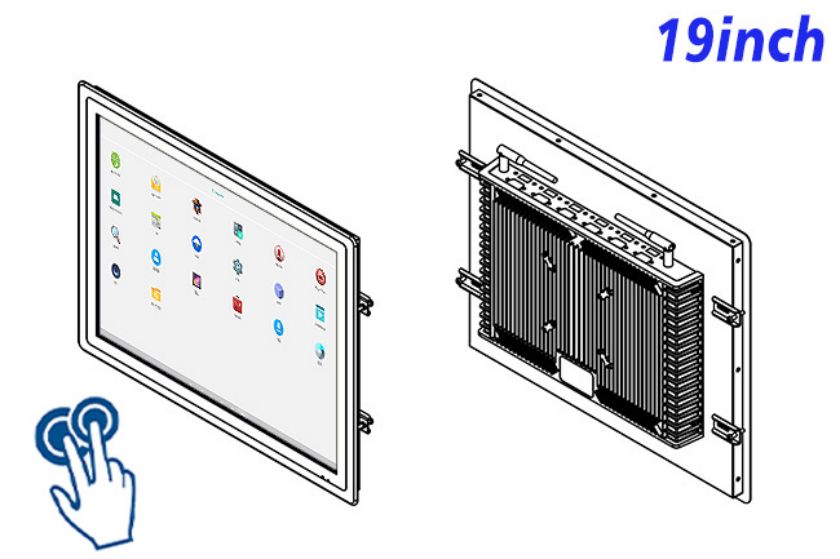
The original specification identifies a 19-inch projected-capacitive touch product with ten touch points, strengthened 3 mm cover glass and wide viewing angles. The embedded Android platform provides a compact base for a purpose-built application, subject to confirmation of processor, memory, storage and operating-system requirements.
Interface designers should use readable controls, clear back and confirmation actions, and visible recovery messages. Ethernet, Wi-Fi, HDMI or USB functions must be confirmed against the selected configuration and planned peripherals rather than assumed from a generic kiosk description.
Deployment Notes for Project Buyers
The original product has no specification table in its current page content. Environmental enclosure protection, sensor interfaces and data software must therefore be confirmed independently rather than inferred from marketing language.
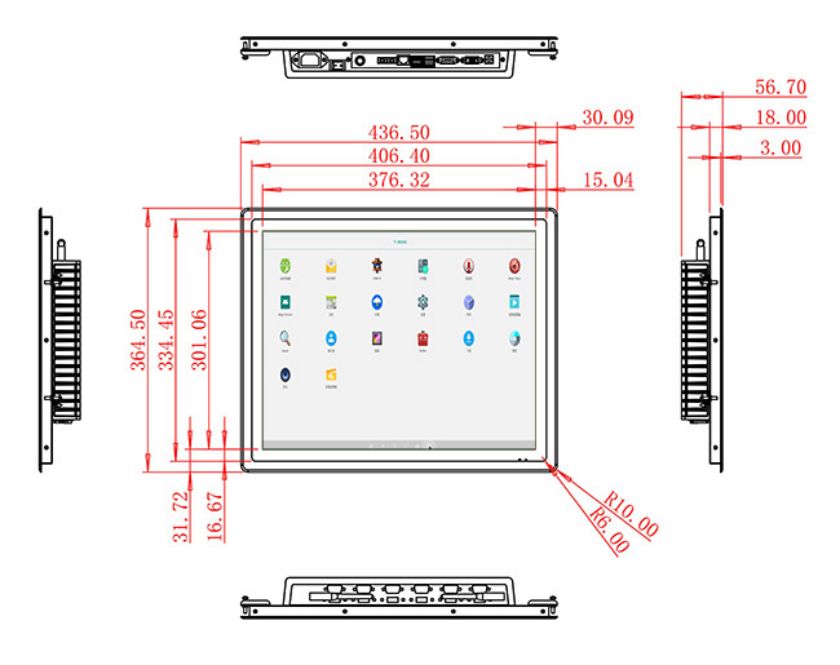
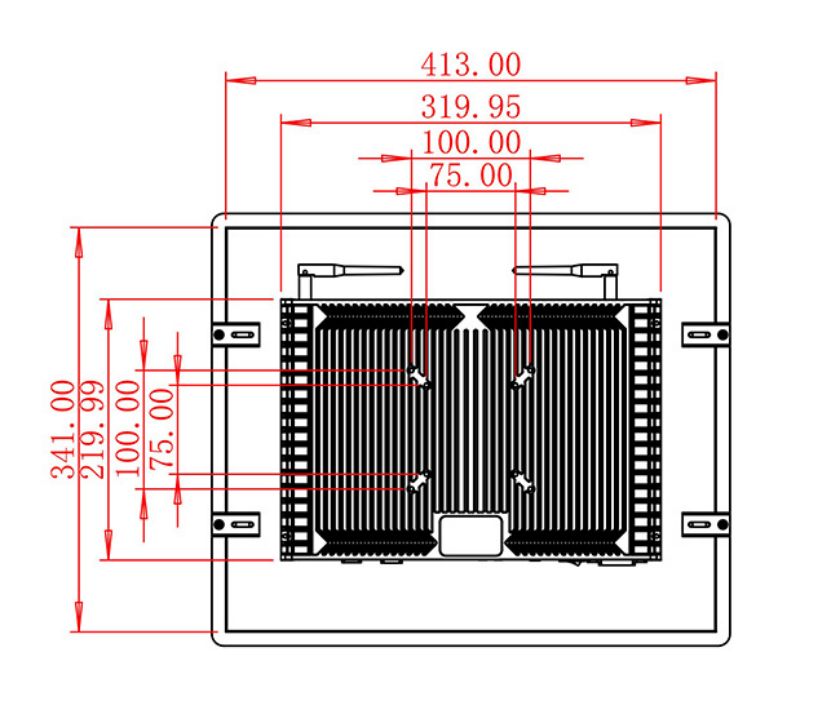
Mounting depth, ventilation, cable routing and service access should be reviewed before the cabinet is released. A pilot unit is useful for checking touch targets, screen glare, timeout behavior and the ability of staff to recover from an interrupted workflow.
ZXTLCD works with distributors and system integrators on project-specific hardware review. Buyers can share drawings, quantity, environment and peripheral requirements so the proposed information kiosk configuration reflects the actual installation.
A Deployment Checklist for the First Site
Before approval, record cabinet opening, mounting depth, cable path, power access, network method and peripheral responsibilities. Test the interface with the expected standing distance and language set. The pilot should also show whether staff can restart the application, identify a disconnected peripheral and reach service connections without dismantling the installation.
For volume orders, ZXTLCD can review configuration consistency, packaging, documentation and spare-unit planning with the buyer. Clear acceptance criteria help distributors compare delivered units with the approved sample.
Content and Workflow Need Equal Attention
Hardware cannot correct a confusing application. The opening page should make the available task obvious, while secondary information remains easy to reach without competing with the primary action. Buttons should be sized for the intended users, error messages should explain the next step, and confirmation screens should prevent accidental submission. If several languages are required, the translated interface should be tested rather than fitted into a layout designed only for English.
Network loss and peripheral failure also need visible responses. A frozen loading symbol creates support calls, while a clear offline notice can direct the user to another service route. Integrators should decide what data may be cached, how the application restarts and who receives an alert when the information kiosk cannot complete its assigned task.
Evaluating Total Project Value
Purchase price is only one part of an installed system. Cabinet fabrication, software licensing, integration, site labor, content updates and support all influence the commercial result. A deliberate pilot can reduce expensive changes after multiple enclosures have already been manufactured.
Project buyers should record the approved display, touch, computing and connector configuration alongside photographs and drawings. This creates a useful reference for incoming inspection, replacement requests and later expansion. It also helps ZXTLCD review whether a proposed change affects compatibility, lead time or service planning before the next order is confirmed.
Commercial Handover and Support
The finished project should include a clear ownership map for hardware, application, network and connected peripherals. Installers need the approved drawings, while support teams need configuration records and a simple fault-reporting path. These documents reduce delays when a site requests assistance and help future orders follow the version that was actually tested.
Request Product Information
If you would like to get the specification about above product, or you hope to discuss your requirements or need any additional information on our this product , then please do not hesitate to send us a inquiry and contact our sales team now.