

Reduce Confusion between Speaker and Collection Window
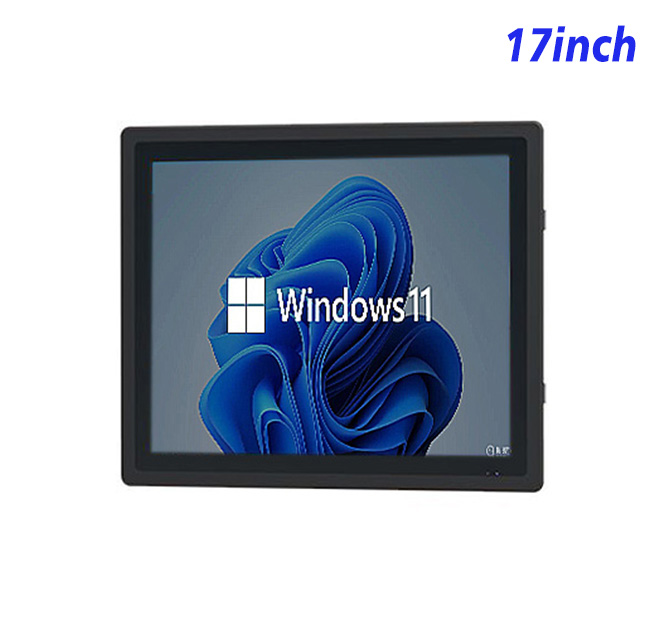
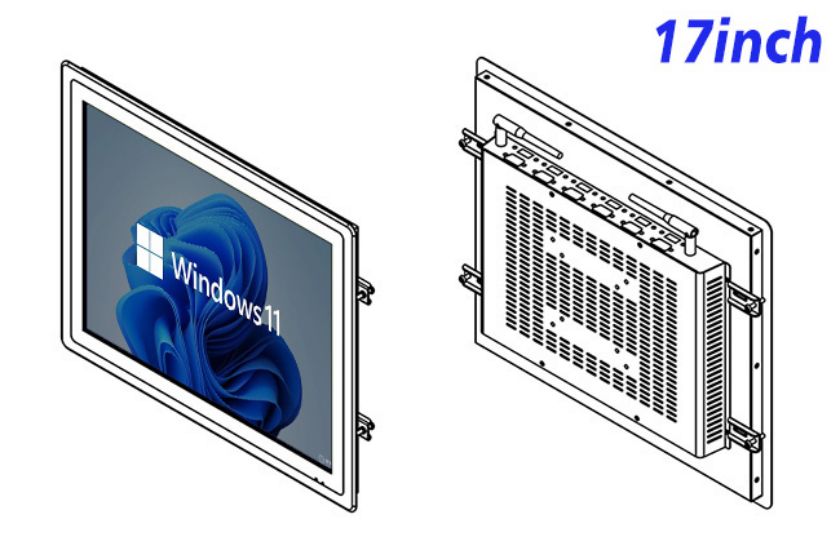
A ordering kiosk system creates value when it supports the exact moment an order is entered, clarified or handed to the next team. For drive-thru order review and lane coordination, this 17-inch embedded Windows unit places the application close to daily work without requiring a separate desktop computer.
A staff-facing station can display the current vehicle sequence, order changes and handoff status while headsets, payment devices and lane sensors remain separate subsystems. The vertical working area suits queues and exception lists, helping operators identify which order needs clarification before it reaches the collection window.
That operating angle should guide the page layout, mounting height and staff permissions. Buyers can map who starts the order, who confirms exceptions and who closes the handoff, then configure the screen around those decisions. This turns the hardware into a purposeful service station instead of another display that staff must work around.
A Display Shape for Queues rather than Advertising
The 17-inch LCD is specified at 1280 × 1024 resolution, 250 cd/m² brightness and 1200:1 contrast. The embedded computer can use one of the listed Intel processor options with 4 GB or 8 GB RAM and 128 GB or 256 GB storage. Windows 10 or Windows 11 is listed as optional. RJ45, HDMI and four USB connections support system integration, while maximum power consumption is listed at 30 W. The selected combination must be recorded with the approved sample.
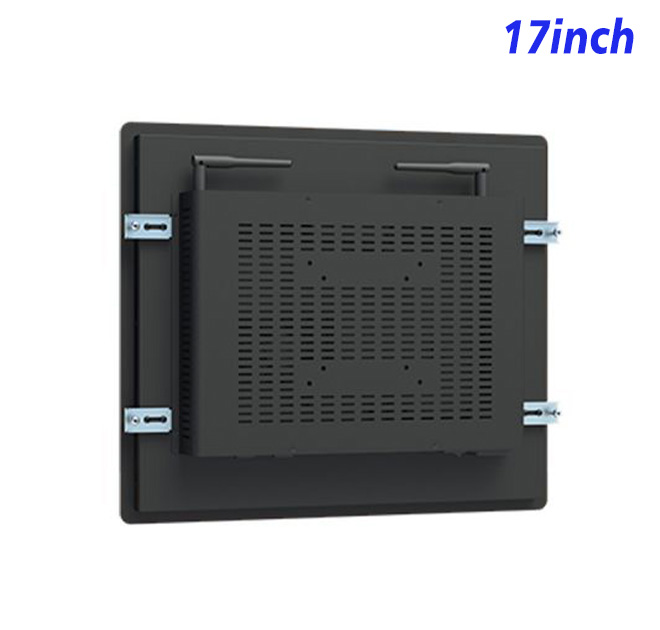
These specifications describe an indoor embedded platform, not a finished freestanding kiosk. Menu software, enclosure design, certified payment, customer data and connected peripherals remain project responsibilities.
| Specifications of Embedded Windows All-in-One Computer with 17-Inch Display | ||||
| LCD Panel Parameters | Screen Size | 17 Inch | ||
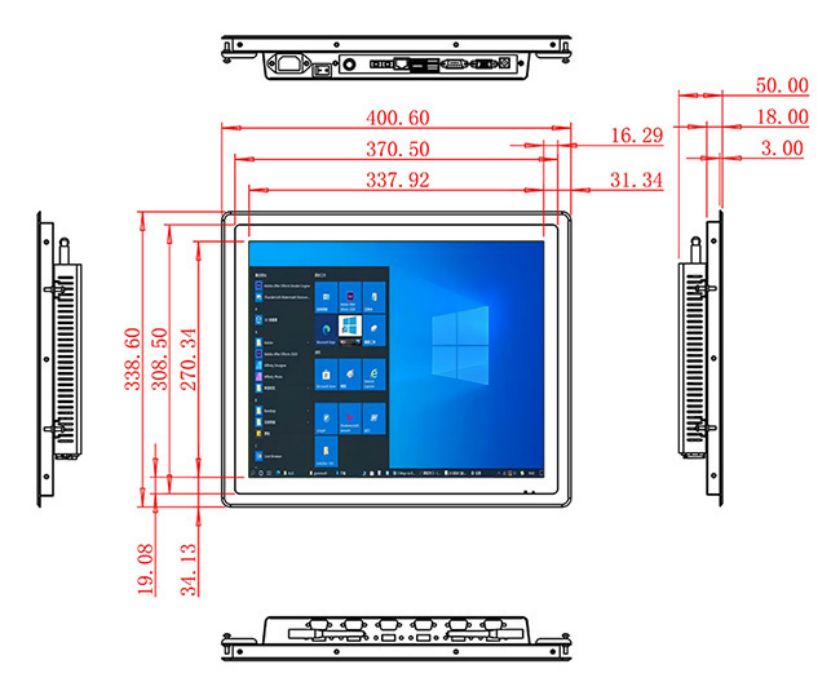
| Display Area | 337.92 mm.(Height) X 270.34(Width)mm. | |||
| Aspect Ratio | 16 : 9 | |||
| LCD Type | a-Si TFT-LCD Monitor | |||
| Maximum Resolution | 1280 X 1024 | |||
| Display Color | 16.7M , 72% NTSC | |||
| Brightness | 250cd/m² | |||
| Contrast Ratio | 1200 : 1 | |||
| Viewing Angle (Up/Down/Left/Right) | 89°/89°/89°/89° (Type)(CR≥10) | |||
| Response Time | 20ms | |||
| LCD Panel Lifespan (Hours) | 60,000(Hour.) | |||
| Field Frequency | 60Hertz | |||
| Audio parameters | Audio system | Stereo | ||
| Speaker size | ≈ 99 x 45 x 20 mm | |||
| Impedance | 8 Ohm | |||
| Power | 2 x 5 Watt | |||
| Loudness | > 80 Decibel | |||
| Interface | 4-pin connector | |||
| Internal computer configuration (Choose one of two) |
CPU | Intel i5-4310M Generation 4, Dual-Core Four Threads, Main frequency can reach up to 2.7GHz | Intel I5-6100T Generation 6, Dual-Core Four Threads, Main frequency can reach up to 3.2GHz | |
| Graphics Card | Integrated Graphics Card Intel® HD 4600 | Integrated Graphics Card Intel® HD 530 | ||
| RAM | 4GB | 8GB | ||
| Storage Memory Capacity | 128GB | 256GB | ||
| OS | Win10 or win11 Optional | Win10 or win11 Optional | ||
| Wi-Fi Built-in | Speed 150Mbps 802.11n wifi Integrated | Speed 150Mbps 802.11n wifi Integrated | ||
| Media Format | Video Format | wmv, avi, flv, rm, rmvb, mpeg, ts, mp4 etc. | ||
| Audio Format | MP3, WMA | |||
| Photo Format | BMP, JPEG, PNG, GIF etc. | |||
| Onboard Interface | Network port | RJ45 X 1, 10M/100M Adjustable Ethernet | ||
| HDMI | 1 | |||
| USB | 4 | |||
| Power | Power Supply | Alternating Current 100V~240V, 50/60Hz | ||
| Maximum Power Loss | ≤ 30 Watt | |||
| Standby Mode Power Loss | < 1 Watt | |||
| Features | Operating Temperature | 0℃ ~ 50℃ | ||
| Storage Temperature | Below 10℃ ~ +60℃ | |||
| Package Size | Device Dimensions | 400.6 X 338.6 X 50 mm. | ||
| Net Weight | 5.5 Kilogram | |||
| Package Size | 48 X 39 X 15 Centimeter | |||
| Gross Package Weight per Unit | 6 Kilogram | |||
Define Every Connection in the Lane Workflow
Windows Application Load
The software provider should define processor load, memory demand, storage growth, startup behavior and Windows update policy before hardware approval. A short menu application and a database-connected multi-location platform can place very different demands on the same display size.
Input and Audio Responsibilities
The panel is not specified as a direct-touch device or an exposed outdoor screen. It should be integrated in a protected staff position with a confirmed external input method. The intended operator, standing distance and workflow should be tested with the selected input hardware rather than inferred from the word kiosk.
Keep the Staff Station Serviceable
Protected Installation
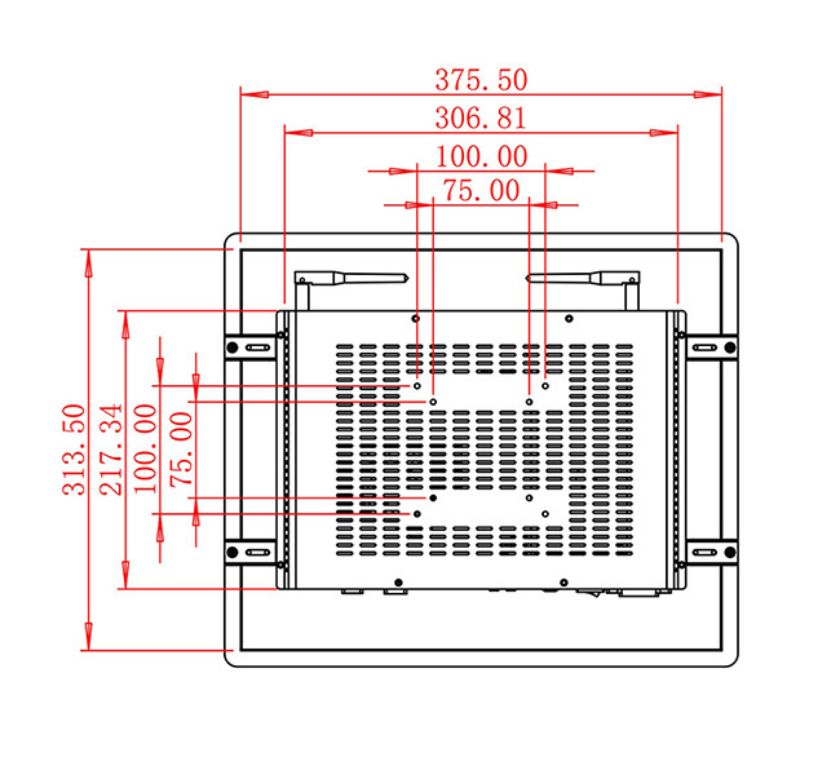
Cabinet drawings should identify the front opening, mounting points, rear clearance, ventilation, power connection, network route and cable strain relief. Printers, scanners and payment modules should remain serviceable without removing the Windows assembly.
The interface must also explain network loss, unavailable menu items and interrupted orders. Clear recovery messages help staff restore service instead of restarting equipment without understanding the cause.
Use Real Rush-Hour Orders in Acceptance Testing
The first ordering kiosk system installation should use realistic menus, modifiers, long product names and peak-period order volumes. Teams can measure entry time, corrections, abandoned steps and staff intervention before repeating the design.
Procurement records should identify the panel option, processor, RAM, storage, Windows version, connectors, input method and packing. This protects the approved result when a later order is placed under a shortened commercial name.
Support Documents for Multi-Lane Sites
ZXTLCD reviews application workload, drawings, quantity, installation environment and peripheral requirements before production. This project review gives distributors and restaurant-technology integrators a practical hardware reference while keeping software and complete-system responsibilities clear.
After handover, teams need the approved software image, wiring reference, administrator ownership and replacement process. Those records help the ordering kiosk system remain supportable when menus change, locations expand or the original installer is no longer on site.
Commercial approval should cover more than appearance. A signed configuration sheet, application test record and installation drawing give the buyer, software partner and hardware supplier the same reference. That shared baseline reduces ambiguity during production, commissioning and later replacement, especially when several restaurant locations are delivered on different schedules.
Request Product Information
If you would like to get the specification about above product, or you hope to discuss your requirements or need any additional information on our this product , then please do not hesitate to send us a inquiry and contact our sales team now.